
SkyWest Operated United Flight SKW6065 Diverts to Laramie Regional Airport Due to Severe Weather
SkyWest operated United Airlines Flight SKW6065 was forced to divert to Laramie Regional Airport on August 4, 2026, following severe convective weather and air traffic congestion near Denver.

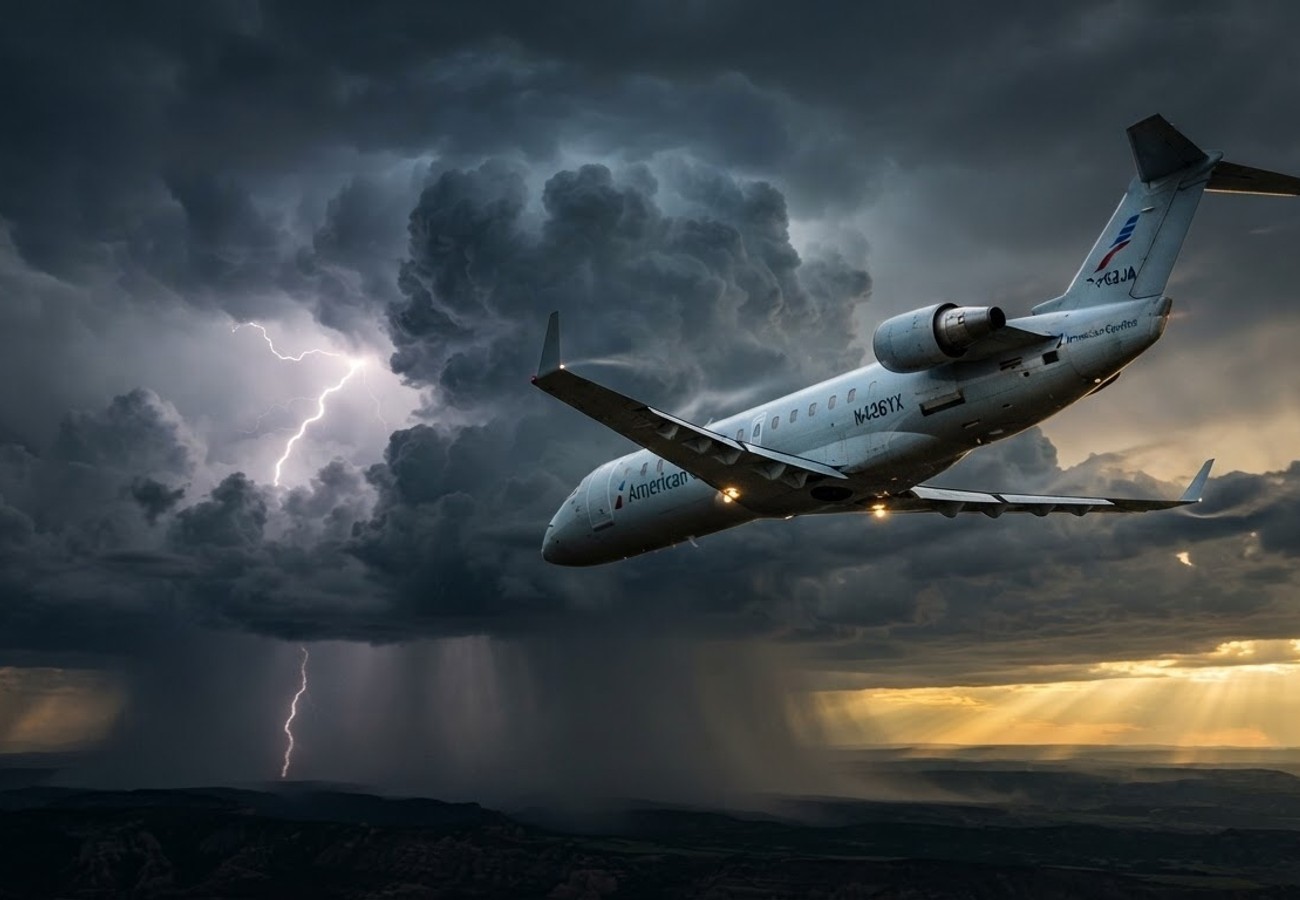
Image generated by AI
SkyWest operated United Airlines Flight SKW6065 diverted to Laramie Regional Airport at 15:40 EST today. The decision followed severe weather and air traffic congestion that blocked the path to the original destination.
The diversion occurred mid-flight after air traffic control (ATC) instructed the crew to avoid the planned arrival corridor. Operational updates confirm the aircraft landed safely at the alternative airfield, with all safety regulations strictly followed.
The diversion was triggered by severe convective atmospheric conditions and active holding patterns at the regional hub. Pilots and dispatchers determined that the weather near the primary destination would not clear in time to ensure a safe arrival. Atmospheric turbulence and heavy cloud cover made the original flight path untenable.
Flight crews monitored real-time weather radar and evaluated fuel endurance limits before coordinating with regional controllers. This proactive shift ensured the aircraft bypassed heavy storm cells and avoided risky extended holding patterns.
Operational Flight Data
| Field | Detail |
|---|---|
| Carrier / Flight | SkyWest / SKW6065 |
| Aircraft Type | Bombardier CRJ-200 Regional Jet |
| Planned Destination | Denver International Airport (DEN) |
| Actual Landing Facility | Laramie Regional Airport (LAR) |
| Operational Cause | Convective Weather Holds & Air Traffic Control |
Safety Protocols and Fuel Management
Aviation regulations mandate strict fuel reserves for regional carriers. When the crew of SKW6065 calculated their remaining fuel against the mandatory reserve margins, they determined that remaining in a holding pattern over the busy metropolitan hub was an unacceptable risk.
Laramie Regional Airport was selected as the alternate because it provided a reliable runway situated outside the main storm system. The transition from cruise altitude to the alternate approach was executed with precision, supported by local ground personnel who coordinated swift landing clearances.
Passenger Impact and Ground Logistics
Following the touchdown, ground support teams initiated standard passenger management. Travelers were held within the terminal area while coordinators assessed weather developments at the primary destination.
Before the flight could resume, the following mandatory steps were required:
- Mechanical inspections of the Bombardier CRJ-200.
- Refuelling of the aircraft.
- Verification of flight crew duty time limits to prevent fatigue-related violations.
- Filing of updated flight plans with aviation authorities.
A textbook execution of safety-first diversion protocols.
Related Travel Guides
Disclaimer
This article is for informational and educational purposes only. It does not constitute legal, financial, or professional advice. While we strive to provide accurate and up-to-date information, travel policies, regulations, and conditions change rapidly. Always verify information with official sources before making travel decisions. Nomad Lawyer makes no representations about the accuracy, reliability, completeness, or suitability of the information provided. Readers should consult qualified professionals for advice specific to their circumstances. The views expressed in this article are those of the author and do not necessarily reflect the views of Nomad Lawyer.
Preeti Gunjan
Contributor & Community Manager
A passionate traveller and community builder. Preeti helps grow the Nomad Lawyer community, fostering engagement and bringing the reader experience to life.
Learn more about our team →