West Coast Feeder Support: How Flight OO5626 Highlights SFO's Hub Capacity
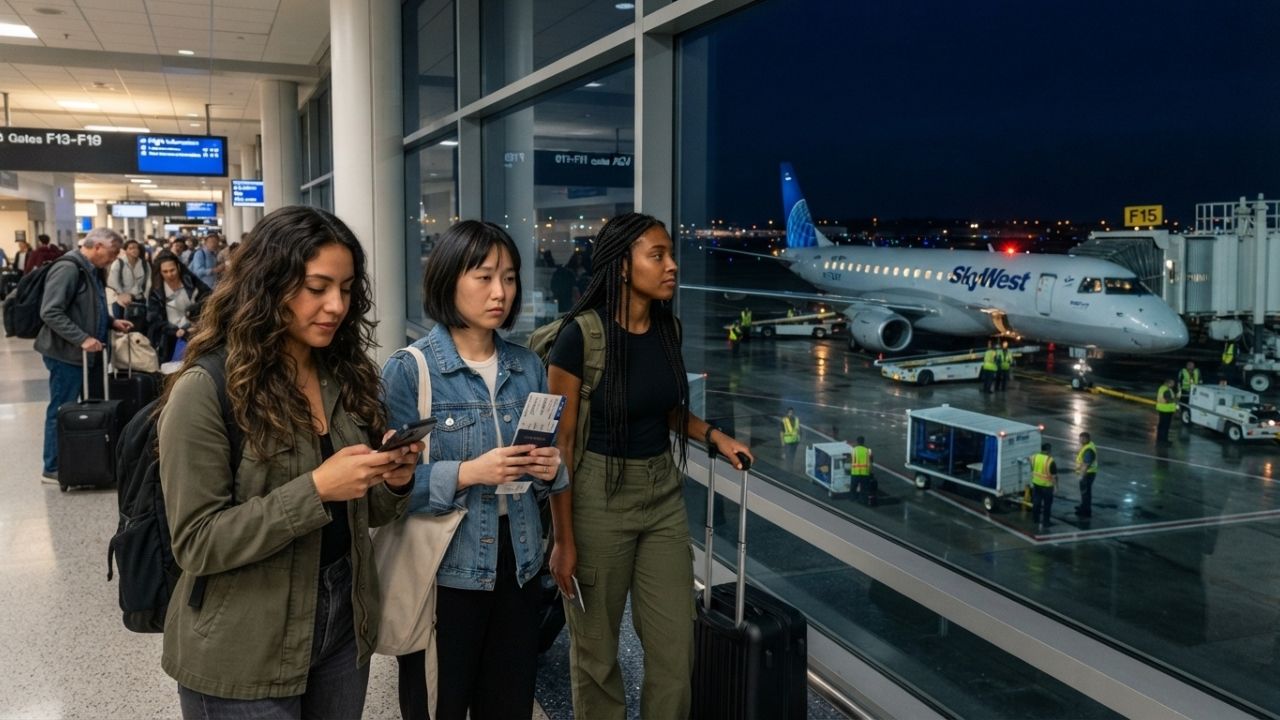
SkyWest Airlines Flight OO5626 from San Francisco to Arcata diverted back to SFO International Airport on August 4, 2026.

Image generated by AI
When SkyWest Airlines flight OO5626, an Embraer E75L traveling from San Francisco to Arcata on August 4, 2026, diverted back to San Francisco International Airport, it highlighted the operational reliance of regional coastal corridors on major aviation hubs. The safe landing of aircraft N604UX at 11:47 PM PDT—arriving approximately one hour and six minutes behind schedule—illustrates the safety protocols that manage Northern California regional flights.
Regional Aviation Logistics: The Flight Path of Flight OO5626
Short-haul regional flights form the foundation of domestic aviation networks in the western United States, connecting smaller municipal communities with major international transit gateways. On the evening of August 4, 2026, SkyWest Airlines flight OO5626, operating under the designator SKW5626, was scheduled to complete its routine regional connection from San Francisco International Airport (SFO) to Arcata-Eureka Airport (ACV) in Humboldt County. The Embraer E75L aircraft departed from Gate F8 at SFO at approximately 9:22 PM PDT, heading north toward the redwood coastal region of Northern California.
San Francisco International Airport, commonly referred to by its airport code SFO, serves as a primary international gateway and hub for United Airlines on the West Coast. Operating as a major gateway to the Pacific Rim and East Asia, SFO handles millions of passengers annually across its modern terminal facilities. The departure of flight OO5626 from Gate F8 on the night of August 4 commenced under routine conditions, with the aircraft taxiing out for departure in accordance with the airport's standard traffic control flow patterns.
The flight was operated by an Embraer E75L regional jet registered under the tail number N604UX. These seventy-six-seat aircraft are widely utilized across regional routes along the West Coast due to their ability to operate on shorter runways while offering cabin comforts similar to mainline jets. During the flight, the crew made the operational decision to turn the aircraft around and divert back to San Francisco. The aircraft completed a safe landing at SFO at approximately 11:47 PM PDT, arriving around one hour and six minutes behind its scheduled timeline.
Hub Infrastructure: Why San Francisco Serves as a Vital Regional Base
A flight return or diversion is a standard safety procedure designed to prioritize passenger welfare and operational reliability. Precautionary decisions to return to a departure airport can occur due to several factors, including technical inspections, weather shifts, or limited airfield capacity. In Northern California, returning to a major hub like San Francisco provides significant advantages compared to landing at a smaller regional field.
Arcata-Eureka Airport, located in Humboldt County, California, serves the local community with connections to major hubs. While ACV is equipped with modern passenger facilities, its maintenance resources are more limited compared to a mega-hub like San Francisco. When flight crews detect minor technical anomalies or operational changes, returning to a primary hub like SFO ensures that the aircraft can be serviced by specialized maintenance personnel who have access to a complete inventory of spare parts and diagnostic equipment.
San Francisco International Airport is one of the busiest hubs in the United States and serves as a major base for regional flight operations. The airport offers extensive maintenance facilities, passenger service desks, and replacement aircraft that are unavailable at smaller municipal fields. By selecting SFO as the alternate landing site, SkyWest was able to access necessary support teams and passenger resources quickly. This capability ensures that technical checks are conducted under optimal conditions, while passengers are provided with immediate rebooking assistance, meals, or accommodations.
Sustainable Operations and Local Community Integration
Modern aviation planning focuses on optimizing flight paths to reduce fuel burn and environmental impacts. According to guidelines from the Federal Aviation Administration (FAA), real-time trajectory modeling helps guide diverted flights along the most direct paths to alternate airports, reducing carbon emissions. Rerouting flight OO5626 directly back to San Francisco avoids the need to transport parts or specialized crews to a secondary station like Arcata, reducing overall ferry flights.
Sustainable aviation initiatives also extend to waste reduction and energy conservation programs on the ground. SFO has implemented energy-efficient building standards across its passenger terminals, including LED lighting upgrades and water conservation systems. By coordinating with regional environmental bodies, the airport aims to reduce its carbon footprint while supporting the growth of regional air travel.
On the ground, regional airports are implementing sustainable initiatives to reduce their carbon footprint. SFO Airport supports on-site solar energy installations and energy-efficient terminal upgrades. Travelers experiencing an unscheduled stop can support local communities by choosing to buy from independent merchants inside the terminal. The California Travel and Tourism Commission (Visit California) encourages visitors to explore local dining spots that source ingredients from regional farms. By purchasing food, beverages, and local items from vendors that partner with California agricultural producers, passengers help keep economic benefits within the host community, supporting local farming families and reducing the emissions associated with long-distance transport.
Northern California Visitor Guide: Airport Navigation and Cultural Heritage
For travelers transiting through San Francisco International Airport or navigating a regional connection in Humboldt County, the Humboldt County Convention and Visitors Bureau suggests focusing on local heritage and navigation:
- Optimal Booking Windows: To avoid the impact of coastal fog and afternoon runway congestion at SFO, travelers should select early morning departures when regional skies are generally clearer.
- Transit Etiquette: Keep your physical and digital boarding documents accessible. When experiencing an unscheduled return, check your airline's mobile application for real-time gate re-assignments and passenger service updates.
- Sample Regional Cuisine: Take advantage of your delay in San Francisco to sample local culinary specialties. Try a classic clam chowder in a sourdough bread bowl at SFO terminal cafes.
- Explore Humboldt County's Redwoods: If you reach your destination in Arcata, visit Redwood National and State Parks to walk among some of the tallest trees on Earth. The local tourism bureau highlights the rich environmental heritage of the region, emphasizing sustainable travel practices.
- Humboldt Fog Cheese: Sample this award-winning local goat cheese, produced in Humboldt County, which is a signature specialty of the region's agricultural heritage.
- Under-the-Radar Quiet Zones: At SFO, seek out the quieter seating areas located in Concourse F, which offer panoramic views of the runway and a quieter environment away from the central gates, or visit the SFO Museum exhibits located throughout the terminals.
- Off-Peak Transit Times: When booking regional connections, select mid-week travel dates to avoid the weekend rush, helping to ensure a more relaxed airport experience.
Long-Term Outlook for West Coast Regional Air Infrastructure
The safe management of flight OO5626's return to San Francisco demonstrates the resilience and high operational capacity of the regional aviation network on the West Coast. By utilizing major hubs to absorb disruptions, airlines can resolve operational issues quickly while protecting passenger safety. Continued investments in runway maintenance, airport security, and regional air traffic control systems will ensure that West Coast airports can support future passenger demand.
For passengers, understanding the roles of regional hubs and safety protocols builds trust in the domestic flight network. The coordination between SkyWest's flight crews, SFO ground operations, and air traffic control ensures that even when travel plans change, passenger safety remains the absolute priority. As regional connectivity continues to grow, these robust networks will remain essential to maintaining travel reliability and passenger confidence throughout the western United States.
Disclaimer
This article is for informational and educational purposes only. It does not constitute legal, financial, or professional advice. While we strive to provide accurate and up-to-date information, travel policies, regulations, and conditions change rapidly. Always verify information with official sources before making travel decisions. Nomad Lawyer makes no representations about the accuracy, reliability, completeness, or suitability of the information provided. Readers should consult qualified professionals for advice specific to their circumstances. The views expressed in this article are those of the author and do not necessarily reflect the views of Nomad Lawyer.