
Six Senses Beijing Opens Ultra-Luxury Wellness Retreat in Haidian District
Six Senses Beijing launches in Haidian District in 2026 as the brand's second Greater China property, bringing ultra-luxury wellness tourism to Beijing's historic imperial garden zone and repositioning the region beyond traditional academic and cultural institutions.

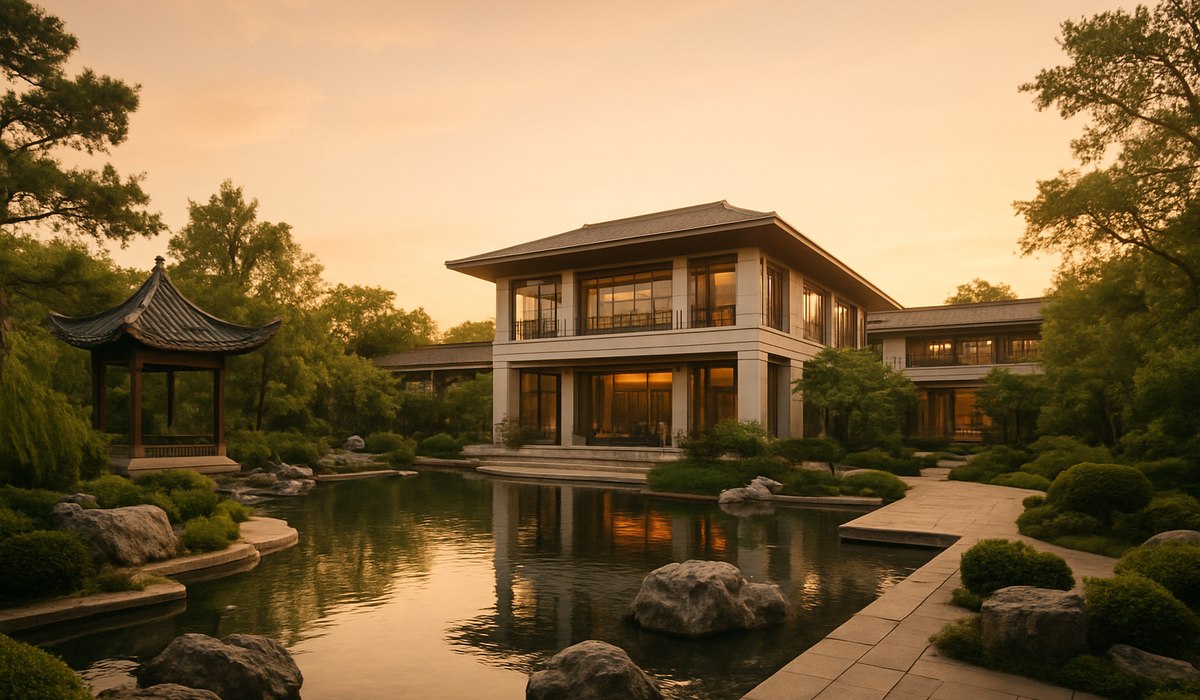
Image generated by AI
Six Senses Beijing Arrives in Haidian's Three Hills and Five Gardens Zone
Six Senses Beijing has officially launched in Beijing's Haidian District, marking the brand's second Greater China property and introducing a transformative ultra-luxury wellness destination to a region traditionally anchored by imperial gardens and research institutions. Located in the Liulangzhuang area within the UNESCO-recognized Three Hills and Five Gardens heritage cluster, the property redefines luxury hospitality in northwestern Beijing. This strategic opening signals a major shift in how travelers experience China's capital, moving beyond the crowded Forbidden City precinct toward a more serene, wellness-centered alternative that maintains proximity to world-class cultural attractions.
The arrival of Six Senses Beijing represents a deliberate repositioning of Haidian as a premier destination for discerning travelers seeking both cultural immersion and holistic wellness experiences. The property combines immersive health programming with contemporary design philosophy rooted in traditional Chinese courtyard architecture, creating an urban retreat that appeals to international guests and affluent domestic travelers alike.
Design Philosophy: Contemporary Luxury Meets Traditional Chinese Courtyard Architecture
Six Senses Beijing's architectural vision merges minimalist contemporary aesthetics with references to classical imperial garden design elements. The low-rise complex features landscaped courtyards, reflective water features, and carefully curated garden-inspired interiors that echo the sophisticated geometry of northern Chinese residential and palace architecture.
The design narrative emphasizes natural materials, abundant daylight, and panoramic views toward surrounding green spaces. Traditional motifs—latticework screens, stone pathways, and water imagery—appear throughout the property but are reinterpreted through a refined, modern lens. This approach creates distinct quiet zones and contemplative spaces that guests associate with restorative wellness travel.
The hotel's sustainability framework aligns with Six Senses' global commitment to low-impact operations. Beyond aesthetic considerations, the property integrates energy-efficient systems, locally sourced furnishings, and programming focused on sleep quality and personalized wellness journeys. Learn more about Six Senses' sustainability initiatives across its portfolio.
Rebalancing Beijing's High-End Tourism Beyond the Forbidden City
Beijing's hotel landscape has historically concentrated luxury development near Tiananmen Square, Wangfujing, and the central business district. This concentration creates overcrowding during peak seasons and limits traveler exposure to Beijing's diverse cultural offerings beyond the capital's most famous monument.
Six Senses Beijing addresses this imbalance by establishing a high-end anchor in Haidian, drawing international visitors toward the northwest garden belt. The location remains accessible via subway and expressway to central landmarks, yet positions guests within walking distance of the Summer Palace—a 5A-rated UNESCO World Heritage site featuring pavilions, temples, and lakeside walkways that rival the Forbidden City in historical significance.
The Old Summer Palace (Yuanmingyuan), known historically as the "Garden of Gardens," sits equally close to the property. Its reconstructed elements and evocative ruins offer visitors authentic encounters with Qing dynasty landscape design philosophy. Tourism authorities increasingly promote Haidian's concentrated cluster of imperial gardens, botanical reserves, and cultural institutions as an alternative to central Beijing's congestion. Six Senses Beijing's arrival validates this strategic positioning and encourages longer stays with higher per-visitor spending.
What Makes Haidian an Emerging Luxury Destination
Haidian District encompasses multiple reasons for luxury travelers to choose the northwest zone. Beyond the Summer Palace and Old Summer Palace, the region includes the China National Botanical Garden—a 2,400-acre preserve spanning multiple climate zones—and the renowned Fragrant Hills Park, famous for autumn foliage and seasonal cherry blossoms.
The district also hosts world-class museums, university cultural centers, and research institutions that appeal to intellectually curious travelers. This unique combination of natural beauty, historical preservation, and contemporary cultural programming creates a distinct identity separate from Beijing's downtown tourist infrastructure.
Transportation connectivity has improved significantly, with metro lines now providing direct access to Haidian's attractions while maintaining easy connections to Tiananmen Square and the airport. This accessibility, combined with lower density than central Beijing, positions Haidian as an increasingly attractive base for extended stays. International travelers planning multi-week itineraries around China often integrate Beijing's imperial sites with visits to nearby regions; staying in Haidian reduces travel friction while providing daily excursion flexibility.
Six Senses Beijing's Wellness and Culinary Offerings
The property integrates signature Six Senses wellness programming designed for both short city breaks and extended restorative stays. Spa facilities feature locally inspired treatments, mindful movement spaces, and personalized wellness journeys aligned with Traditional Chinese Medicine principles and contemporary holistic health practices.
Food and beverage concepts emphasize seasonal ingredients sourced from regional suppliers, with menus balancing classical Chinese flavors against international cuisine expectations. This approach reflects broader demand among affluent Chinese travelers for health-conscious, transparent dining experiences that prioritize ingredient provenance and nutritional awareness.
Six Senses Beijing's hospitality model prioritizes personalized service pathways where guests design their wellness experience—whether focusing on sleep optimization, stress reduction, or preventative health protocols. The brand's commitment to environmental responsibility ensures that guest comfort never compromises operational sustainability. For detailed information about wellness programming, visit Six Senses' official website.
Key Data Table: Six Senses Beijing at a Glance
| Feature | Details |
|---|---|
| Location | Liulangzhuang, Haidian District, northwestern Beijing |
| Heritage Zone | Three Hills and Five Gardens (UNESCO-recognized cultural cluster) |
| Brand Status | Six Senses' second Greater China property |
| Nearby Attractions | Summer Palace (5km), Old Summer Palace (4km), China National Botanical Garden |
| Design Approach | Contemporary luxury with traditional Chinese courtyard architecture |
| Primary Market | International luxury travelers, affluent domestic Chinese guests |
| Wellness Focus | Spa, holistic treatments, sleep optimization, personalized health journeys |
| Sustainability | Low-impact operations, energy efficiency, locally sourced materials |
| Transportation | Metro accessibility, expressway connections to central Beijing, airport |
| District Character | Mix of imperial gardens, research institutions, cultural venues |
What This Means for Travelers
Six Senses Beijing's opening creates meaningful advantages for luxury travelers visiting China's capital:
-
Location Flexibility: Guests now have a world-class ultra-luxury option outside congested downtown areas, reducing noise, crowds, and travel friction while maintaining central Beijing access.
-
Wellness Integration: Rather than treating wellness as an add-on amenity, Six Senses Beijing positions holistic health as the core hospitality experience, appealing to travelers increasingly prioritizing preventative wellness over traditional resort amenities.
-
Cultural Immersion with Comfort: The location enables deeper engagement with imperial garden landscapes, seasonal botanical experiences, and museum-quality cultural programming—all within a luxury resort framework that supports extended stays.
-
Alternative Tourism Economics: By distributing visitor spending across Haidian's broader ecosystem of gardens, restaurants, and cultural venues, travelers contribute to more balanced economic development beyond central Beijing's overtaxed infrastructure.
-
Personalized Itineraries: Access to multiple garden zones within short distances allows guests to design daily excursions based on seasonal interests—cherry blossoms in spring, foliage in autumn, or architectural study visits year-round.
-
Extended Stay Viability: Haidian's concentration of attractions combined with ultra-luxury accommodation quality makes two-week Beijing stays feasible, encouraging deeper cultural understanding than typical three-to-four-day city visits.
FAQ
**What is Six Senses Beijing's location within Haidian District?
Disclaimer
This article is for informational and educational purposes only. It does not constitute legal, financial, or professional advice. While we strive to provide accurate and up-to-date information, travel policies, regulations, and conditions change rapidly. Always verify information with official sources before making travel decisions. Nomad Lawyer makes no representations about the accuracy, reliability, completeness, or suitability of the information provided. Readers should consult qualified professionals for advice specific to their circumstances. The views expressed in this article are those of the author and do not necessarily reflect the views of Nomad Lawyer.
Preeti Gunjan
Contributor & Community Manager
A passionate traveller and community builder. Preeti helps grow the Nomad Lawyer community, fostering engagement and bringing the reader experience to life.
Learn more about our team →