
Singapore's Tourism Explosion: 16.9M Visitors, Record S$23.9B Revenue
Singapore dominates Asian tourism with record 16.9 million visitors and S$23.9 billion in receipts through September 2025, fueled by integrated resorts and strategic infrastructure investments.

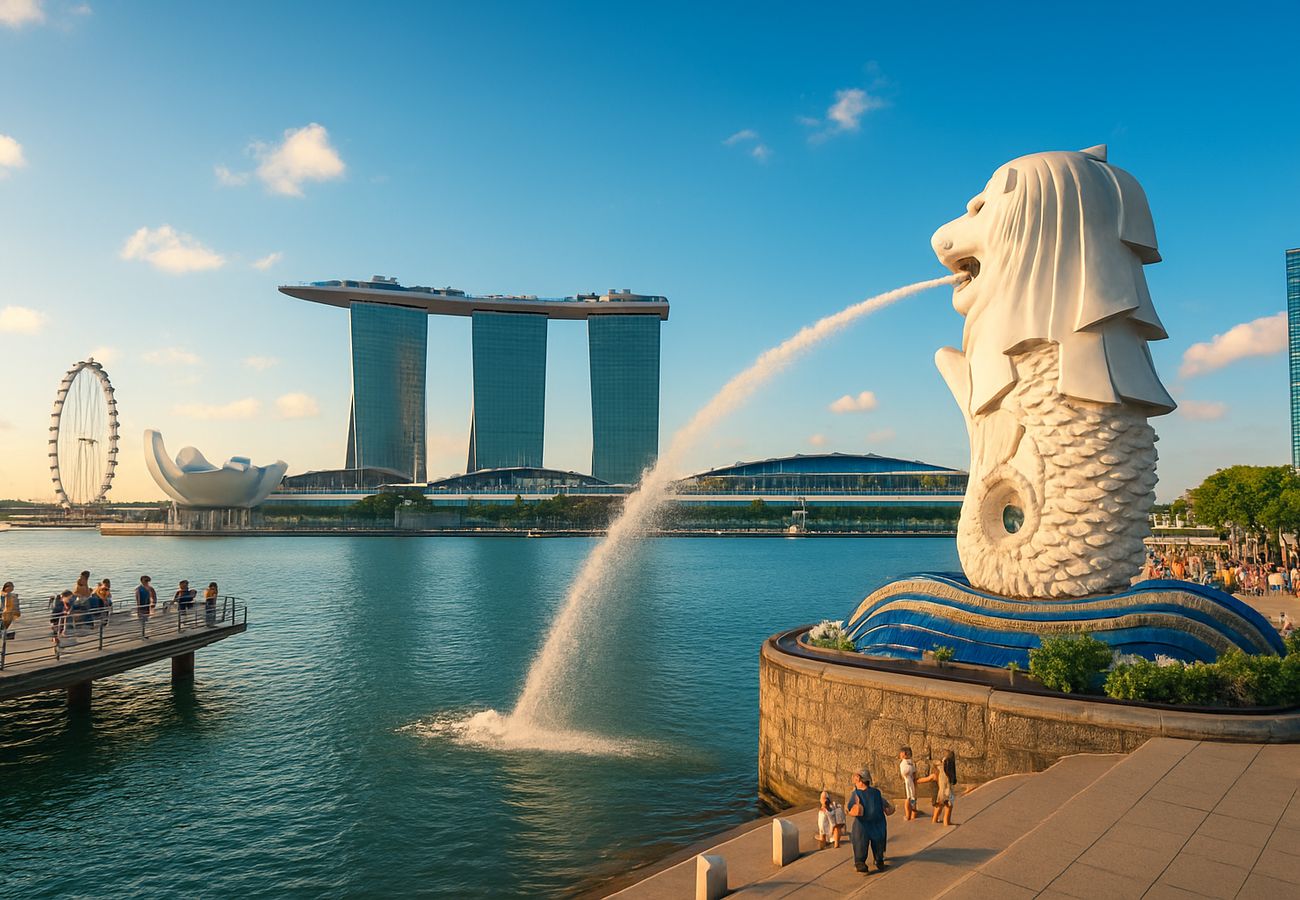
Image generated by AI
Singapore Becomes Asia's Tourism Powerhouse With Record-Breaking Numbers
Singapore has dramatically surpassed regional competitors, cementing its position as Asia's premier travel destination. From January through September 2025, the city-state welcomed 16.9 million international visitors—a striking 2.3% increase from the prior year. Tourism receipts hit a staggering S$23.9 billion, representing a 6.5% surge that sets a new historical benchmark.
What makes this achievement remarkable isn't just the volume—it's the strategic calculation behind it. Every visitor statistic reflects years of deliberate infrastructure planning, capital deployment, and hospitality refinement.
The Financial Reality Behind Tourism Success
The numbers tell a compelling story of economic muscle. S$23.9 billion in tourism revenue doesn't emerge from casual travel trends; it emerges from comprehensive destination engineering.
Breaking down the spending patterns reveals where visitor money concentrates: entertainment, attractions, dining, and retail dominate expenditure categories. Visitors spend aggressively because Singapore's infrastructure eliminates friction points. There's no wasted time navigating confusing transit systems or searching for quality dining. The city delivers frictionless tourism experiences.
Reddit: "Singapore is the only major Asian city where I didn't feel stressed navigating transport or finding decent food. Everything just works." — r/AsiaTravel
Top source markets include China, Indonesia, Malaysia, Australia, and India—a diverse demographic spread that demonstrates Singapore's cross-cultural appeal. This diversity matters legally and operationally; visa policies, accessibility standards, and cultural programming must accommodate multiple markets simultaneously.
The Integrated Resort Model: Singapore's Competitive Weapon
Marina Bay Sands and Resorts World Sentosa function as more than hotels—they're ecosystem hubs that generate visitor density and extended spending patterns.
These complexes bundle luxury accommodations, entertainment venues, shopping districts, and convention facilities under single management. A business traveler can arrive Monday, conduct meetings, attend evening entertainment, and explore dining without leaving the property. Leisure travelers similarly consolidate activities, increasing per-capita expenditure.
The cruise sector expansion amplifies this effect. Singapore's expanded cruise terminals position the city as Southeast Asia's primary cruise hub. International vessels deposit thousands of day-trippers who spend on dining, retail, and attractions before re-boarding. This model extends visitor stays indirectly while capturing cruise-adjacent spending.
Infrastructure Excellence: The Unglamorous Foundation of Tourism Growth
Tourism growth correlates directly with transport connectivity. Singapore ranks globally among elite nations for transport infrastructure quality.
Changi Airport operates as a world-class international hub, repeatedly recognized for efficiency and service standards. The facility handles arrivals and departures with mechanical precision—customs clearance, baggage handling, ground transportation connections function seamlessly. This matters because airport experience shapes initial destination perception. Poor airport experiences seed negative reviews; excellent experiences create immediate positive impressions that generate spending momentum.
The port infrastructure handles millions of containers annually while simultaneously managing tourism logistics. This dual-function capacity supports both trade and leisure operations without operational conflicts.
Public transit networks provide comprehensive city access. Visitors navigate cultural districts, recreational precincts, and shopping zones through efficient road networks and extensive transit coverage. Accessibility drives spending; inaccessible attractions generate zero revenue.
Government Strategy: Tourism 2040 and the S$740 Million Commitment
Singapore's government doesn't leave tourism to market forces. The Tourism 2040 strategy allocates S$740 million over five years for infrastructure expansion and facility upgrades.
Investment priorities reveal strategic thinking: new convention hubs, enhanced cruise facilities, and entertainment venues maintain competitive positioning in global tourism markets. Critically, sustainable tourism receives dedicated funding—eco-friendly facilities and environmentally certified hotels align growth with ecological stewardship.
This isn't altruism; it's long-term economic rationality. Environmental degradation damages destination appeal. Building sustainable tourism infrastructure today preserves revenue-generating capacity for decades.
Cultural Programming: Keeping Repeat Visitors Engaged
Singapore distinguishes itself through deliberate cultural and lifestyle experiences combining heritage sites with contemporary attractions.
New immersive exhibitions and themed recreational activities maintain engagement for both first-time and repeat visitors. First-time visitors experience cultural novelty; repeat visitors discover fresh programming that justifies return trips. This programming strategy directly supports the 17-18 million visitor projection for 2026.
Programming diversity also expands spending categories. Immersive experiences command premium pricing. Themed activities create photo opportunities driving social media sharing—free marketing that attracts additional visitors through earned media channels.
Employment and Community Economic Impact
Tourism growth translates directly into employment expansion. The hospitality, service, and retail sectors absorb workforce growth while creating entrepreneurship opportunities.
Increased visitor arrivals fund infrastructure investments that benefit resident populations independently of tourism considerations. Better public transit, cleaner precincts, and improved amenities serve both tourists and local communities.
This symbiotic relationship matters politically and economically. Tourism development becomes community development rather than extractive tourism that benefits only corporations and government entities.
Forward Projections: 2026 and Beyond
Singapore projects 17-18 million international visitors for 2026, with tourism receipts anticipated between S$31.0 and S$32.5 billion.
These projections reflect conservative confidence rather than speculative optimism. Strategic infrastructure investments underway will mature in 2026, supporting increased visitor volume while maintaining service quality.
The Tourism 2040 plan ensures long-term competitive positioning in an evolving global tourism market. Singapore recognizes that tourism destinations compete continuously; stagnant destinations lose market share to emerging competitors.
Why Singapore Wins Against Regional Competitors
Destination competitiveness emerges from integrated strategic execution combining infrastructure, policy alignment, and business coordination. Singapore excels across all three dimensions simultaneously.
Regional competitors often excel in single categories—natural beauty, cultural authenticity, budget accommodation pricing. Singapore competes across all categories through comprehensive infrastructure and service standards. Visitors don't choose Singapore for lowest prices or pristine beaches; they choose Singapore for reliability, accessibility, and quality experiences delivered consistently.
This positioning commands premium pricing and attracts demographically desirable visitors with higher spending capacity.
Singapore doesn't compete on charm—it competes on execution, and execution wins.
Related Travel Guides
London Underground Poetry Milestone: 40 Years of Literary Commutes
Disclaimer
This article is for informational and educational purposes only. It does not constitute legal, financial, or professional advice. While we strive to provide accurate and up-to-date information, travel policies, regulations, and conditions change rapidly. Always verify information with official sources before making travel decisions. Nomad Lawyer makes no representations about the accuracy, reliability, completeness, or suitability of the information provided. Readers should consult qualified professionals for advice specific to their circumstances. The views expressed in this article are those of the author and do not necessarily reflect the views of Nomad Lawyer.
Kunal K Choudhary
Co-Founder & Contributor
A passionate traveller and tech enthusiast. Kunal contributes to the vision and growth of Nomad Lawyer, bringing fresh perspectives and driving the community forward.
Learn more about our team →