
Singapore Airlines Ultra-Long-Haul A350 Routes Redefine Aviation
Singapore Airlines expands its ultra-long-haul Airbus A350-900ULR route network, connecting San Francisco, Los Angeles, New York, and Newark non-stop.

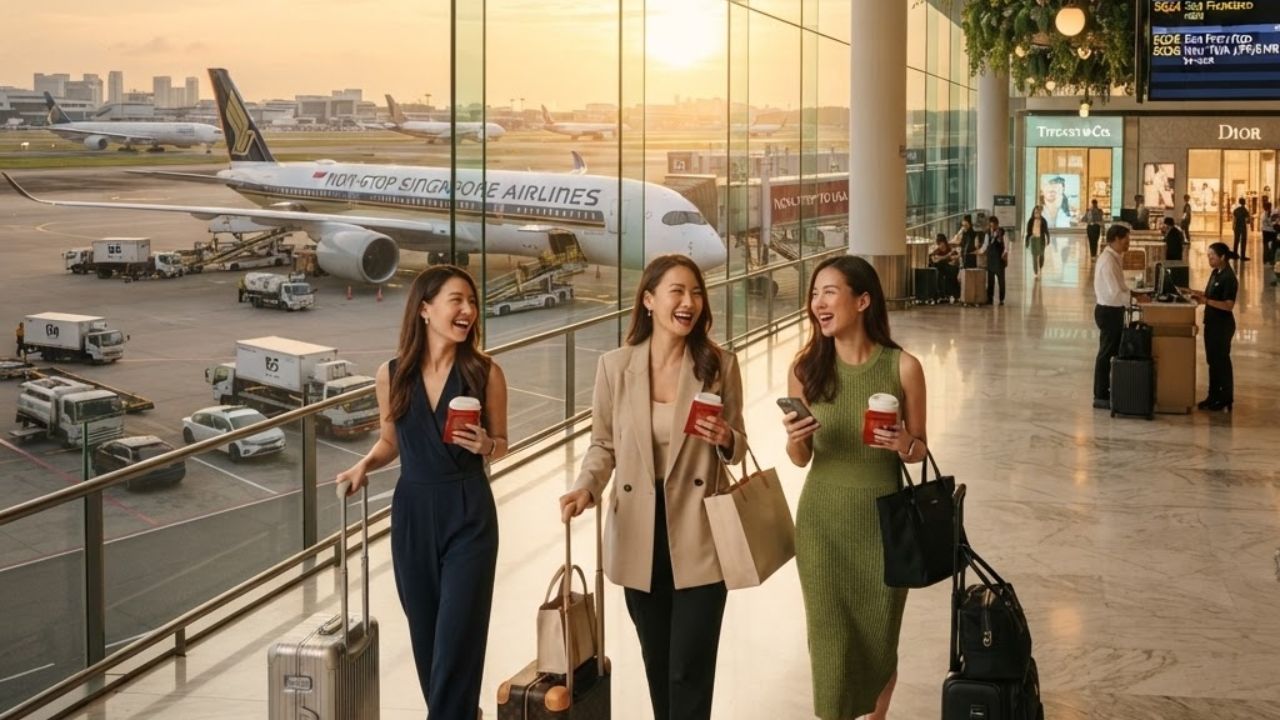
Image generated by AI
Singapore, July 28, 2026 — Aviation route disclosures confirm that Singapore Airlines is expanding its ultra-long-haul flight networks, utilizing custom-designed twin-engine widebodies to run daily nonstop flights to key North American cities.
Singapore, July 28, 2026 — A nonstop flight path spanning over fifteen thousand kilometers connects Singapore Changi directly with the United States east coast in a single eighteen-hour journey. This extensive Singapore Airlines Airbus A350 routes expansion is redefining long-distance aviation by bypassing traditional stopover airports. Operating customized ultra-long-range aircraft, the carrier connects major technology and financial hubs across continents daily.
Singapore Airlines Develops Premium Transit Networks Across the Pacific
The demand for nonstop connectivity between major financial and technology centers has driven significant modifications in long-haul airline scheduling. Singapore Airlines has established itself as a primary operator in this premium market by deploying specialized twin-engine aircraft on transpacific routes. By linking Southeast Asia directly with North America, the carrier bypasses intermediate refueling stops, providing travelers with significant time savings.
These flight operations align with a broader shift in customer preferences toward direct routing. Both business travelers and premium leisure passengers prefer to avoid the delays and transfer complexities associated with connecting flights. As a result, route planners have prioritized slot allocations at major US gateways, building a schedule that supports daily departures to key destinations.
Industry analysts note that maintaining these long routes requires high operational efficiency and careful management of airline resources. The coordination of flight crews, catering services, and aircraft maintenance must be managed tightly to support the utilization rates required for these operations. The continued expansion of this network demonstrates the carrier's commitment to premium long-range connectivity.
Evaluating the Airbus A350-900ULR Ultra-Long-Haul Routes
To outline the operational scope of the carrier's long-range network, the table below summarizes the key routes operated by these widebody jets:
Confirmed Nonstop Transpacific Flight Operations
| Route | Cities Connected | Primary Airports | Operating Aircraft | Approximate Route Distance | Average Flight Duration | Scheduled Frequency | Primary Strategic Value |
|---|---|---|---|---|---|---|---|
| Singapore – San Francisco | Singapore ↔ San Francisco | Singapore Changi (SIN) ↔ San Francisco (SFO) | Airbus A350-900 / A350-900ULR | ~13,600 km | 14.5 – 17.5 Hours | Daily Service | Links Southeast Asia with the Silicon Valley technology hub |
| Singapore – Newark | Singapore ↔ Newark | Singapore Changi (SIN) ↔ Newark Liberty (EWR) | Airbus A350-900ULR | ~15,300 km | ~18 Hours | Daily Service | Ranks as one of the longest commercial flights globally |
| Singapore – New York JFK | Singapore ↔ New York City | Singapore Changi (SIN) ↔ John F. Kennedy (JFK) | Airbus A350-900ULR | ~15,300 km | 17 – 18 Hours | Regular Service | Provides direct access to the East Coast financial center |
| Singapore – Los Angeles | Singapore ↔ Los Angeles | Singapore Changi (SIN) ↔ Los Angeles (LAX) | Airbus A350-900ULR | ~14,100 km | ~17 Hours | Regular Service | Connects Southeast Asia with the US West Coast business hub |
Analyzing Cities and Market Coverage for San Francisco Flights
The strategic parameters of the nonstop link between California and Southeast Asia are detailed in the table below:
San Francisco to Singapore Route Parameters
| Operational Category | Route Profile Details |
|---|---|
| Operating Carrier | Singapore Airlines |
| Route Corridor | San Francisco (SFO) – Singapore (SIN) |
| Primary Hub Gateways | San Francisco International Airport and Singapore Changi Airport |
| Deployed Aircraft Family | Airbus A350-900 and Airbus A350-900ULR variants |
| Launch Date | Nonstop service introduced in October 2016 |
| Route Status | Active strategic ultra-long-haul route |
| Target Passenger Segments | Corporate technology travelers, premium tourism, education, family visits |
| Key Connecting Feeder Markets (via SIN) | Southeast Asia, India, Australia, New Zealand, Asia-Pacific destinations |
| Key Connecting Feeder Markets (via SFO) | Domestic US cities and broader North American destinations |
Geographic Reach of Singapore Airlines Passenger Feeder Routes
The carrier's transpacific routes function as critical feeder networks, funneling passengers through key hubs to secondary destinations:
Network Feeder Reach and Connectivity Benefits
| Hub Connection Region | Destinations Covered via Singapore Hub | Key Passenger and Business Benefits |
|---|---|---|
| United States Gateways | San Francisco, Los Angeles, New York, Newark | Connects Singapore directly with major US financial and technology hubs |
| Southeast Asia Feeder | Singapore Changi Hub Connections | Links passengers to Bangkok, Jakarta, Kuala Lumpur, Manila, and Vietnam |
| South Asia Corridor | India and surrounding regional markets | Deploys onward capacity to support growing corporate and family travel demand |
| Oceania Route Network | Connections through Singapore to Australia and New Zealand | Enables smooth transit options between North America and Oceania |
Airbus Modifies Fuel and Cabin Configurations for Ultra-Long-Range Fleets
To enable continuous operations lasting over eighteen hours, aircraft manufacturers have introduced specific modifications to standard widebody airframes. The table below details the technical design features of these long-range jets:
Airbus A350-900ULR Aircraft Design Specifications
| Design Feature | Technical Specifications | Primary Operational Purpose |
|---|---|---|
| Aircraft Model | Airbus A350-900ULR | Custom-engineered ultra-long-range commercial widebody |
| Primary Airframe Builder | Airbus | Global commercial aerospace manufacturer |
| Design Maximum Range | Approximately 18,000 km | Enables nonstop flights between distant city pairs |
| Maximum Flight Duration | More than 20 Hours nonstop | Provides range safety margins for adverse weather routing |
| Fuel System Enhancements | Modified fuel piping with increased storage capacity | Maximizes fuel capacity without requiring secondary tanks |
| Cabin Layout Strategy | Premium two-class configuration | Aligns cabin capacity with weight and balance limits |
| Typical Seating Profile | Dedicated Business Class and Premium Economy Class | Caters to premium-segment business and leisure travelers |
| Core Flight Purpose | Nonstop transpacific and transatlantic operations | Eliminates intermediate refueling stops to reduce transit time |
Why the San Francisco Route Strengthens Technology and Corporate Transit
The nonstop connection between Northern California and Singapore has become a critical corridor for global commerce. The table below outlines the primary economic factors that drive this route's performance:
Strategic Impact Factors of the SFO-SIN Route
| Strategic Impact Factor | Operational and Commercial Impact |
|---|---|
| Technology Sector Links | Links Singapore with Silicon Valley, supporting corporate travel for technology firms |
| Corporate Travel Support | Provides efficient schedules for business executives traveling between Asia and the US West Coast |
| Tourism Sector Growth | Increases direct access for international vacationers visiting national parks and regional capitals |
| Transit Connectivity | Leverages Changi Airport's hub structure to distribute traffic across Asia and Oceania |
| Premium Cabin Demand | Generates high yields by targeting corporate travelers willing to pay for lie-flat seats |
Airbus A350-900ULR Jets Enable Nonstop Commercial Operations
The foundation of the carrier's long-range schedule is the Airbus A350-900ULR, a modified variant of the popular A350 family. This aircraft combines lightweight composite materials, advanced wing aerodynamics, and fuel-efficient engines to make extremely long routes commercially viable. The ULR version features a modified fuel system that increases fuel capacity to support flight times exceeding twenty hours.
Powering these operations are Rolls-Royce Trent XWB engines, which deliver high reliability and low fuel burn. The efficiency of these powerplants is critical for managing operating costs on routes where fuel represents the largest expense. By reducing fuel burn, the carrier minimizes its environmental footprint while maintaining favorable route economics.
Passenger comfort is also built into the aircraft's design. The A350 features a wider cabin body, higher ceilings, and larger windows compared to older widebodies. The cabin air circulation system is designed to refresh the air every two to three minutes, maintaining a lower cabin altitude pressure that helps reduce physical fatigue during long flights.
Singapore Changi Airport Coordinates Transit Traffic for Regional Markets
A critical component of the carrier's network strategy is its primary hub at Singapore Changi Airport. The facility is recognized globally for its high operational efficiency, quick baggage transfer systems, and extensive passenger services. Changi functions as a gateway, allowing travelers arriving from the US to connect to onward destinations across Asia and Oceania.
The coordination between the airline and airport authorities ensures that connection windows are kept short, reducing total travel times. Changi's terminal infrastructure is designed to handle high volumes of transit traffic, featuring automated passenger transport systems and premium lounges to support long-haul travelers.
For the regional travel market, this hub efficiency makes Singapore an attractive option for journeys between North America and secondary cities in Southeast Asia or India. The strength of Changi's network ensures that the carrier's nonstop US flights are fed by consistent passenger flows from across the region.
What Passengers Receive from Premium Long-Distance Cabins
Because these flights operate for up to eighteen hours, the onboard experience is customized to support passenger comfort. The carrier has configured its ULR aircraft with a premium-focused layout, omitting standard economy seating entirely.
Key passenger services on these ultra-long-haul flights include:
- Two-Class Premium Layout: The cabin features only Business Class and Premium Economy Class seats, providing all travelers with extra legroom and space.
- Fully Flat Business Beds: Business class cabins offer seats that convert into fully flat beds, ensuring that travelers can rest comfortably during overnight flights.
- Specialized Dining Services: Menus are designed to support digestion and hydration during long flights, with meals served at intervals that match the destination's time zone.
- Extended Entertainment Selections: The inflight entertainment system features hundreds of movies, television shows, and audio options, helping passengers pass the time.
Actionable Steps for Booking Nonstop Transpacific Journeys
For travelers planning to book flights between the United States and Southeast Asia, choosing nonstop routes requires early planning. Because these flights are highly popular with corporate travelers, securing seat assignments in advance is recommended, particularly if you are traveling during peak summer or winter holiday periods.
Travelers should also review the flight schedules to align their departure times with their arrival preferences. For example, departing from San Francisco in the evening allows you to sleep during the flight and arrive in Singapore in the early morning, helping to minimize jet lag. Using the airline's online check-in tools helps speed up your transition through the airport terminal.
Finally, passengers should plan their loyalty mileage accumulation before booking. Both Singapore Airlines and its partner airlines offer mileage credit for these long flights, which can represent significant value. Verifying that your frequent flyer number is linked to your booking ensures that you receive credit for the thousands of miles flown.
From a Logistical Standpoint: How Wind Patterns Realign Flight Paths
From a logistical standpoint, operating flights of this length requires careful planning of crew rest schedules, flight path wind patterns, and fuel reserves. Flight dispatchers must analyze real-time meteorological data to select the most efficient route, which can vary daily depending on the jet stream. On some days, taking a longer geographic route that utilizes favorable tailwinds can save time and fuel compared to a shorter route facing headwinds.
Additionally, flight crews must manage crew duty limits. ULR flights carry multiple pilots and cabin crew members, allowing team members to rotate into dedicated rest berths during the flight. This rotation ensures that the operating crew remains alert and refreshed for the critical landing phase.
For the traveler, this operational focus means that the flight path shown on your screen may differ from the geographic route you expect. These adjustments are made to maximize safety and efficiency, ensuring that the aircraft reaches its destination with appropriate fuel reserves. Understanding the logistics behind these flights helps travelers appreciate the planning involved in modern transpacific travel.
FAQ: Singapore Airlines Airbus A350 Ultra-Long-Haul Network 2026
Q1: Which US cities are connected to Singapore via nonstop A350-900ULR flights?
A1: The nonstop network connects Singapore Changi with San Francisco (SFO), Los Angeles (LAX), New York (JFK), and Newark (EWR).
Q2: What is the typical flight time for the Singapore to Newark flight?
A2: The flight duration is approximately 18 hours, covering a distance of around 15,300 kilometers, making it one of the longest commercial routes in the world.
Q3: Are there standard economy seats on the Airbus A350-900ULR aircraft?
A3: No, Singapore Airlines configures its A350-900ULR aircraft in a premium two-class layout consisting only of Business Class and Premium Economy Class.
Related Travel Guides
- Aircraft Tyre Technology Advancements Drive Global Aviation Safety
- Fresno Yosemite Airport Passenger Surge Prompts Parking Upgrade
- Global Commercial Flight Record Achieved with 153,359 Flights
Meta Description: Singapore Airlines Airbus A350 routes expansion connects Singapore Changi (SIN) non-stop with San Francisco, Los Angeles, JFK, and Newark daily.
Disclaimer
This article is for informational and educational purposes only. It does not constitute legal, financial, or professional advice. While we strive to provide accurate and up-to-date information, travel policies, regulations, and conditions change rapidly. Always verify information with official sources before making travel decisions. Nomad Lawyer makes no representations about the accuracy, reliability, completeness, or suitability of the information provided. Readers should consult qualified professionals for advice specific to their circumstances. The views expressed in this article are those of the author and do not necessarily reflect the views of Nomad Lawyer.
Kunal K Choudhary
Co-Founder & Contributor
A passionate traveller and tech enthusiast. Kunal contributes to the vision and growth of Nomad Lawyer, bringing fresh perspectives and driving the community forward.
Learn more about our team →