
Singapore Airlines Retires A380 Services on Strategic Long-Haul Route, Signals Fleet Modernization Shift
Breaking airline news and aviation industry updates for 2026.

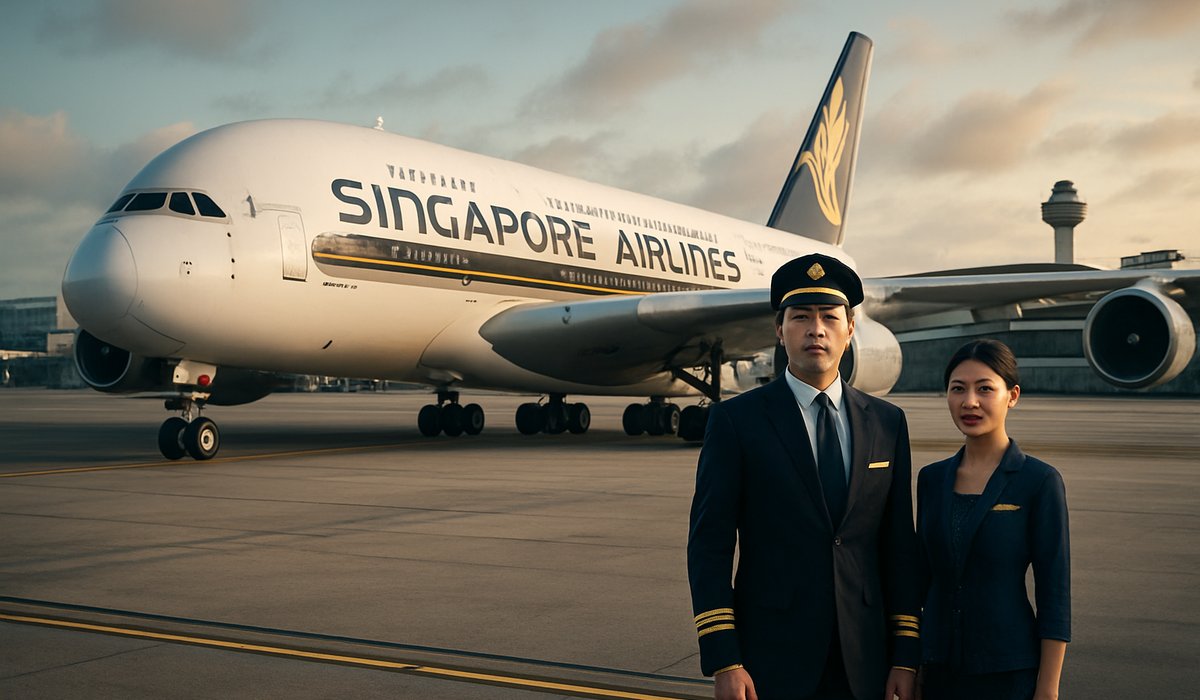
Image generated by AI
Singapore Airlines Retires A380 Services on Strategic Long-Haul Route, Signals Fleet Modernization Shift
The carrier's decision to phase out its superjumbo operations on a key international corridor reflects broader industry trends toward fuel-efficient aircraft and evolving passenger demand
Major Operational Restructuring Underway
Singapore Airlines has announced the withdrawal of its Airbus A380 superjumbo fleet from a significant long-haul international route, marking a pivotal shift in the carrier's fleet deployment strategy. The decision, filed through industry scheduling databases Cirium Diio and OAG, underscores a fundamental realignment in how global carriers are optimizing their aircraft utilization amid persistent operational pressures.
Fleet Modernization Accelerates Across Asia-Pacific
The removal of the double-deck widebody aircraft from this high-capacity corridor reflects Singapore Airlines' broader commitment to operational efficiency and route profitability optimization. The A380, which typically carries 500+ passengers, has increasingly become a casualty of modern airline economics—particularly as carriers reassess fuel consumption, maintenance costs, and cabin configuration flexibility in response to volatile jet fuel prices and shifting travel patterns.
Industry observers note that this transition aligns with sector-wide movements toward smaller, more efficient twin-aisle aircraft such as the Boeing 787 Dreamliner and Airbus A350, which offer superior fuel economy and lower operating costs per seat-mile. These technological advantages have become critical as airlines navigate post-pandemic capacity adjustments and demand volatility.
Scheduling Changes Reflect Broader Trends
The aircraft substitution comes as major carriers worldwide continuously evaluate route profitability, passenger load factors, and network efficiency. Weekly schedule revisions filed with global aviation databases reveal patterns of fleet redeployment, frequency adjustments, and market exits as operators respond to competitive pressures and economic headwinds.
Singapore Airlines' decision to reallocate its A380 capacity suggests strategic repositioning toward markets where the superjumbo's premium seating configurations and brand prestige command pricing power—or complete retirement from routes where smaller aircraft prove more commercially viable.
Industry Context
The broader aviation sector continues grappling with structural cost challenges. Rising jet fuel costs, labor expenses, and airport fees have compounded margin compression across carriers. Simultaneously, airlines face pressure to modernize aging fleets while managing substantial capital expenditures and debt levels accumulated during the pandemic recovery period.
For passengers, such fleet restructuring often translates to altered cabin experiences and revised service offerings on affected routes, though airlines typically maintain frequency through alternative aircraft deployments to preserve market share and connectivity.
FAQ: Airline Fleet Changes and Aviation Industry Impacts
Q: Why are airlines retiring the Airbus A380? A: The superjumbo's high fuel consumption, maintenance costs, and operational complexity make it less economical than modern twin-aisle aircraft like the Boeing 787 and Airbus A350, particularly on routes where load factors don't justify 500+ seat capacity.
Q: How do aircraft swaps affect airline baggage fees and passenger costs? A: Switching to smaller aircraft may increase airline fees to maintain revenue, as carriers recoup reduced passenger capacity. However, more efficient aircraft can lower operational costs, potentially offsetting some fee increases.
Q: What impact do jet fuel prices have on airline route planning? A: Volatile fuel costs directly influence route profitability calculations. Higher fuel prices accelerate retirements of gas-guzzling aircraft and incentivize deployment of fuel-efficient models, affecting which routes remain viable.
Q: How do schedule changes impact frequent flyers? A: Aircraft substitutions may alter frequent flyer awards availability, frequent flyer credit card benefits, and cabin experience consistency, though airline loyalty programs typically maintain reciprocal value.
Q: Are A380s being retired completely or redeployed? A: Most airlines are gradually phasing out A380s through retirement or selective redeployment to premium routes where first-class premium pricing justifies the aircraft's high costs.
Related Travel Guides
Flight Delay Compensation Guide 2026
Understanding Airline Route Changes
Airport Security Process Updated (2026)
External Resources
Disclaimer
This article is for informational and educational purposes only. It does not constitute legal, financial, or professional advice. While we strive to provide accurate and up-to-date information, travel policies, regulations, and conditions change rapidly. Always verify information with official sources before making travel decisions. Nomad Lawyer makes no representations about the accuracy, reliability, completeness, or suitability of the information provided. Readers should consult qualified professionals for advice specific to their circumstances. The views expressed in this article are those of the author and do not necessarily reflect the views of Nomad Lawyer.
Raushan Kumar
Founder & Lead Developer
Full-stack developer with 11+ years of experience and a passionate traveller. Raushan built Nomad Lawyer from the ground up with a vision to create the best travel and law experience on the web.
Learn more about our team →