
Seoul Inbound Tourism Breaks Records in Seven-Month 2026 Surge
Seoul's inbound tourism experiences a massive surge in the first half of 2026, recording 10.71 million foreign visitors and 10 trillion won in card spending.
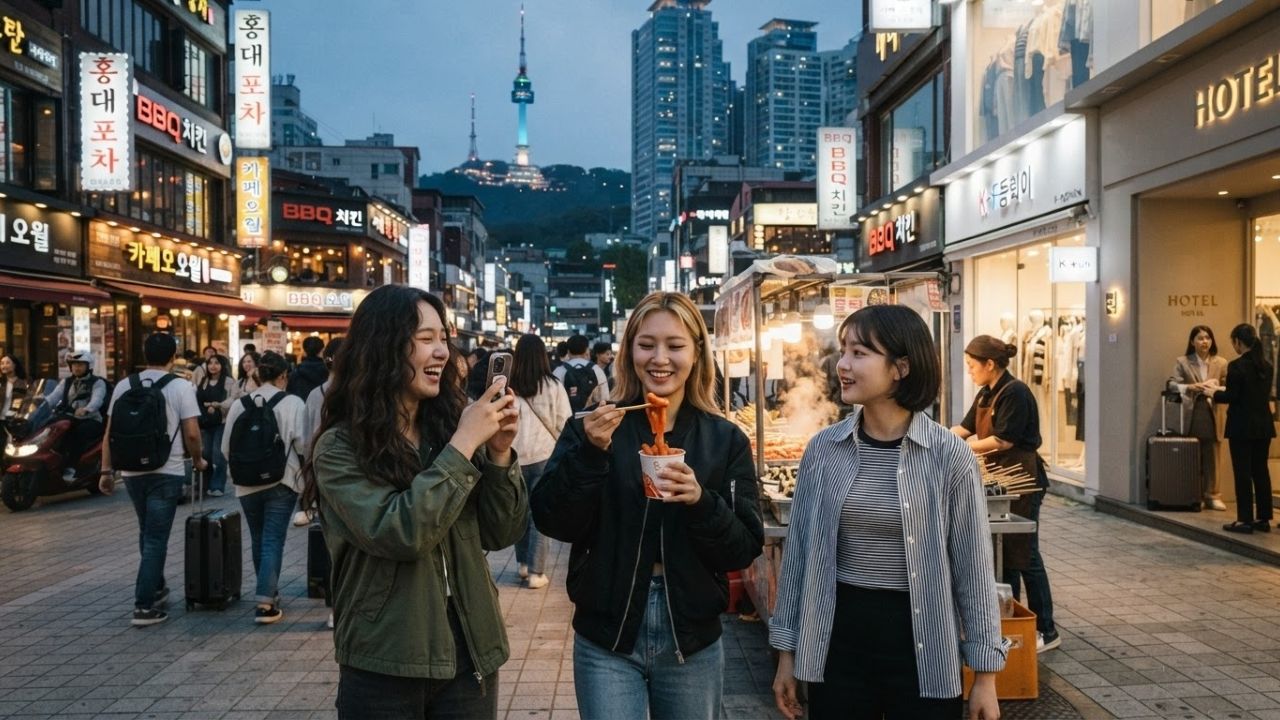
Image generated by AI
With international arrivals reaching 10.71 million in the first half of 2026, South Korea’s tourism growth is positioning Seoul as a dominant global travel destination.
The Local Trend Revealed
Inbound traveler volumes and commercial transit patterns are experiencing unprecedented growth across South Korea. Data released by the Ministry of Culture, Sports and Tourism (MCST) and the Korea Tourism Organization (KTO) reveals that foreign visitor numbers in the first half of 2026 rose by 21.3% year-on-year, representing a 126.9% recovery rate compared to the pre-pandemic baseline of 2019.
The seven-month surge has been fueled by the global popularity of "K-culture," streamlined group visas, and expanded direct flights to regional airports, putting South Korea on track to meet its annual target of 22 to 23 million international visitors.
Tourist Source Markets & Financial Yields
Analyzing the demographics and economic impact of incoming travelers requires dissecting official airport arrival and spending records. The following tables outline the leading source markets and key tourism performance indicators for 2026.
| Source Market Hub | First Half Arrivals (2026) | June Month Volume | Year-on-Year Growth (June) | Strategic Entry Catalyst |
|---|---|---|---|---|
| People's Republic of China | 3.21 million | 649,582 | 36.2% increase | Temporary group visa-free entry |
| Japan | 1.95 million | 348,216 | 21.3% increase | Low-cost carrier flight routes |
| Taiwan | 1.15 million | 223,127 | 35.3% increase | 188.4% expansion vs 2019 baseline |
| United States | 810,000 | ~220,000 (Americas) | — | 168.6% of 2019 volume levels |
| Philippines | 360,000 | — | — | Targeted ASEAN marketing |
Top source markets driving Seoul inbound tourism surge (2026).
| Tourism Performance Indicator | Recorded Metric Value (2026) | Comparison Baseline | Core Infrastructure Factor |
|---|---|---|---|
| H1 Foreign Card Spending | 10 trillion won (~$6.8B USD) | 50.8% increase vs H1 2025 | Premium retail & luxury beauty |
| June Monthly Card Spend | 2.05 trillion won | Second month above 2T won | High-yield demographic arrivals |
| June Total Air Arrivals | 1.74 million | — | Incheon & Gimpo 18.2% expansion |
| June Regional Air Arrivals | 42.5% increase | Year-on-year baseline | Decentralized regional routes |
| H1 Port Arrivals | 55,243 (June month) | 87.3% increase vs June 2025 | International cruise line routes |
| Q2 Travel Satisfaction Score | 90.5 points | 89.8 points in Q2 2025 | Pricing controls & quality audits |
Seoul inbound tourism financial and satisfaction metrics.
Cultural & Environmental Value
For the visitor, the real impact is that South Korea’s tourism policy actively distributes traveler spending away from central shopping hubs like Myeongdong and Gangnam and toward local communities. According to July 2026 reports from the city-run Seoul AI Foundation, international tourists are increasingly exploring neighborhood cultural paths, local food markets, and natural mountain trails within the city.
For example, visitor numbers rose by 12.1% at the Dongdaemun Design Plaza and by 11.8% along the Achasan hiking trail. This geographical dispersion reduces crowding at historical palaces while supporting independent merchants and neighborhood conservation.
Visitor Insider Tips
To explore Seoul comfortably and protect your budget:
- Avoid Central Peak Hours: Visit popular heritage sites like Gyeongbokgung Palace in the early morning to capture photos before large group tours arrive.
- Neighborhood Food Markets: Swap tourist-heavy dining districts for local markets like Gwangjang Market or local alleys in Hongdae to sample authentic street food at local prices.
- Confirm K-ETA Registration: If arriving from visa-free Western nations, complete your electronic travel authorization (K-ETA) online at least 72 hours before boarding your flight.
- Report Overcharging: If you encounter taxi drivers, hotels, or restaurants overcharging, report the incident immediately to the KTO tourist helpline (1330). The government enforces strict penalties to protect travelers.
Tourism Outlook
The long-term outlook for South Korea’s tourism industry remains exceptionally positive as the Ministry of Culture, Sports and Tourism expands regional connectivity. By increasing direct international flights to cities like Busan and Jeju—which recorded a 42.5% increase in foreign arrivals—the government mitigates capital congestion while developing secondary travel markets.
This coordinated strategy ensures that South Korea’s cultural soft power translates into sustainable economic growth, establishing the nation as a premier global destination.
Related Travel Guides
Visit Malaysia 2026 Campaign Targets 35.6M Arrivals
Disclaimer
This article is for informational and educational purposes only. It does not constitute legal, financial, or professional advice. While we strive to provide accurate and up-to-date information, travel policies, regulations, and conditions change rapidly. Always verify information with official sources before making travel decisions. Nomad Lawyer makes no representations about the accuracy, reliability, completeness, or suitability of the information provided. Readers should consult qualified professionals for advice specific to their circumstances. The views expressed in this article are those of the author and do not necessarily reflect the views of Nomad Lawyer.