
Sea Life Park Hawaii Guide: 8 Best Activities for an Unforgettable Island Experience
Discover the ultimate Sea Life Park Hawaii experience with interactive dolphin swims, stingray encounters, sea lion encounters, and Ka Moana Luau. Complete guide with ticket info and family-friendly activities on Oahu's coastline.

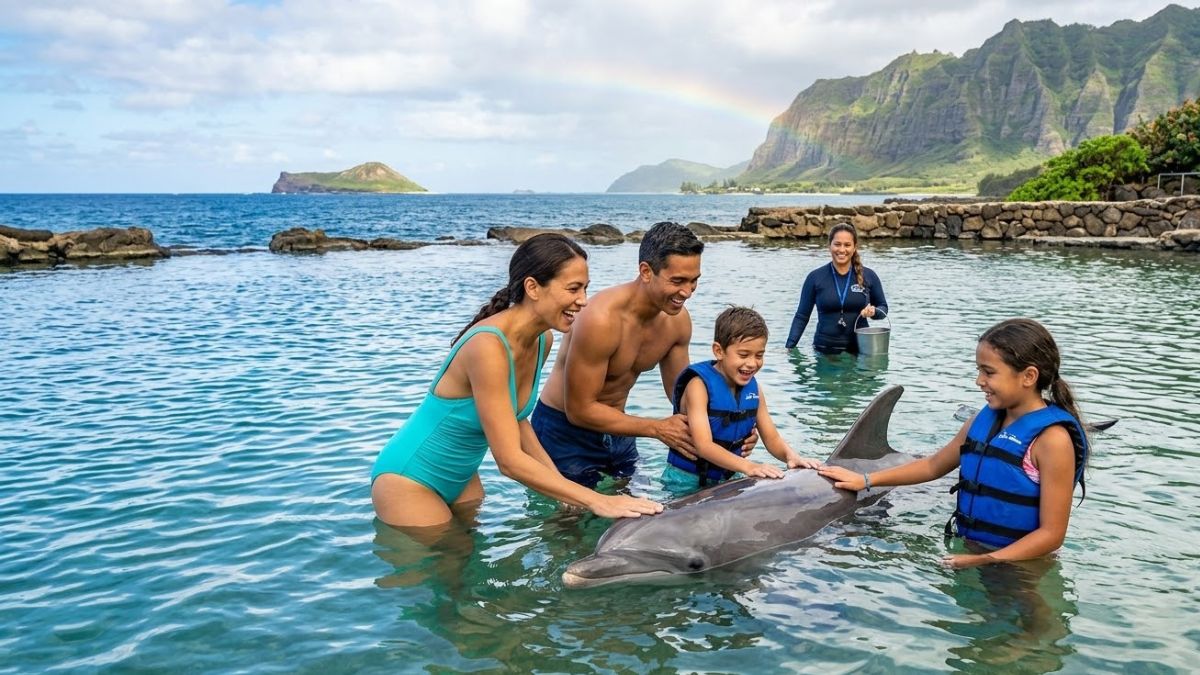
Image generated with AI
Quick Summary
- Sea Life Park Hawaii is Oahu's premier marine sanctuary featuring interactive dolphin swims, stingray lagoons, and extinct species preservation
- Top 8 activities: Dolphin encounters, Touch Pond marine tactile experience, live shows (dolphins/sea lions/sharks), Reef Encounter snorkeling, bird feeding sanctuary, sea lion interactions, penguin exhibits, Ka Moana Luau performance dinner
- Family-friendly: Children as young as 3 years old can participate in waist-deep dolphin experiences; full swimming available for ages 8+
- Perfect itinerary: 2-4 hours on-site; luau package includes complimentary park admission for the following day
Nestled on Oahu's southeastern coast, Sea Life Park Hawaii stands as one of the Pacific's most interactive marine sanctuaries, offering visitors direct encounters with dolphins, sea lions, rays, sharks, and rare Hawaiian wildlife. Far more than a traditional aquarium, this 62-acre park combines education, conservation, and hands-on marine experiences that transform a beach day into an immersive ocean ecosystem adventure.
Whether you're planning a family vacation to Hawaii, a honeymoon experience, or a multi-generational trip, Sea Life Park delivers unforgettable memories alongside genuine learning opportunities. Here's your complete guide to maximizing your visit.
Swim with Dolphins in Crystal-Clear Waters
Swimming with dolphins represents the signature Sea Life Park experience — and for good reason. Guided by professional marine trainers, visitors descend into specially designed lagoons to interact with Oahu's bottlenose dolphin population in their semi-natural habitat.
Experience Tiers by Age
For ages 3-7 (Shallow Water Interaction): Young children wade waist-deep, learning to hand-signal dolphins while trainers facilitate tactile contact. Kids observe breathing patterns, learn basic dolphin communication, and understand conservation drivers behind marine mammal protection.
For ages 8+ (Full Swim Experience): Older children and adults enter deeper lagoon sections, engaging in two-way interactive play. Dolphins initiate behaviors—jumping, spinning, vocalizing—while you learn about dolphin physiology, echolocation capabilities, family structures, and Hawaiian ecosystem roles.
Photography moments: Professional portrait packages capture your dolphin encounter, creating shareable memories for social platforms and home albums.
What Trainers Teach
Each session emphasizes habitat preservation and species-specific biology:
- Bottlenose dolphin social hierarchies and communication patterns
- Respiratory anatomy and adaptations to marine life
- Conservation status and protection initiatives in Hawaiian waters
- Historical relationship between Hawaiian culture and marine mammals
This isn't casual play — it's accredited marine education delivered experientially.
Touch Pond: Hands-On Marine Exploration
The Touch Pond represents one of Hawaii's most beloved interactive exhibits, particularly for young explorers. This specially designed shallow-water habitat allows direct handling of living marine creatures — an increasingly rare opportunity as most facilities restrict tactile contact.
What You'll Touch
- Starfish (sea stars) — observe their tube feet and radial symmetry up close
- Sea urchins — feel their delicate spines and learn defensive adaptations
- Baby sea turtles — rare chance to hold endangered Hawaiian green sea turtles
- Reef fish — feed larger specimens directly from your palm, observing feeding behaviors
The Crawl-Through Experience
Younger children can navigate specially designed transparent tunnels submerged within the pond, creating the sensation of swimming alongside reef life while maintaining safety and comfort. This creates magical first-memories for toddlers experiencing ocean fauna.
Educational Value
Touch Pond sessions weave in marine classification, food chains, and species-specific adaptations. Children learn why starfish have no brains yet exhibit coordinated movement, why sea urchins require specific water conditions, and why sea turtle conservation matters to Hawaiian cultural preservation.
Live Performances: Dolphin, Sea Lion & Shark Shows
Sea Life Park's daily performance schedule showcases marine intelligence across multiple species:
The Dolphin Intelligence Show
Professional trainers demonstrate advanced dolphin cognition through trained behaviors — jumping through hoops, tail-walking, synchronized leaping. Each behavior serves educational purposes, illustrating dolphin problem-solving abilities, family bonding, and why these creatures demand protection.
Trainers narrate individual dolphin names, family histories, and personality quirks, transforming performances into intimate wildlife documentaries.
Sea Lion & Penguin Showcases
Sea lion athleticism becomes evident as these pinnipeds perform acrobatic feats impossible for land mammals. Trainers explain Hawaiian sea lion ecology, mating behaviors, and recent population rebounds thanks to marine protection laws.
Penguin exhibits highlight Humboldt penguin adaptations to cold-current ocean zones, ecological dependencies, and why tropical Hawaii provides suitable sanctuary habitat.
Shark Feeding Demonstrations
The live shark feeding demonstration in the massive aquarium tank captivates audiences as trainers hand-feed apex predators. This breaks common shark stereotypes while educating viewers on predator-prey relationships, feeding behaviors, and why sharks remain essential ocean ecosystem components.
Reef Encounter: Stingray Snorkeling Lagoon
Transform into an underwater explorer at Reef Encounter, Sea Life Park's purpose-built snorkeling lagoon where graceful whitetip reef sharks and stingrays navigate shallow, crystal-clear waters alongside you.
What to Expect
The lagoon maintains tropical water temperature (approximately 75-80°F year-round) and visibility exceeding 30 feet. Stingrays glide beneath the surface with mesmerizing grace — their wing-like fins propelling them effortlessly through water columns.
Reef fish species including parrotfish, surgeonfish, and goatfish inhabit natural-rock structures, creating an immersive reef ecosystem replica. Gentle whitetip reef sharks cruise the lagoon perimeter, providing thrilling-yet-safe shark encounters for most visitors.
Snorkel Tips
- Arrive early for clearest water conditions (morning hours before park fills)
- Wear reef-safe sunscreen to protect coral and marine life
- Use provided snorkel gear or bring your own certified equipment
- Maintain 3-foot distance from sharks (they're uninterested in humans)
- Bring an underwater camera for creature captures
This represents Oahu's most accessible stingray snorkeling experience — no boat rides, crowded ocean swells, or advanced diving certification required.
Feed Birds in Tropical Aviary Sanctuary
Sea Life Park's bird sanctuary houses 300+ species including critically endangered Hawaiian natives like the Hawaiian nene (state bird) and Hawaiian hawk.
Feeding Experience
Purchase birdseed containers at park concessions, then watch rainbows of tropical birds descend upon you. Macaws, parrots, lorikeets, and Hawaiian honeycreepers perch directly on your shoulders and hands, creating instagrammable moments while you learn individual species characteristics.
This activity proves particularly impactful for children ages 4-10, building empathy for avian conservation while providing tactile nature connection increasingly rare in urban childhoods.
Sea Lion Encounters: Learning Marine Mammal Behavior
Interactive sea lion sessions allow visitors to hand-feed and touch these intelligent pinnipeds while trainers explain behavioral patterns, breeding cycles, and how Hawaiian sea lion populations recovered from near-extinction.
See firsthand how sea lions communicate through barks, body language, and social hierarchies. Understanding these creatures' intelligence and personality shifts public perception toward marine protection advocacy.
Humboldt Penguin "Flight" Demonstration
Yes — penguins in Hawaii. Sea Life Park houses a breeding colony of Humboldt penguins — native to South American cold-current zones yet thriving in specialized climate-controlled habitats.
Watch these flightless birds demonstrate why they're called "flying penguins." Underwater, their torpedo-like bodies propel through lagoons with graceful efficiency matching aerial flight. Above water, their waddling locomotion entertains while their vocalizations fascinate.
This represents a unique Oahu experience — penguins aren't native to Hawaii, making this one of few Pacific locations offering close penguin encounters.
Ka Moana Luau: Cultural Performance & Dinner
Bookend your Sea Life Park visit with Ka Moana Luau — consistently ranked among Hawaii's premier luau experiences. This performance-dinner hybrid immerses guests in Hawaiian and Polynesian traditions.
Program Highlights
- Hula dancing demonstrations — graceful, historically-rooted performances
- Fire-knife dancing — Samoan warrior tradition creating mesmerizing flame displays
- Lei-making workshops — learn traditional Hawaiian garland creation
- Ukulele lessons — introductory sessions for all ages
- Traditional Hawaiian dinner — kalua pork, laulau, fresh tropical fruits, island beverages
The Insider Advantage
Ka Moana Luau ticket holders receive complimentary Sea Life Park admission for the following day — effectively bundling a full marine park experience with premium cultural entertainment at luau-only pricing.
Evening performances occur under star-filled skies with Rabbit Island silhouette on the horizon, creating romantic ambiance for couples and memorable backdrops for family photos.
Frequently Asked Questions
Q: Which animals live at Sea Life Park Hawaii? A: The park houses Green Sea Turtles, Bottlenose Dolphins, Humboldt Penguins, Whitetip Reef Sharks, Stingrays, Hawaiian Sea Lions, Hawaiian Monk Seals, Endangered Hawaiian Birds, Starfish, Sea Urchins, Parrotfish, and Surgeonfish. The facility maintains USDA-accreditation and participates in Species Survival Plans (SSP) for endangered species.
Q: How long should I spend at Sea Life Park? A: Plan 2-4 hours for a comprehensive experience hitting all major exhibits and shows. Rushed visitors can tour core attractions (Dolphin Swim, Touch Pond, Live Shows) in 90 minutes. Families with young children often spend 4-5 hours, incorporating rest breaks and multiple show viewings.
Q: Is Sea Life Park worth the price for young children? A: Absolutely. Children ages 3-10 report this as a trip highlight, with touchable creatures and interactive shows providing engagement rarely matched by traditional attractions. For families prioritizing educational experiences over passive observation, the investment delivers exceptional value.
Q: Can I bring my own snorkel gear to Reef Encounter? A: Yes. Park-provided gear is complimentary, but bringing certified personal equipment is permitted and encouraged for comfort-conscious snorkelers.
Q: What's the best time to visit Sea Life Park? A: Mid-week mornings (Tuesday-Thursday, 9-11 a.m.) offer shortest lines, clearest water for snorkeling, and optimal animal activity levels. Weekends and holidays attract crowds that can compress interactive session availability.
Q: Do I need to book dolphin swim experiences in advance? A: Yes, strongly recommended. Dolphin swim sessions cap at 6-8 participants per timeslot. Peak seasons (summer, winter holidays) book 7-14 days ahead. Walk-ups frequently encounter sold-out sessions.
Q: Is Sea Life Park accessible for visitors with disabilities? A: The park offers ADA-compliant pathways, accessible parking, and mobility-accommodative marine experiences. Contact park directly to coordinate specialty needs for dolphin swim adaptations or mobility considerations.
Pro Tips for Maximum Enjoyment
- Arrive at park opening (9 a.m.) to maximize activity availability and minimize wait times
- Book dolphin swim experiences in advance via Sea Life Park's official website or Viator
- Bring reef-safe sunscreen — standard sunscreen damages Hawaiian coral
- Pack water shoes for Touch Pond and other wet areas
- Eat light breakfast before arrival — park food pricing reflects tourist destination markup
- Schedule luau for your final evening — ending your Oahu visit on cultural high note creates lasting impressions
Bottom Line
Sea Life Park Hawaii transcends typical aquarium visits, delivering hands-on marine education, conservation advocacy, and family bonding within a world-class facility. Whether you're 3 or 83, interacting with dolphins, touching starfish, and watching penguins "fly" creates the type of island memories that persist long after vacation ends.
Combine your park visit with Ka Moana Luau for a comprehensive Hawaiian cultural-and-marine experience. Book your visit through GetYourGuide, Viator, or directly via Sea Life Park's official site to access current discounts and combo packages.
Your Oahu itinerary isn't complete without Sea Life Park.
Disclaimer
This article is for informational and educational purposes only. It does not constitute legal, financial, or professional advice. While we strive to provide accurate and up-to-date information, travel policies, regulations, and conditions change rapidly. Always verify information with official sources before making travel decisions. Nomad Lawyer makes no representations about the accuracy, reliability, completeness, or suitability of the information provided. Readers should consult qualified professionals for advice specific to their circumstances. The views expressed in this article are those of the author and do not necessarily reflect the views of Nomad Lawyer.
Raushan Kumar
Founder & Lead Developer
Full-stack developer with 11+ years of experience and a passionate traveller. Raushan built Nomad Lawyer from the ground up with a vision to create the best travel and law experience on the web.
Learn more about our team →