
Saudi Arabia Bucket List 2026: Essential Places & Experiences
Saudi Arabia's bucket list in 2026 features UNESCO heritage sites, Red Sea diving, and desert adventures. New e-visas and expanded routes make exploration easier than ever for international travelers.

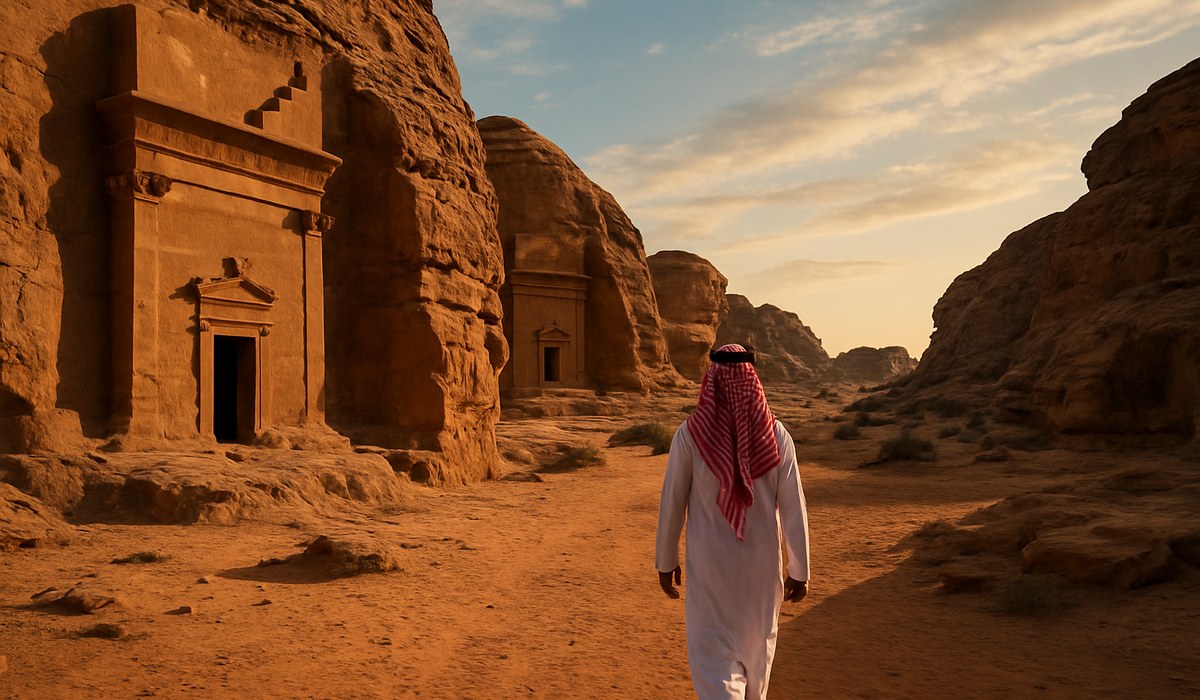
Image generated by AI
Saudi Arabia enters 2026 as a rapidly evolving travel destination, opening centuries-old heritage sites and modern attractions to international visitors at an unprecedented pace. The kingdom's e-visa program and newly established flight connections have transformed tourism infrastructure across the country. Travelers now access carved Nabataean tombs, pristine Red Sea coral reefs, and reimagined historic districts that blend ancient civilization with contemporary culture.
AlUla's Nabataean Heritage Defines Kingdom's Archaeological Treasure
AlUla anchors the Saudi Arabia bucket list as the nation's premier heritage destination, showcasing the UNESCO World Heritage Site of Hegra and its monumental rock-cut tombs. The Nabataean civilization carved these honey-colored facades directly into sandstone cliffs between the 1st century BCE and 1st century CE, creating structures rivaling Petra across the border in Jordan. Visitor access follows guided protocols that protect fragile inscriptions and archaeological integrity.
The experience unfolds through air-conditioned vehicle transport between tomb clusters, supplemented by curated walking routes through canyon landscapes. Sunrise and sunset visits offer optimal atmospheric conditions when golden light accentuates carved details and temperatures remain comfortable. Beyond Hegra, AlUla's expanded cultural infrastructure includes desert resorts built with minimal light pollution, hiking trails connecting oasis settlements, and seasonal festivals featuring international artists.
Spring 2026 marks peak visitation season due to moderate weather conditions. Book accommodations and official tour slots in advance through authorized operators. The region maintains conservation protocols, so visitor quotas may apply during specific periods. Current entry procedures require confirmation directly with providers before departure.
Riyadh's Dual Identity Connects Past and Present
Riyadh presents travelers with immediate contrast between soaring glass towers and restored mudbrick heritage zones, making the Saudi Arabia bucket list accessible to those seeking urban exploration. The capital's metro system, completed in 2025, now connects historic districts to modern shopping precincts and cultural venues efficiently.
Historic Diriyah, situated 15 kilometers west of central Riyadh, functions as a living museum of Najdi architecture within the UNESCO-designated At-Turaif district. Thick earthen walls, geometric parapets, and small window openings reflect traditional climate control techniques developed across centuries. The restoration project added pedestrian promenades along Wadi Hanifah, integrating museums, restaurants, and galleries into the mudbrick landscape.
The National Museum and adjacent Murabba Palace complex provide essential context on Arabian archaeology, Islamic history, and 20th-century unification. Riyadh's emerging creative districts—including Design Quarter and Al Nakheel developments—demonstrate the capital's cultural evolution beyond petroleum economics. Plan 2-3 days minimum to experience both historical restoration projects and contemporary lifestyle precincts. Download ride-hailing apps or arrange licensed taxi services through your accommodation to navigate traffic efficiently.
Jeddah's Red Sea Gateway Offers Marine Adventures
Jeddah transforms the Saudi Arabia bucket list for ocean enthusiasts, delivering world-class diving, snorkeling, and coastal exploration along the Red Sea. The city's historic Balad district—featuring narrow lanes, traditional shophouses, and family-run eateries—contrasts with modern waterfront developments and luxury resorts clustering along the corniche.
The Red Sea coast near Jeddah harbors pristine coral systems and endemic fish species accessible to certified divers and snorkelers through established dive operators. Water temperatures range from 26°C in winter to 31°C in summer, with visibility typically exceeding 20 meters. The Saudi Aramco-backed Red Sea Project, launching full operations in 2026, introduces ultra-luxury resort experiences on previously undeveloped islands while maintaining marine conservation standards.
Jeddah's Balad waterfront underwent major restoration, preserving Ottoman-era merchant houses while adding modern amenities. The Al-Shallal theme park and Al-Noor Mosque provide additional urban attractions. International flights connect Jeddah directly to European, Asian, and Middle Eastern hubs through King Abdulaziz International Airport, making it a natural entry point for western-based travelers planning Saudi explorations.
Makkah and Madinah: Islam's Holiest Pilgrimage Centers
Makkah and Madinah hold unparalleled spiritual significance within Islam and represent the Saudi Arabia bucket list's most sacred experiences for Muslim travelers. Non-Muslims cannot enter Makkah or access the Grand Mosque, but Madinah permits limited non-Muslim visitation to certain areas outside the Prophet's Mosque sanctuary.
The Umrah pilgrimage—Islam's smaller spiritual journey—becomes increasingly flexible in 2026 as the Ministry of Hajj and Umrah expands digital booking platforms and off-peak scheduling options. Performers undertaking Umrah outside major pilgrimage seasons experience significantly reduced crowd pressures and more accessible accommodation pricing. Madinah's hospitality infrastructure has expanded considerably, with new hotel developments adding over 100,000 beds since 2023.
For non-Muslim travelers, the wider western region provides cultural and historical understanding through dedicated exhibitions at the Riyadh National Museum, the King Abdulaziz Center for World Culture (Ithra) in Dhahran, and information centers in Jeddah. These venues contextualize pilgrimage significance, architectural traditions, and the region's religious heritage through respectful, educational frameworks. Dress codes require modest coverage—long pants or skirts and shoulder coverage—throughout the western region regardless of Muslim status.
Desert Experiences and Oasis Retreats Complete the List
The Saudi Arabia bucket list extends into vast desert landscapes through curated adventure programs operating from Riyadh, AlUla, and southern provinces. Off-road expeditions, camel trekking, and glamping experiences connect travelers to Bedouin traditions and nomadic heritage preserved in modern hospitality contexts. Winter months (November through March) offer optimal conditions for extended desert exploration with daytime temperatures between 20-25°C.
Oasis settlements like Al-Ula, Tayma, and Khaybar function as desert anchors, providing services, local cuisine, and cultural immersion opportunities. The Empty Quarter (Rub' al Khali) permits authorized expeditions through specialized tour operators, revealing sand dunes exceeding 300 meters in height and archaeological sites spanning millennia. Spring 2026 represents peak season for these experiences due to comfortable weather windows before summer heat intensifies.
Modern camping facilities feature solar-powered amenities, proper sanitation, and emergency communication systems while maintaining experiential authenticity. Book multi-day desert packages through established operators affiliated with major hotels or tourism boards to ensure safety standards and authentic engagement with local communities.
| Experience Category | Primary Location | Best Season | Duration | Physical Intensity | Typical Cost Range |
|---|---|---|---|---|---|
| Nabataean tomb exploration | AlUla (Hegra) | Oct–May | 2-3 days | Moderate | $1,200–2,500 |
| Urban heritage walking | Riyadh (Diriyah) | Nov–April | 1-2 days | Low | $150–400 |
| Red Sea diving | Jeddah & islands | Sept–June | 2-5 days | High | $800–3,000 |
| Desert & oasis trekking | Multiple provinces | Nov–March | 3-7 days | High | $1,500–4,000 |
| Spiritual pilgrimage | Makkah/Madinah | Year-round | 5-10 days | Moderate | $2,000–8,000+ |
| Coastal relaxation | Red Sea resorts | Oct–May | 3-7 days | Low | $2,500–6,000 |
What This Means for Travelers
International visitors planning 2026 Saudi Arabia trips should implement these concrete strategies:
-
Obtain e-visas through the official portal at least 30 days before departure. Processing typically completes within 2-3 business days, but early application prevents last-minute delays.
-
Book heritage sites directly with official tour operators rather than third-party resellers. AlUla, Diriyah, and Red Sea experiences operate under permit systems with limited daily visitor allocations.
-
Allocate 7-10 days minimum for comprehensive Saudi Arabia bucket list completion. Rushed itineraries (3-5 days) compress experiences and increase travel fatigue across vast distances.
-
Pack modest clothing including long pants, long-sleeve shirts, and lightweight scarves for sun protection. Even non-religious sites expect respectful dress standards throughout the country.
-
Download offline maps and translation apps for areas with inconsistent English signage. Ride-hailing apps (Uber, Careem) operate reliably in major cities but require local SIM cards or international roaming for activation.
-
Arrange transportation between cities through scheduled flights or organized coach services rather than self-driving, which carries complexities for international visitors unfamiliar with local road standards.
FAQ
What comprises a Saudi Arabia bucket list for first-time visitors? A comprehensive Saudi Arabia bucket list spans Hegra's Nabataean tombs in AlUla, Riyadh's restored Diriyah heritage district, Red Sea marine experiences near Jeddah, desert and oasis explorations, and spiritual pilgrimage sites for qualified travelers. Most visitors dedicate 7-10 days to experience primary destinations without excessive rushing or fatigue.
When is the best season to complete a Saudi Arabia bucket list in 2026? October through April provides optimal conditions for Saudi Arabia bucket list activities, with daytime temperatures between 18-28°C and minimal rainfall. Summer months (June-August) exceed 45°C and render outdoor exploration impractical, while major pilgrimage seasons create accommodation scarcity.
Can non-Muslim travelers participate in Saudi Arabia bucket list experiences? Non-Muslim visitors access 95% of Saudi Arabia bucket list attractions including AlUla's archaeological sites, Riyadh's museums, Jeddah's coastal experiences, and desert adventures. Makkah remains closed to non-Muslims, but Madinah permits limited non-Muslim visitation to designated outer areas. Respectful dress codes apply universally.
How much should travelers budget for a comprehensive Saudi Arabia bucket list experience? Budget $4,500-8,000 USD per person for 7-10 days covering AlUla, Riyadh, Jeddah, and desert experiences with mid-range accommodations, guided tours, and international flights excluded. Premium experiences incorporating Red Sea luxury resorts exceed $12,000 per person for equivalent duration.
Related Travel Guides
- United Airlines Issues Air Quality Travel Advisory for 17 US and Canadian Airports Due to Wildfire Smoke
- What is Bali Known For? Top Experiences, Famous Landmarks, and Travel Guide 2026
- Uzbekistan Steps Up With Saudi Arabia in Tourism and Investment Surge as Strategic Partnership Reaches New Heights
Disclaimer
This article is for informational and educational purposes only. It does not constitute legal, financial, or professional advice. While we strive to provide accurate and up-to-date information, travel policies, regulations, and conditions change rapidly. Always verify information with official sources before making travel decisions. Nomad Lawyer makes no representations about the accuracy, reliability, completeness, or suitability of the information provided. Readers should consult qualified professionals for advice specific to their circumstances. The views expressed in this article are those of the author and do not necessarily reflect the views of Nomad Lawyer.
Raushan Kumar
Founder & Lead Developer
Full-stack developer with 11+ years of experience and a passionate traveller. Raushan built Nomad Lawyer from the ground up with a vision to create the best travel and law experience on the web.
Learn more about our team →