
Saudi Arabia Challenges Dubai and Doha as Gulf Aviation Leader
Saudi Arabia is challenging Dubai and Doha by expanding Saudia's routes, launching Riyadh Air, and building King Salman International Airport.
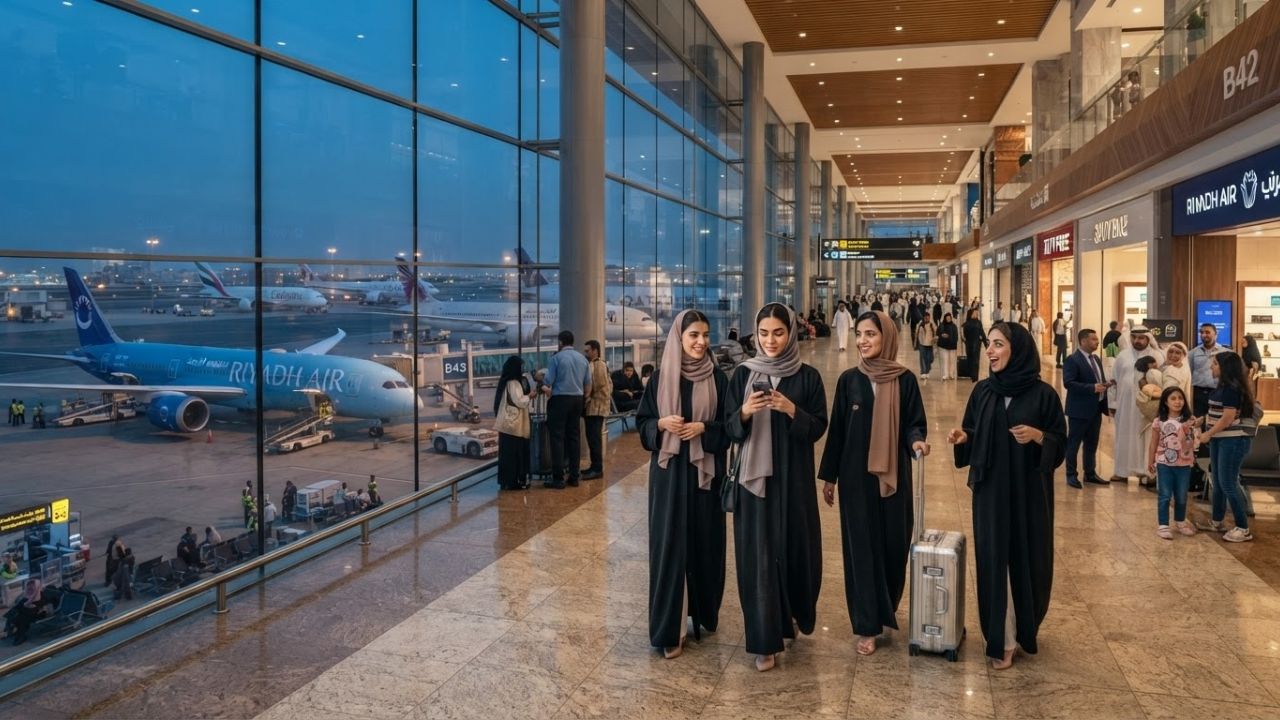
Image generated by AI
Leveraging a massive domestic market, religious tourism volume, and PIF-backed airline launches like Riyadh Air to challenge Dubai and Doha, Saudi Arabia is transforming Gulf aviation.
The Core Transit Update
Middle East aviation networks and intercontinental passenger corridors are transitioning from a two-hub competition between Dubai and Doha into a three-way contest. Guided by the economic diversification goals of Vision 2030, Saudi Arabia is investing billions in airlines, airport infrastructure, and global connectivity.
The Kingdom is expanding its national carrier Saudia beyond traditional pilgrimage routes, launching a second global carrier Riyadh Air to turn the capital into a major transit hub, and developing the massive King Salman International Airport in Riyadh. Unlike smaller Gulf neighbors that rely almost entirely on international transit passengers, Saudi Arabia combines a large population, domestic travel demand, and a religious tourism market to build a distinct aviation model.
Gulf Aviation Comparison & Airline Roles
Competing for international transit traffic requires comparing national operating models and coordinating budget and premium carrier services. The following tables compare Gulf aviation models and detail the roles within the Saudi airline ecosystem.
| Country / Hub | Aviation Operating Model | Main Strategic Strength | Primary Competitor Hub / Carrier | Saudi Arabia's Challenge |
|---|---|---|---|---|
| Saudi Arabia | Domestic + international growth | Large population, Hajj & Umrah, NEOM | Dubai (Emirates) & Doha (Qatar Airways) | Building a complete domestic + transit network |
| United Arab Emirates | Global transit hub model | Dubai International (DXB) & Emirates | Doha (Hamad Airport & Qatar Airways) | Saudi Arabia is creating a competing hub |
| Qatar | Premium international hub model | Hamad Airport (DOH) & Qatar Airways | Dubai (Emirates) | Saudi Arabia offers greater market scale |
Aviation models and competitive landscapes in the Gulf region.
| Airline Carrier | Primary Operating Segment | Core Contribution to Saudi Aviation Growth |
|---|---|---|
| Saudia | National flag carrier | Supports Hajj/Umrah travel, international routes, connects hubs |
| Riyadh Air | New global carrier | Backed by PIF; designed to turn Riyadh into a global transit hub |
| flynas | Low-cost carrier | Supports affordable regional connections & tourism growth |
| flyadeal | Budget airline | Expands domestic routes & increases general traveler accessibility |
Saudi Arabian airline ecosystem roles and contributions.
Traveler Logistics Guide
From a ground-level perspective, the best way to navigate this is to utilize the digital Nusuk portal to secure your entry permits if you are traveling for religious purposes (Hajj or Umrah) before booking flights with Saudia, as this streamlined coordination speeds up immigration clearance at the Jeddah (JED) and Madinah (MED) hubs. Checking transit rules is recommended.
To plan your Gulf travel:
- Verify Connecting Hubs: Riyadh is becoming a primary corporate and transit hub. If connecting through King Khalid Airport, verify terminal layouts to ensure a smooth transfer.
- Leverage Budget Carriers: Low-cost operators like flynas and flyadeal offer affordable regional flights to neighboring Gulf states, bypassing premium ticket costs.
- Plan Around Large Tourism Projects: Wineries and heritage tours in AlUla, luxury resorts along the Red Sea, and the NEOM projects require direct flights. Map out internal regional hops early.
- Observe Transit Visa Rules: If transiting through Saudi airports, check whether you are eligible for the 96-hour stopover visa, which permits short stays in the Kingdom.
Infrastructure Impact Assessment
The development of King Salman International Airport and the launch of Riyadh Air support the expansion of cargo logistics and passenger transport across the Middle East.
By capturing international transit traffic, supporting Hajj and Umrah travel, and connecting new luxury developments, Saudi Arabia reduces its reliance on oil revenues, generates service jobs, and establishes a highly competitive global aviation gateway.
Related Travel Guides
Germany and Ireland Compete for European Regional Tourists
Shravani Mela 2026 Deoghar Travel Tips and Logistics Guide
10 Best Travel Tips for Booking Flights in the Gulf, Navigating Hubs in Riyadh and Dubai, and Rebooking Flights with Saudia and Riyadh Air, According to Reddit
Disclaimer
This article is for informational and educational purposes only. It does not constitute legal, financial, or professional advice. While we strive to provide accurate and up-to-date information, travel policies, regulations, and conditions change rapidly. Always verify information with official sources before making travel decisions. Nomad Lawyer makes no representations about the accuracy, reliability, completeness, or suitability of the information provided. Readers should consult qualified professionals for advice specific to their circumstances. The views expressed in this article are those of the author and do not necessarily reflect the views of Nomad Lawyer.