
Scandinavian Airlines' Historic India Route Aborted Mid-Flight Over Regulatory Clearance Failure
Breaking airline news and aviation industry updates for 2026.

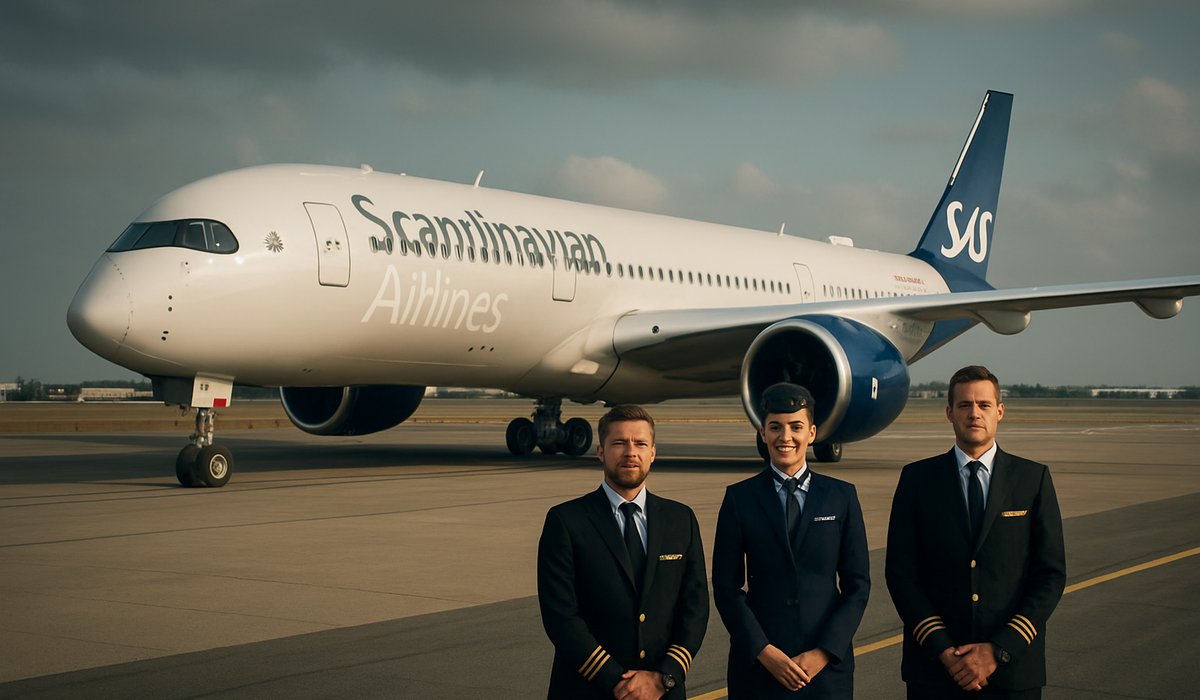
Image generated by AI
Scandinavian Airlines' Historic India Route Aborted Mid-Flight Over Regulatory Clearance Failure
A 17-year comeback bid unravels as SAS A330 forced to turn back over missing final approvals from Indian authorities
The Failed Inaugural Journey
Scandinavian Airlines' long-awaited return to the Indian aviation market has ended in dramatic fashion, with the carrier forced to reverse course over Azerbaijani airspace after failing to secure final regulatory clearance from New Delhi's civil aviation authorities. The incident marks an unprecedented setback for what was intended to be SAS's first commercial service to India since 2007—and a maiden route untested by any international airline.
The Airbus A330-300 widebody aircraft initiated its departure from Copenhagen International Airport on what promised to be a landmark reconnection with South Asian markets. However, as the flight progressed eastward across Central Asia, administrators in India withheld the necessary operational authorization needed for landing, forcing the Scandinavian carrier to execute a U-turn while still in international airspace near Azerbaijan and return to its Scandinavian hub.
Regulatory Misstep Derails Strategic Expansion
The timing of the clearance failure points to a breakdown in pre-flight coordination between SAS and India's Directorate General of Civil Aviation (DGCA). Industry sources suggest that final paperwork and operational permits—typically processed weeks in advance of inaugural services—were not sufficiently completed before the aircraft departed Copenhagen, a procedural oversight that airline executives have attributed to administrative complexities surrounding the route's approval process.
For Scandinavian Airlines, the setback represents more than a single delayed flight. The Scandinavian carrier had positioned its return to India as a cornerstone of its post-pandemic network recovery strategy, targeting lucrative connecting traffic between Northern Europe and the Indian subcontinent. The route would have marked SAS's most ambitious long-haul expansion in recent years.
Implications for European-Asian Connectivity
The incident underscores ongoing friction between European carriers and Asian regulatory bodies over operational compliance and documentation standards. As airlines globally accelerate long-haul route launches to recapture international revenue, bureaucratic complications threaten to slow expansion timelines and increase operational costs.
SAS has not yet announced when it will attempt a rescheduled inaugural service, though the carrier is expected to work directly with Indian authorities to resolve outstanding authorization issues. The failed flight also raises questions about whether similar approval delays may affect other European airlines planning South Asian expansion during the current recovery phase.
FAQ: Aviation Regulatory Delays and International Route Launches
What causes airlines to turn back mid-flight over regulatory issues? Civil aviation authorities must grant operational clearance before an aircraft can legally enter airspace and land in foreign countries. Without final approval, airlines cannot proceed to their destination.
How often do international flights get turned back due to paperwork errors? While rare, regulatory clearance failures do occur, particularly on inaugural routes where documentation complexity is higher. Most airlines mitigate this through advance coordination with authorities.
Why did SAS attempt to restart India operations after 17 years? Post-pandemic recovery has driven European carriers to reconnect with major emerging markets. India represents significant passenger demand and connecting traffic opportunities for Nordic carriers.
What is an A330-300 and why use it for India routes? The Airbus A330-300 is a wide-body twin-engine aircraft capable of long-haul operations. It offers optimal capacity and fuel efficiency for routes of 14-16 hours, making it ideal for Copenhagen-India service.
How does this impact other airlines planning South Asia expansion? The incident highlights the importance of rigorous pre-flight regulatory coordination, potentially lengthening approval timelines for other carriers launching new Asian routes.
Related Travel Guides
Flight Delay Compensation Guide 2026
Understanding Airline Route Changes
Airport Security Process Updated (2026)
External Resources
Disclaimer
This article is for informational and educational purposes only. It does not constitute legal, financial, or professional advice. While we strive to provide accurate and up-to-date information, travel policies, regulations, and conditions change rapidly. Always verify information with official sources before making travel decisions. Nomad Lawyer makes no representations about the accuracy, reliability, completeness, or suitability of the information provided. Readers should consult qualified professionals for advice specific to their circumstances. The views expressed in this article are those of the author and do not necessarily reflect the views of Nomad Lawyer.
Raushan Kumar
Founder & Lead Developer
Full-stack developer with 11+ years of experience and a passionate traveller. Raushan built Nomad Lawyer from the ground up with a vision to create the best travel and law experience on the web.
Learn more about our team →