
São Miguel: Europe's Atlantic Paradise Hidden in Plain Sight
Just four hours from the UK, Portugal's São Miguel island delivers volcanic crater lakes, whale watching, and year-round mild weather—a European tropical escape redefining island travel.

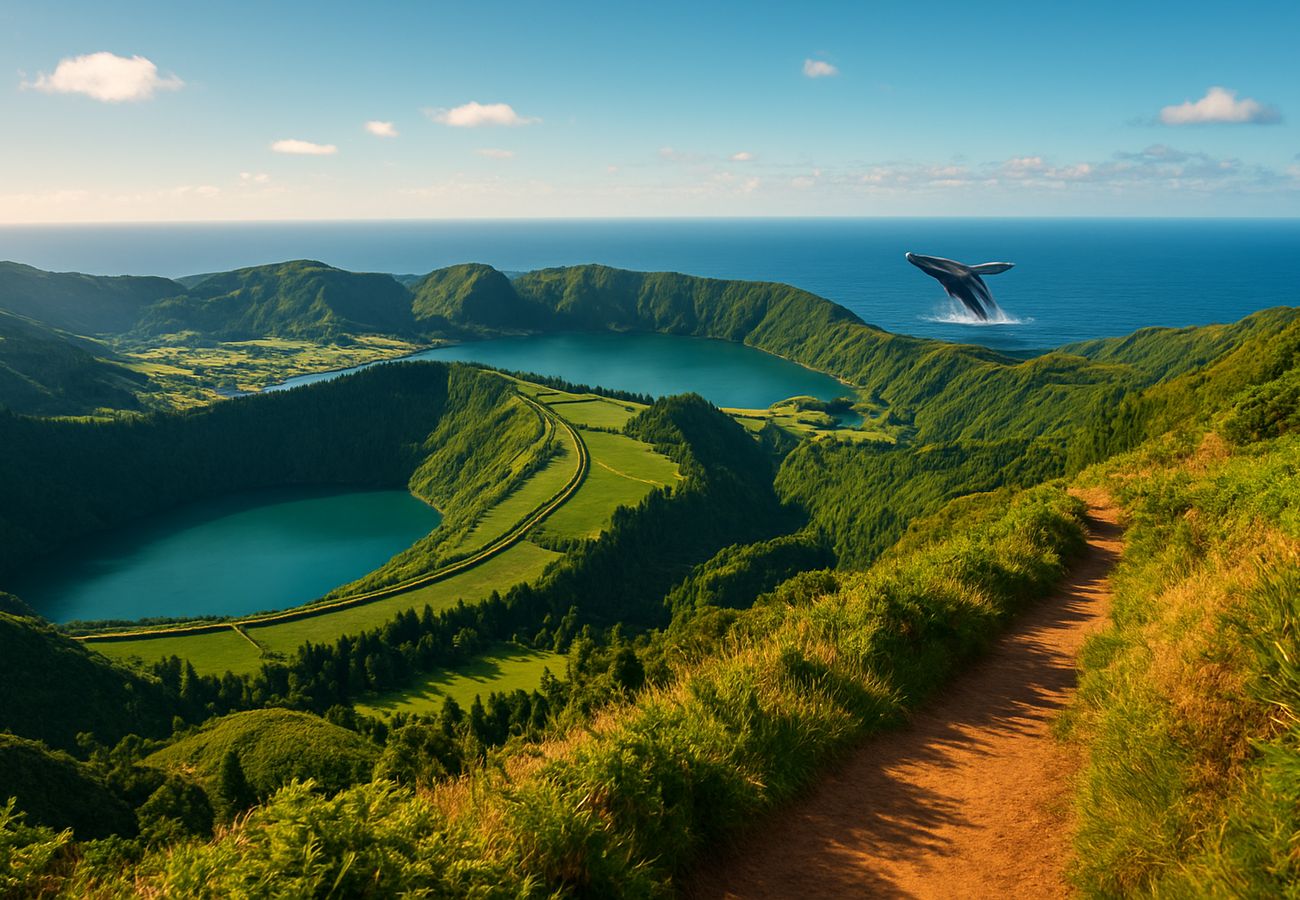
Image generated by AI
The Atlantic's Best-Kept Secret Is Finally Impossible to Ignore
The Azores archipelago has spent decades as Europe's quietest miracle. Nine volcanic islands scattered across the Atlantic, just four hours by air from London—yet somehow the crowds heading to Barcelona, Santorini, and Nice have largely bypassed this Portuguese paradise. That's changing fast.
São Miguel, the largest island in the chain, is the epicenter of this awakening. What I found there challenges every assumption about what a European getaway should look like: lush emerald crater lakes that rival New Zealand's geothermal wonders, black sand beaches that feel genuinely exotic, and a temperate climate that makes outdoor adventures possible year-round. This isn't a European island trying to feel tropical. It is tropical—just located in Europe.
Reddit: "Just got back from São Miguel. Spent four hours flying from Manchester and felt like I'd landed on a completely different continent. Why is nobody talking about this?" — r/travel
Why São Miguel Outclasses the Crowded Mediterranean
The comparison is stark. Spain, France, and Turkey dominate European summer tourism because they're familiar. São Miguel offers something different: untouched volcanic landscapes combined with genuine accessibility.
The island's volcanic pedigree shapes everything. Lagoa das Sete Cidades (Lake of Seven Cities) presents two crater lakes separated by a narrow bridge—one emerald green, one deep blue—framed by steep, verdant walls that plunge 500 meters. Lagoa do Fogo (Fire Lake) sits in another crater, its sapphire waters reflecting the sky in ways that make professional photographers weep. These aren't photoshopped Instagram fantasies. They're real geological formations born from volcanic activity thousands of years ago.
The island's fertility—a direct result of those volcanic soils—creates landscapes that feel genuinely subtropical. Lush valleys, dense forests, and impossibly green hillsides dominate the terrain. This isn't Mediterranean scrubland. This is tropical ecosystem thriving at European latitudes.
The Thermal Springs and Restorative Landscape
São Miguel's geothermal activity means natural hot springs pepper the island. Visitors can soak in naturally heated pools while surrounded by dramatic volcanic scenery—a combination that coastal resorts on the Mediterranean simply cannot match.
The Caldeira Velha hot springs near Ribeira Grande flow directly from the island's volcanic interior. These aren't commercial spa experiences with chlorine and tile. They're genuine natural phenomena where warm water cascades down rocky terraces into natural pools surrounded by ferns and endemic vegetation. The sensory difference is immense.
This combination—adventure in the mornings, thermal restoration in the afternoons—creates a fundamentally different holiday rhythm than beach-resort tourism.
Flight Access: The Hidden Advantage
Ryanair and British Airways operate direct flights from UK airports to Ponta Delgada, the island's capital, in under four hours. That accessibility is genuinely transformative for travel planning. You're not committing to a 12-hour journey. You're not dealing with multiple connections. You're landing at a tropical-feeling destination after a morning flight.
The convenience factor cannot be overstated. São Miguel becomes viable for long weekends, not just extended holidays. The lack of jet lag (same timezone as Portugal/UK winter) removes another barrier that keeps travelers locked into Mediterranean circuits.
Wildlife Encounters That Redefine Island Tourism
The Atlantic waters surrounding the Azores host some of Europe's most reliable cetacean activity. Whale and dolphin watching isn't a hope-for-the-best activity here—it's a legitimate guarantee with professional operators.
Sperm whales, humpback whales, and blue whales migrate through these waters seasonally. Year-round, bottlenose dolphins, common dolphins, and beaked whales inhabit the waters. These encounters happen within 30-60 minutes of leaving the dock, not after full-day expeditions. I watched a humpback breach from a boat piloted by a guide whose family has operated the same tour company for three generations—that continuity breeds expertise.
The sustainable tourism certification these operators maintain means visitors experience wildlife without contributing to environmental damage. Conservation guidelines are genuine rather than theatrical.
The Climate That Never Asks for Compromise
Summer temperatures (June-September) hover between 21°C and 25°C—warm enough for swimming and hiking, cool enough that extreme heat never becomes an issue. The Atlantic Ocean's thermal moderation prevents the brutal temperature swings common to Mediterranean islands.
Crucially, November brings "St Martin's Summer"—a period of warm, sunny weather with temperatures around 20-22°C. That's when savvy travelers escape summer crowds entirely while enjoying peak conditions. The island remains active with visitors, but restaurant tables don't require advance reservations and hiking trails see manageable foot traffic.
The mild year-round climate means visitors aren't confined to a specific season. April through October all present viable conditions. Even winter offers 15-hour daylight days with mild temperatures—not ideal for beach swimming, but perfect for exploration.
The Whale Watching Advantage That Sets It Apart
Unlike whale watching in Iceland or Canada—which requires specific seasonal windows and often involves rough seas—Azores whale watching operates year-round in generally calmer waters. The Gulf Stream's influence keeps the immediate area temperate and relatively protected.
Professional operators like those licensed through the Azores Ecotourism Association maintain adherence to international marine mammal viewing protocols. Boats maintain appropriate distances, avoid artificial feeding, and rotate viewing areas to prevent habitat pressure.
This means visitors experience genuine wildlife encounters without the guilt that comes with knowing their presence causes harm.
Activities That Extend Beyond Standard Beach Tourism
Hiking dominates activity schedules. Trails traverse volcanic ridges, crater rims, and coastal cliffs. The ascent up Pico da Cruz rewards effort with 360-degree views of the island's volcanic architecture. The descent into Caldera da Santiago feels genuinely exploratory—few tourists manage the technical footwork required for this route.
Kayaking in the crater lakes presents intimate encounters with volcanic geology. Paddling across Lagoa das Sete Cidades while surrounded by near-vertical walls creates an enclosure feeling that conventional island kayaking cannot match.
Lava cave exploration (through licensed operators) takes visitors into the geological history itself—actual tunnels formed by flowing magma, now stabilized and accessible.
Mountain biking routes follow scenic passes and valley floors. Cycling around the island's perimeter covers coastal roads with constant ocean views.
The Sustainable Tourism Model That Actually Works
The Azores have committed to sustainable tourism principles that go beyond marketing language. Accommodations genuinely prioritize environmental responsibility. Hiking operations maintain trail infrastructure and limit group sizes. Whale-watching operators rotate areas to prevent maritime mammal habituation.
This isn't virtue signaling. It's genuine infrastructure designed to prevent the environmental degradation that has afflicted Bali, the Maldives, and Mediterranean islands. Visitor capacity on sensitive trails is actually managed rather than simply recommended.
For travelers seeking to experience natural beauty without contributing to its destruction, São Miguel presents a rare model of tourism that can genuinely sustain itself.
Ponta Delgada: The Capital That Doesn't Feel Like a Tourist Town
The island's largest city maintains authentic Portuguese character. Historic plazas, working markets, and local restaurants dominate the downtown core. Tourism hasn't created the sterile beachfront hotel blocks that characterize Mediterranean capitals.
Walking through Ponta Delgada reveals Portuguese colonial architecture, small family-run restaurants, and locals genuinely going about their daily business—not performing tourism for visitors' benefit.
The Opportunity Window Is Now—Before Crowds Arrive
The Azores remain genuinely undiscovered by mainstream European tourism. Flight capacity is increasing, but hotel infrastructure hasn't exploded. Restaurants maintain reservation books with actual availability. Hiking trails don't feature constant foot traffic.
That window is closing. As more UK and European travelers discover São Miguel's combination of accessibility, natural beauty, and year-round activity potential, crowds will inevitably follow. The advantage to traveling now is direct: you experience the islands as they are, not as they've been packaged for mass consumption.
The infrastructure exists—flights, accommodations, professional guides—but the commercialization hasn't yet flattened the experience into something generic.
Making the Journey Happen
Direct flights from London, Manchester, and other UK airports operate year-round. The four-hour flight time means weekend escapes are genuinely viable. Accommodation ranges from family-run guest houses to boutique hotels, with pricing roughly equivalent to Mediterranean resorts but with authenticity premium factored in.
Renting a car provides flexibility that organized tours cannot match. The island's road infrastructure is solid, driving follows standard European patterns, and distances are manageable—no point on São Miguel lies more than 45 minutes from any other point.
São Miguel isn't Europe's hidden paradise anymore—it's becoming impossible to hide. Visit now while it still feels like a genuine discovery rather than a curated destination.
Related Travel Guides
Disclaimer
This article is for informational and educational purposes only. It does not constitute legal, financial, or professional advice. While we strive to provide accurate and up-to-date information, travel policies, regulations, and conditions change rapidly. Always verify information with official sources before making travel decisions. Nomad Lawyer makes no representations about the accuracy, reliability, completeness, or suitability of the information provided. Readers should consult qualified professionals for advice specific to their circumstances. The views expressed in this article are those of the author and do not necessarily reflect the views of Nomad Lawyer.
Kunal K Choudhary
Co-Founder & Contributor
A passionate traveller and tech enthusiast. Kunal contributes to the vision and growth of Nomad Lawyer, bringing fresh perspectives and driving the community forward.
Learn more about our team →