
Santiago Airport Adds Five Plaza Premium Lounges to Boost Chile Travel Access for US and LATAM in 2026
Santiago de Chile International Airport is transforming its Domestic Terminal (T1) with five new Plaza Premium lounges, offering 534 seats and 24-hour access to enhance connectivity for US and South American travelers.

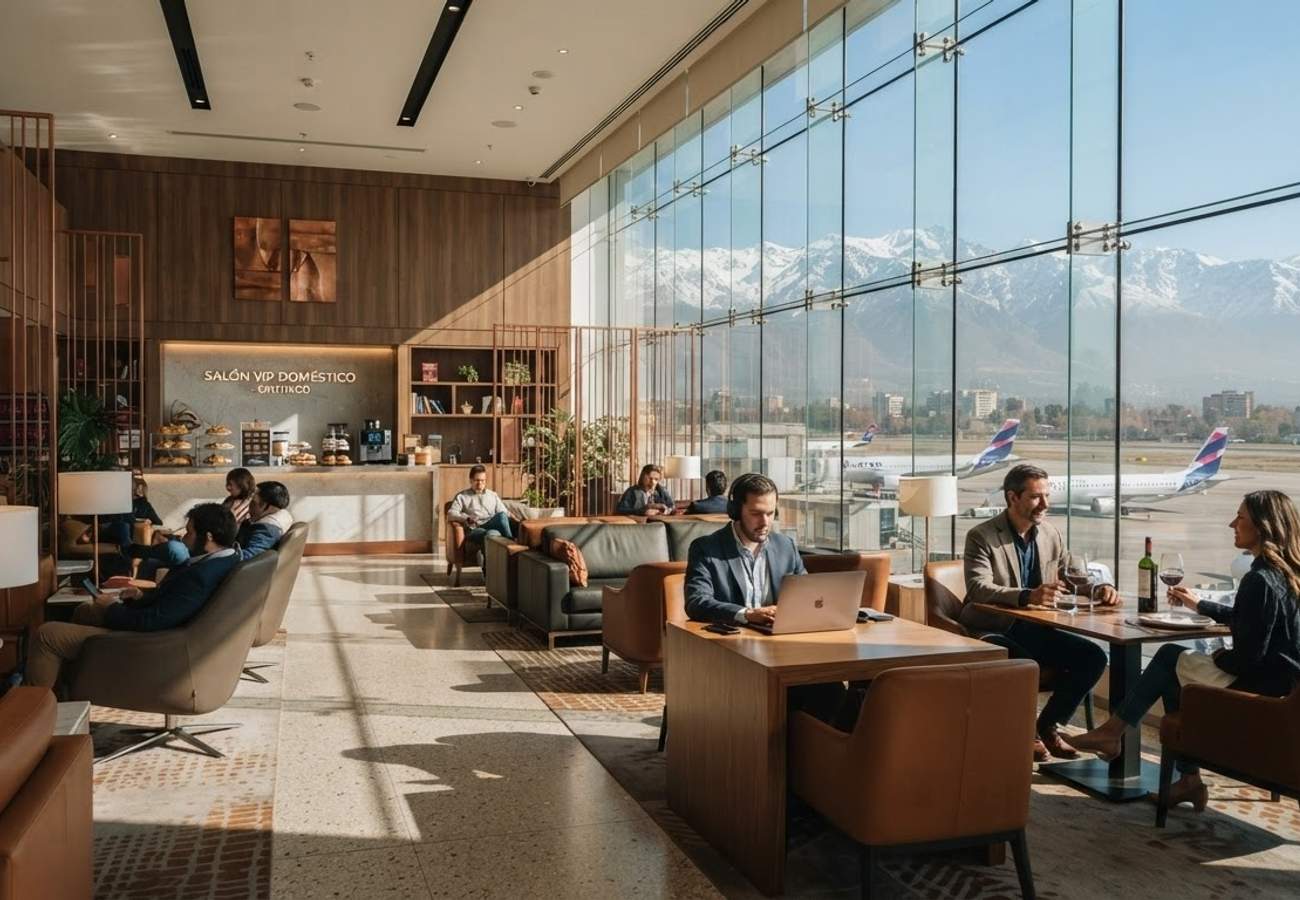
Image generated by AI
Santiago de Chile International Airport is deploying five new premium lounges in its Domestic Terminal (T1), introducing 534 seats across 2,154 square metres of space to solidify its status as the primary Latin American aviation gateway.
The Shift Toward Premium Transit in Santiago
Chile is aggressively repositioning its aviation infrastructure to move beyond simple transit and toward a high-hospitality model. The partnership with Plaza Premium Group to overhaul the Domestic Terminal (T1) marks a strategic pivot. By replacing dated lounge areas with five modern, 24-hour facilities, Santiago Airport is targeting the high-value leisure and business segments from the United States, Brazil, Argentina, and Peru.
For the traveler, this is not merely an aesthetic upgrade. The expansion addresses a critical pain point for long-haul passengers arriving from North America who often face grueling connection times before heading to regional Chilean destinations. With 24-hour operations, these lounges provide a necessary sanctuary for those navigating mismatched flight schedules.
Infrastructure Specifications
| Feature | Details |
|---|---|
| Airport | Santiago de Chile Arturo Merino Benítez Airport |
| Terminal | Domestic Terminal (T1) |
| New Lounges | 5 Facilities |
| Operator | Plaza Premium Group |
| Total Space | 2,154 square metres |
| Seating Capacity | 534 seats |
| Operating Hours | 24 hours daily |
Regional Connectivity and Economic Impact
The scale of this investment is driven by massive passenger volumes. In 2025, the Domestic Terminal handled more than 12 million passengers traveling between Santiago and 17 different destinations across Chile. By upgrading the "first and last impression" of the journey, Chile is enhancing its competitiveness against other regional hubs.
North American Access For US-based travelers, the improvement in hospitality reduces the friction of entering the South American market. As business ties strengthen, the availability of premium spaces for remote work and rest during layovers makes Santiago a more attractive entry point for exploring the wider continent.
The South American Corridor The impact is most felt in the Brazil-Argentina-Peru triangle. These nations maintain the highest volume of cross-border mobility with Chile. By upgrading T1, the airport supports the fluidity of regional business movement and high-end tourism, ensuring that the passenger experience matches the growing demand for luxury travel in the Southern Cone.
Cultural & Environmental Value
The redevelopment of the T1 lounges is designed to integrate Chilean identity into the architectural experience. Rather than generic corporate design, the new spaces aim to reflect local heritage, providing travelers with a curated introduction to Chilean culture before they leave the airport.
From a sustainability perspective, the consolidation of five lounges into a managed Plaza Premium ecosystem allows for more efficient energy use and waste management compared to fragmented, older facilities. This alignment with modern aviation standards supports the regional goal of creating a more sustainable, passenger-centric aviation network.
Visitor Insider Tips
For those navigating the new Santiago Airport layout in 2026, keep these local insights in mind:
- The Phase-In Window: Be aware that the rollout is staggered. Three lounges are expected to reopen by the end of 2026, with the final two arriving in 2027. Always check your terminal map upon arrival.
- Off-Peak Strategy: To avoid the crowds, aim for lounge access between 10:00 AM and 2:00 PM, as most domestic flights to regional hubs peak in the early morning and late evening.
- Local Palate: While Plaza Premium offers international standards, look for lounges featuring Empanadas de Pino or Mote con Huesillo—traditional Chilean snacks that provide a genuine taste of the region.
- Transit Etiquette: When moving from the International terminal to T1, allow an extra 30 minutes for security screenings, even with premium access, as domestic checkpoints can fluctuate in speed.
Tourism Outlook
The long-term trajectory for Santiago Airport is clear: it is no longer content being a stopover. By investing in 2,154 square metres of premium space, Chile is signaling its intent to capture a larger share of the luxury transit market. As domestic connectivity grows beyond the 17 current destinations, the ability to process millions of passengers with high-efficiency hospitality will be the deciding factor in Santiago's dominance as a Latin American hub.
Chile is turning the airport experience from a logistical necessity into a destination in its own right.
Related Travel Guides
Disclaimer
This article is for informational and educational purposes only. It does not constitute legal, financial, or professional advice. While we strive to provide accurate and up-to-date information, travel policies, regulations, and conditions change rapidly. Always verify information with official sources before making travel decisions. Nomad Lawyer makes no representations about the accuracy, reliability, completeness, or suitability of the information provided. Readers should consult qualified professionals for advice specific to their circumstances. The views expressed in this article are those of the author and do not necessarily reflect the views of Nomad Lawyer.
Kunal K Choudhary
Co-Founder & Contributor
A passionate traveller and tech enthusiast. Kunal contributes to the vision and growth of Nomad Lawyer, bringing fresh perspectives and driving the community forward.
Learn more about our team →