
Samoa Teuila Festival 2026: Apia Transforms into Polynesian Cultural Stage
The annual Teuila Festival returns to Apia in 2026, bringing Samoa's national red ginger flower to life through traditional siva dance and local crafts.

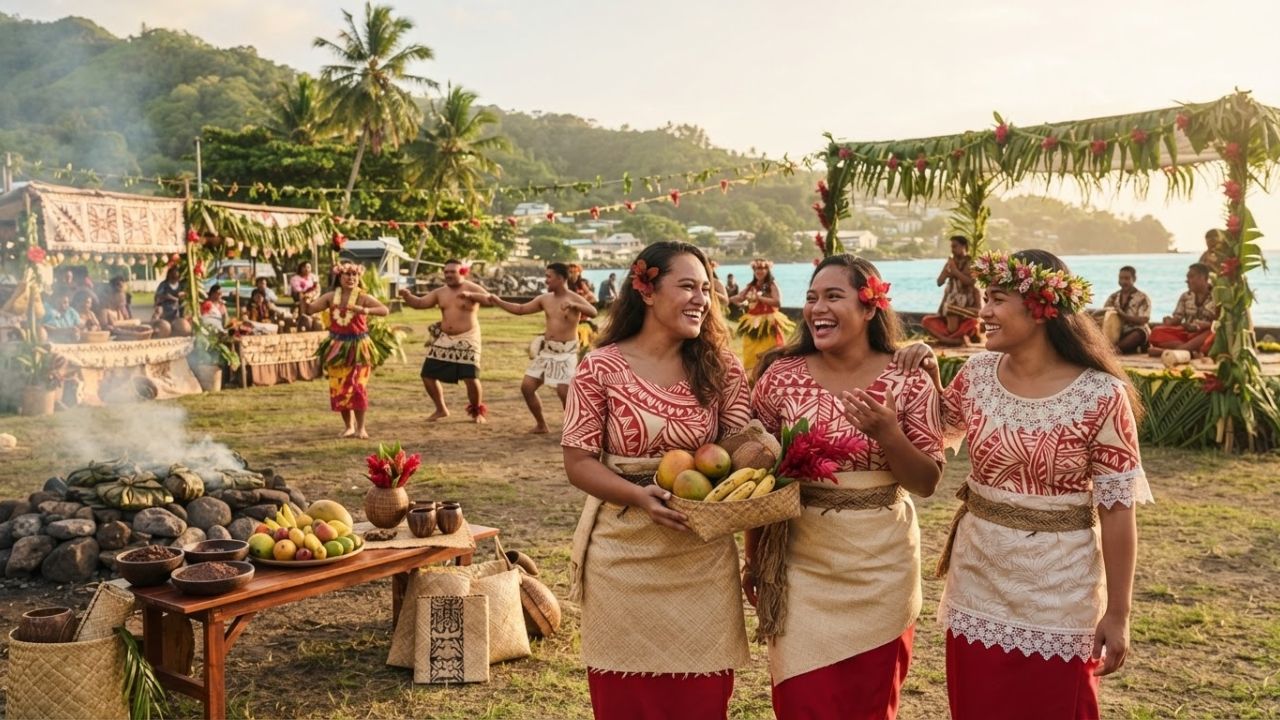
Image generated by AI
The annual Teuila Festival returns to Apia in 2026, bringing Samoa's national red ginger flower to life through traditional siva dance, wood carvings, and umu earth oven cooking across Upolu Island.
Cultural Stage: Apia Hosts Samoa's Largest Heritage Celebration
The capital city of Apia is preparing to host the Teuila Festival 2026, transforming public spaces and coastal venues into active cultural stages. The week-long celebration, named after the national teuila flower (red ginger plant), highlights Samoan and Polynesian heritage through music, dance, cuisine, and traditional crafts.
Organized in cooperation with the Samoa Tourism Authority, the festival is a cornerstone of the country's cultural preservation efforts. Rather than observing commercial attractions, international travelers can interact directly with village representatives, exploring family values and community structures that define the Pacific islands.
Performance Arts: Graceful Siva and Warrior Dances
The festival's primary draw is its celebration of traditional Samoan performance arts, which pass down historical narratives through generation-to-generation storytelling.
The siva, a graceful traditional dance, showcases coordinated hand movements and discipline. The lead dancer, or taupou (usually the daughter of a village chief), performs wearing a traditional tuiga headdress made of human hair, shells, and feathers. Her hands and feet are oiled, and her slow movements represent the calm Pacific waters. This is followed by energetic group dances performed by young men, showcasing the strength and historical warrior traditions of the islands.
Gastronomy: Umu Earth Oven Cooking and Local Harvests
Traditional Samoan food represents the island's connection to agriculture and the Pacific Ocean. During the festival, food stalls in Apia will offer local specialties prepared using coconut, fresh seafood, taro root, breadfruit, and tropical fruits.
A highlight of the culinary program is the demonstration of umu cooking, an ancestral earth oven method where food is wrapped in banana leaves and slow-cooked over hot volcanic stones. Visitors can sample dishes like Palusami (creamy coconut cream wrapped in young taro leaves and baked in the umu) and Panipopo (soft yeast buns baked in sweet coconut milk syrup).
Weaving and Craft Heritage
Local artisans gather in Apia to exhibit traditional skills passed down through families. The festival highlights weaving (using natural pandanus fibers to create mats, fans, and baskets), wood carving (producing ceremonial kava bowls and traditional tools), and siapo (bark cloth decorated with natural dyes).
By purchasing these handmade crafts directly from local artisans, visitors support community-based tourism, ensuring that travel spending remains within rural village economies on Upolu Island.
Environmental Conservation and Beach Fale Lodging
The volcanic terrains, rainforests, and coral reefs of Upolu Island are sensitive to increased visitor volumes. To minimize the ecological footprint, travelers are encouraged to use reef-safe sunscreens, refuse single-use plastics, and conserve freshwater resources during their stay.
Choosing locally owned beach fales (open-sided thatched huts) for lodging directly supports resident families. These eco-tourism initiatives fund municipal projects, protect marine sanctuaries, and encourage low-impact travel along the coastline.
Local Insider Travel Strategies
- Observe Fa'a Samoa (The Samoan Way): Always remove shoes before entering a traditional fale, dress modestly when visiting local villages, and respect the evening prayer time (sa), which is marked by conch shells or bells around dusk.
- Sample Street Food: Try Oka l'a (raw fish marinated in coconut cream, lime juice, and finely chopped vegetables) at the food stalls in Apia.
- Swim Off-Peak: Plan your trip to the To Sua Ocean Trench on Upolu's southern coast during weekdays to enjoy the turquoise tidal pool without the crowds.
- Carry Cash: Local artisans and food vendors at the festival markets rarely accept credit cards. Keep small denominations of Samoan Tala (WST) on hand.
- Explore Nature Trails: Hike the trails at O Le Pupu-Pue National Park to see volcanic rock formations and waterfalls surrounded by native birds.
Long-Term Outlook for South Pacific Cultural Tourism
The continued success of the Teuila Festival demonstrates the viability of community-led cultural tourism in the South Pacific. By prioritizing heritage preservation and environmental conservation over large-scale commercial resorts, Samoa builds a sustainable hospitality sector. The festival ensures that the unique traditions of the Polynesian islands remain preserved for future generations of travelers.
Related Travel Guides
Disclaimer
This article is for informational and educational purposes only. It does not constitute legal, financial, or professional advice. While we strive to provide accurate and up-to-date information, travel policies, regulations, and conditions change rapidly. Always verify information with official sources before making travel decisions. Nomad Lawyer makes no representations about the accuracy, reliability, completeness, or suitability of the information provided. Readers should consult qualified professionals for advice specific to their circumstances. The views expressed in this article are those of the author and do not necessarily reflect the views of Nomad Lawyer.
Raushan Kumar
Founder & Lead Developer
Full-stack developer with 11+ years of experience and a passionate traveller. Raushan built Nomad Lawyer from the ground up with a vision to create the best travel and law experience on the web.
Learn more about our team →