
Royal Caribbean Asia Pacific Expansion 2026-2027 Shifts US Cruise Deployment and Itineraries
Royal Caribbean is repositioning its fleet for a massive Asia Pacific push through 2027, impacting ship availability and long-haul options for US-based cruisers.

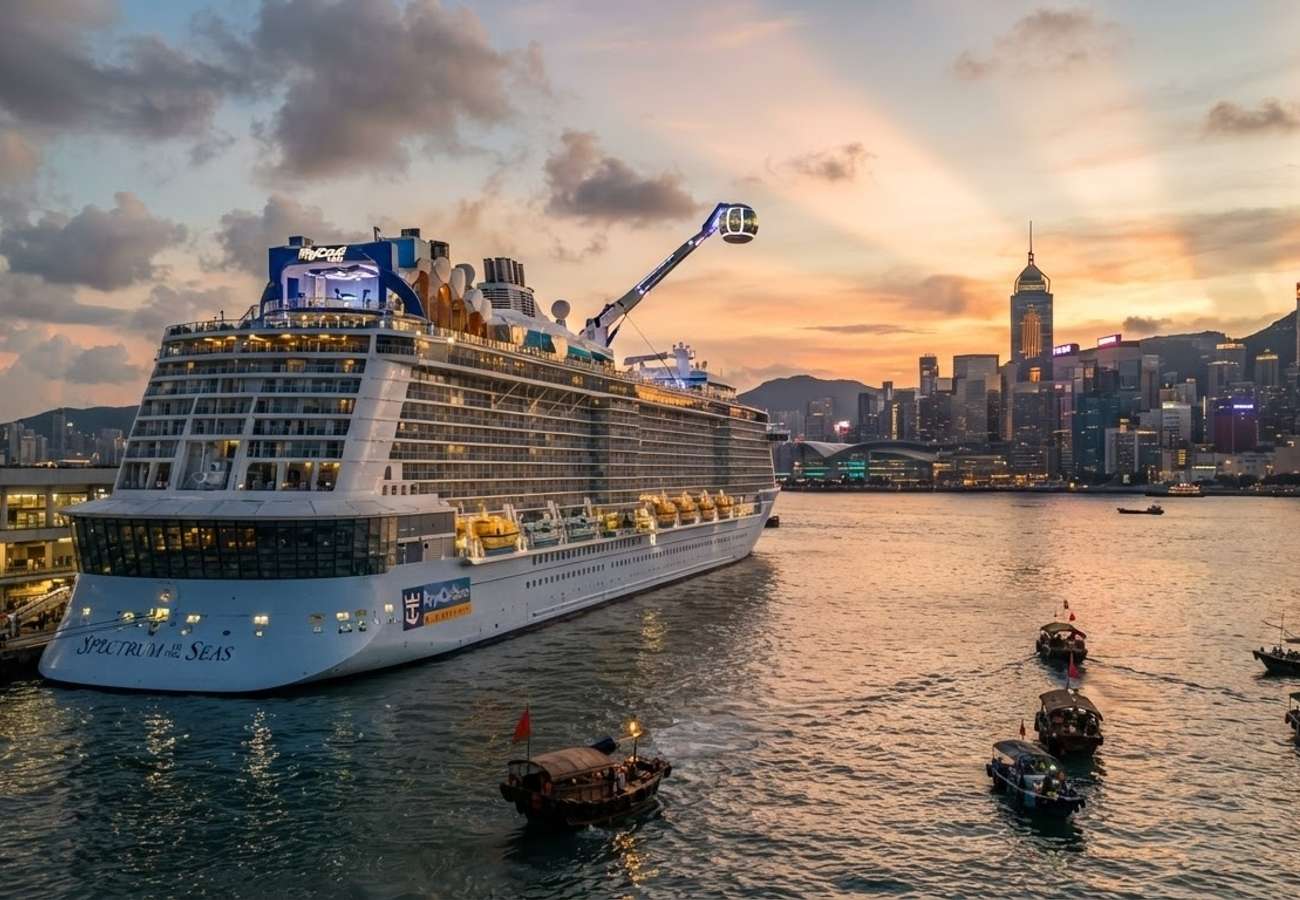
Image generated by AI
US travelers are seeing a structural shift in cruise availability as Royal Caribbean establishes Asia Pacific as a core global pillar, moving key Quantum Class tonnage away from North American shoulder-season routes.
The Strategic Shift to the Far East
Royal Caribbean has transitioned its Asia Pacific operations from a seasonal niche into a permanent strategic counterweight to its Caribbean dominance. Deployment schedules for 2025 through 2027 confirm that Spectrum of the Seas will operate year-round from Shanghai and Hong Kong. This move signals a definitive return to a market that remained largely dormant for several years, now supported by expanded capacity across Taiwan, South Korea, Japan, and Southeast Asia.
The current strategy utilizes a tiered fleet approach. While the record-breaking Icon Class vessels remain concentrated in Florida and Caribbean homeports, the Asia Pacific expansion relies on Quantum Class ships. These vessels are specifically tailored for regional preferences, featuring expanded dining concepts, larger family staterooms, and high-tech entertainment like skydiving simulators and the North Star observation pods to cater to multigenerational travel patterns common in Asian markets.
For the US-based traveler, this pivot creates a new "division of labor" within the brand. The Caribbean is now the primary destination for the massive Oasis and Icon Class experiences, while Asia has become the stronghold for the tech-forward Quantum Class.
Impact on US Homeports and Itineraries
The redistribution of ships is not without trade-offs for North American guests. As more Quantum Class ships are locked into firm Asia Pacific rotations, there is a noticeable reduction in flexibility for West Coast and Hawaii routes during shoulder seasons. Ships that previously split their time between the US and Asia are now more likely to remain overseas.
However, this shift encourages a move toward "fly-cruise" vacations. US guests are increasingly opting for long-haul journeys that combine city stays in hubs like Shanghai or Hong Kong with multi-country voyages. These itineraries frequently include marquee stops in Tokyo, Osaka, Okinawa, Busan, Kyoto, Jeju, and Taipei.
Cultural and Environmental Value
The shift toward Asia Pacific deployment allows for a more immersive engagement with regional heritage. By basing ships in Shanghai and Hong Kong, Royal Caribbean enables travelers to experience the Far East through a lens of sustainable regional tourism rather than brief, disconnected port calls.
For the visitor, the real impact is the ability to blend high-capacity luxury with deep cultural exploration. The move supports local economies in secondary ports across Japan and South Korea, distributing tourism revenue beyond the typical land-based hotspots. By utilizing ships designed for multigenerational travel, the line is fostering a more inclusive form of cultural exchange that brings families of all ages into contact with Asian heritage sites and urban centers.
Visitor Insider Tips
Navigating a transpacific cruise requires more foresight than a standard Caribbean getaway. To maximize the experience, consider these local insights:
- The Booking Window: Unlike domestic sailings, Asia cruises require a longer planning horizon. Align your booking with transpacific flight availability from hubs like Los Angeles, San Francisco, or Seattle to avoid price spikes.
- Visa Navigation: Documentation requirements vary wildly between China, Japan, and South Korea. Check current visa policies at least six months in advance, as cruise-specific shore excursions sometimes offer simplified entry permits.
- The "City-Cruise" Hybrid: To avoid jet lag, schedule a 3-to-5 day pre-cruise stay in Hong Kong or Shanghai. This allows you to experience the urban center before embarking on the more relaxed pace of the voyage.
- Dining Etiquette: On Quantum Class ships in Asia, dining concepts are often adjusted. Be open to regional specialties that differ from the standard Royal Caribbean menu found in the US.
Tourism Outlook
The long-term trajectory suggests that Royal Caribbean will continue to recalibrate the balance between its US and Asian deployments. As more Icon Class ships enter the Caribbean fleet, the company can afford to maintain a permanent, high-capacity presence in the East. This evolution means that for the American traveler, the "boldest" new experiences will increasingly require a passport and a transpacific flight. The competitive ripple effect is already visible, as other global lines refine their Asian footprints to keep pace with this structural shift.
The era of the seasonal Asia cruise is over; the era of the permanent Pacific presence has arrived.
Related Travel Guides
Disclaimer
This article is for informational and educational purposes only. It does not constitute legal, financial, or professional advice. While we strive to provide accurate and up-to-date information, travel policies, regulations, and conditions change rapidly. Always verify information with official sources before making travel decisions. Nomad Lawyer makes no representations about the accuracy, reliability, completeness, or suitability of the information provided. Readers should consult qualified professionals for advice specific to their circumstances. The views expressed in this article are those of the author and do not necessarily reflect the views of Nomad Lawyer.
Raushan Kumar
Founder & Lead Developer
Full-stack developer with 11+ years of experience and a passionate traveller. Raushan built Nomad Lawyer from the ground up with a vision to create the best travel and law experience on the web.
Learn more about our team →