
Royal Caribbean Independence of the Seas Performer Injury: Guide to Cruise Ship Medical Logistics 2026
Analyzing the logistics of medical emergencies and performer injuries aboard Royal Caribbean's Independence of the Seas, including onboard care protocols and port disembarkation procedures.

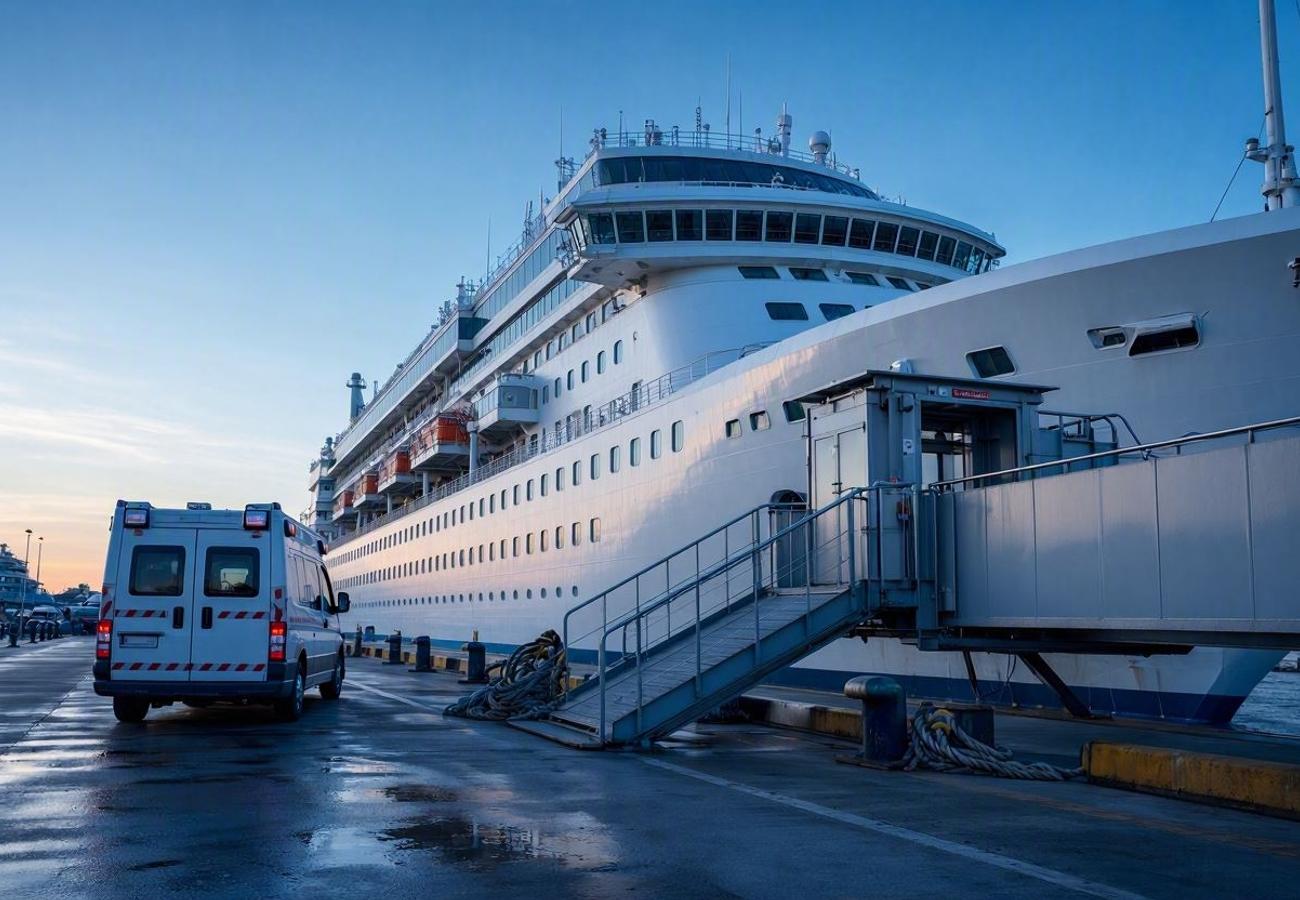
Image generated by AI
Are you concerned about the medical capabilities of your next cruise or wondering why you see ambulances waiting at the pier during disembarkation? Understanding the logistics of onboard healthcare is essential for any frequent traveler, especially when witnessing high-profile incidents like the recent performer injury aboard Royal Caribbean's Independence of the Seas.
The Independence of the Seas Performance Incident
During a recent 5-night Bermuda itinerary, a professional skater performing in one of the ship's signature ice shows suffered a significant fall. Witnesses reported that the entertainer was visibly shaken and appeared to be in substantial pain, though she attempted to complete a pirouette before exiting the stage.
The incident highlights a frequent but rarely discussed aspect of cruise logistics: the physical risk faced by crew members performing on a moving vessel. While passengers often view these shows as seamless entertainment, the reality involves navigating a shifting environment. In this specific case, the performer's distress was noted by passengers, and an ambulance was observed at the dock during the following morning's disembarkation.
However, seasoned cruisers and former crew members suggest that the presence of an ambulance does not always indicate a catastrophic outcome. On ships carrying thousands of people, medical transfers are a daily operational reality. From chronic illness flare-ups to orthopedic injuries, the transition from ship to shore is a highly choreographed logistical process managed by the ship's medical team and port authorities.
Cruise Incident Data and Trends
To understand the scale of these events, it is necessary to look at industry-wide statistics. Injuries on cruise ships occur at a rate of roughly one incident per 1,000 cruise ship days annually. More sobering is the fact that approximately 200 deaths occur on ships each year, averaging 3 to 4 per week.
The following table outlines various reported incidents from 2025, illustrating the diversity of medical and technical challenges cruise lines manage:
| Date | Incident Type | Ship | Details of the Incident |
|---|---|---|---|
| 2025 Q1 | Reported Crimes | Industry-wide | 48 alleged crimes reported to FBI (33 sexual assaults) |
| 2025 Feb 26 | Injury / Overboard | Serenade of the Seas | Crew or passenger injury/overboard event |
| 2025 Feb 27 | Injury / Overboard | MSC Divina | Crew or passenger injury/overboard event |
| 2025 Mar | Virus Outbreak | Coral Princess | Gastrointestinal illness / virus outbreak |
| 2025 Mar | Medevac | Sun Princess | Coast Guard medical evacuation |
| 2025 Apr 08 | Technical Issue | Sky Princess | Structural and technical issues |
| 2025 Jun 25 | Medevac | Icon of the Seas | Coast Guard medical evacuation |
| 2025 Jul 19 | Propulsion Loss | Celebrity Beyond | Propulsion and power loss incident |
| 2025 Sep 20 | Weather / Storm | Vision of the Seas | Severe storm impact incident |
| 2025 Q4 | Crime Report | Royal Caribbean | Led all lines in DOT-reported crimes for final quarter |
Traveler Logistics Guide: Navigating Shipboard Medicals
When a medical emergency occurs—whether it involves a crew member or a passenger—the response follows a strict protocol. If you find yourself needing medical attention or witnessing an incident, here is the logistical reality of how it is handled.
1. Onboard Stabilization Modern ships, particularly those operated by Royal Caribbean, feature medical centers that are far more advanced than a standard clinic. They are equipped to stabilize fractures, treat acute illnesses, and manage cardiac events. For a performer's orthopedic injury, the ship's doctors focus on stabilization and pain management before deciding if a shore-side specialist is required.
2. The Medevac Process If a condition is life-threatening, the ship will coordinate a medical evacuation (Medevac). This often involves the United States Coast Guard or local maritime authorities using helicopters to lift patients from the deck. If the ship is already in port, the patient is transferred via stretcher to a waiting ambulance.
3. Disembarkation Logistics Passengers often notice ambulances at the pier during the morning rush. Logistically, the most severely injured or ill passengers are prioritized for removal. They are often the first to leave the ship, escorted by medical staff before the general passenger population begins the disembarkation process.
4. Documentation and Insurance If you are injured, ensure you obtain a detailed medical report from the onboard physician before leaving the ship. This documentation is vital for insurance claims. Most cruise lines require a primary insurance provider, but specialized travel insurance is recommended to cover the high cost of emergency airlifts.
The Royal Caribbean Independence of the Seas performer injury has raised concerns about cruise ship medical logistics, with many wondering what happens in the event of an emergency at sea. According to the United States Coast Guard, cruise ships are required to have adequate medical facilities and personnel on board to handle emergencies. In the event of a serious injury, the ship may divert to the nearest port or evacuate the injured passenger via helicopter or other means.
Regional Connectivity and Medical Impact
The impact of these incidents often ripples through the ship's operational schedule. While a single performer's injury rarely delays a vessel, major medical emergencies or technical failures can lead to diversions. For example, medical evacuations can force a ship to alter its course to reach the nearest capable hospital, potentially skipping a scheduled port of call.
In the case of the Independence of the Seas, the incident was managed internally without affecting the 5-night Bermuda itinerary. This demonstrates the efficiency of cruise medical logistics: the ability to treat a patient and coordinate a land-based transfer without disrupting the experience of the other 4,000+ passengers.
For those traveling through high-traffic hubs, it is also worth noting that port cities have dedicated protocols for cruise arrivals. The coordination between the ship's purser and the local emergency medical services (EMS) ensures that the transition from the gangway to the hospital is seamless, minimizing the visibility of the emergency to the general public.
FAQ: Cruise Medical Logistics 2026
Do I need a special visa for a medical diversion? Usually, no. In the event of a medical emergency that forces a ship to dock in an unscheduled country, the cruise line coordinates with local authorities to grant temporary landing permits for the affected individuals and their immediate guardians.
How long is the wait for medical care on a ship? Triage is used. Life-threatening emergencies are seen immediately. For minor injuries (cuts, nausea, mild pain), wait times can vary based on the ship's current "medical load," which can be high during virus outbreaks.
Can I check my bags through if I am being medevacked? The ship's crew handles the logistics of your luggage. If you are evacuated, your belongings are typically secured and either delivered to your home or held at the port authority for pickup by a designated contact.
Are cruise ship doctors specialists? Most are general practitioners or emergency medicine specialists. While they can stabilize a wide range of issues, they are not surgeons or specialists. Complex procedures always require transfer to a land-based facility.
Stay informed on the protocols of the sea to ensure your next voyage is as safe as it is scenic.
Related Travel Guides
Disclaimer
This article is for informational and educational purposes only. It does not constitute legal, financial, or professional advice. While we strive to provide accurate and up-to-date information, travel policies, regulations, and conditions change rapidly. Always verify information with official sources before making travel decisions. Nomad Lawyer makes no representations about the accuracy, reliability, completeness, or suitability of the information provided. Readers should consult qualified professionals for advice specific to their circumstances. The views expressed in this article are those of the author and do not necessarily reflect the views of Nomad Lawyer.
Kunal K Choudhary
Co-Founder & Contributor
A passionate traveller and tech enthusiast. Kunal contributes to the vision and growth of Nomad Lawyer, bringing fresh perspectives and driving the community forward.
Learn more about our team →