
Roomette vs Bedroom: Amtrak Sleeper Car Comparison 2026
Amtrak roomette and bedroom sleeper cars offer different space, comfort, and pricing for 2026 long-distance rail travel. Compare layouts, amenities, and costs to choose your ideal accommodation.

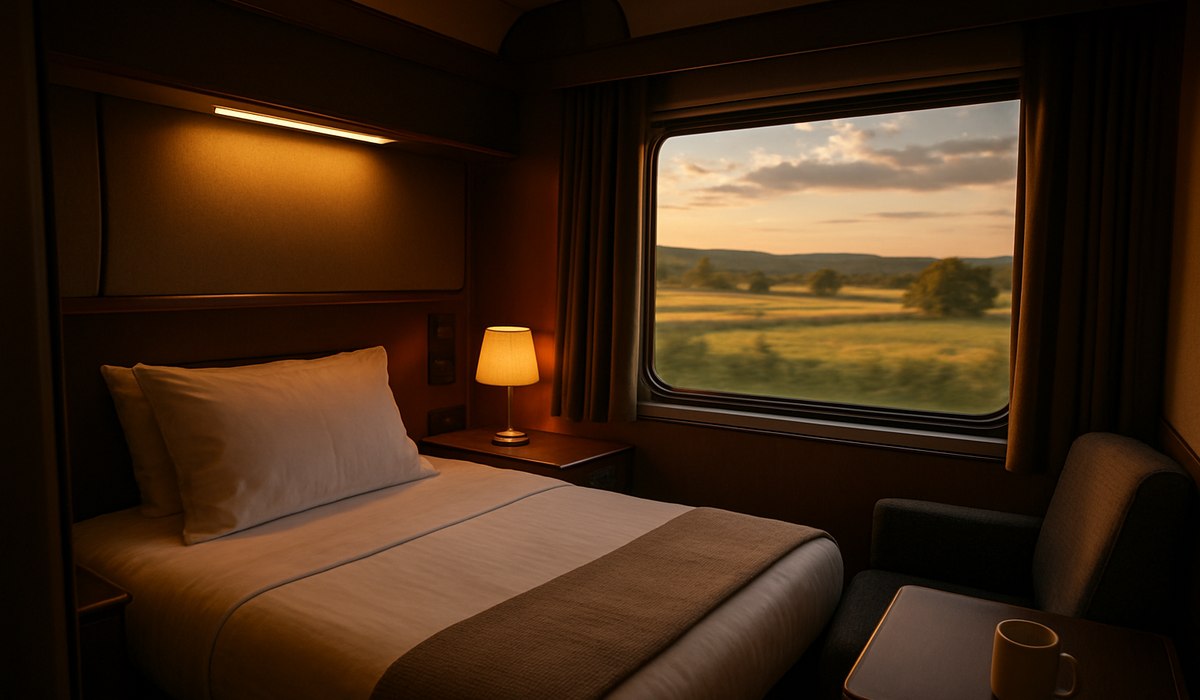
Image generated by AI
Planning Your Amtrak Sleeper Car Experience
Amtrak's roomette and bedroom accommodations represent two distinct approaches to overnight rail travel across North America. Whether you're booking a multi-day journey on the Coast Starlight, Empire Builder, or Southwest Chief, understanding the differences between these sleeper compartments directly impacts your comfort and budget. This 2026 comparison guide helps long-distance train travelers make informed choices based on space, amenities, pricing, and personal travel preferences.
Roomette Overview: Layout and Features
Roomettes are Amtrak's entry-level sleeper car option, designed for one or two passengers seeking private accommodation without premium square footage. Each roomette measures approximately 50 square feet and features two comfortable seats that convert into bed configurations at night. During daytime hours, the upper berth folds against the ceiling, creating additional standing room and workspace.
Roomette amenities include a private sink, toilet, and climate control. Windows provide scenic views throughout your journey. Bedding, towels, and basic toiletries arrive with turndown service. A small folding table accommodates meals or work. Roomettes lack shower facilities, though many long-distance trains offer complimentary shower access in dedicated spa cars. Compared to standard coach seating, roomettes provide sound insulation and door locks for privacy during sleep cycles on extended train rides.
Most Amtrak roomettes accommodate two adults comfortably or one adult with a child. The layout requires careful packing due to limited storage space. Passengers typically store luggage under seats or in overhead compartments shared along the sleeper corridor.
Bedroom Overview: Layout and Features
Amtrak bedrooms represent the premium sleeper car tier, doubling the space and amenities of roomettes. Each bedroom spans approximately 100 square feet, offering substantially more movement and storage capacity. The bedroom layout includes an enclosed toilet and shower, distinguishing it significantly from roomette accommodations.
Bedrooms feature a lower bed plus upper berth configuration, similar to roomettes, but with enhanced comfort and spacing. Two chairs with a table create a daytime sitting area. Large windows span multiple panes, maximizing natural light and landscape views. Premium bedding, luxury toiletries, and personalized turndown service accompany each booking.
A key distinction is shower access—bedroom passengers enjoy private shower facilities rather than relying on spa car amenities. This feature proves invaluable during multi-day journeys spanning 60+ hours. Climate control, door locks, and soundproofing match roomette standards. Bedrooms typically accommodate two adults plus one child, with rollaway beds available upon request for larger groups.
Storage space includes under-bed compartments, closets, and shelving—addressing the constraint many roomette passengers face. Bedroom passengers also receive complimentary dining car access and priority seating reservations.
Space and Comfort Comparison
The fundamental difference separating roomette vs bedroom accommodations comes down to square footage and daily living. Roomettes provide 50 square feet; bedrooms offer 100 square feet—twice the usable space for movement, luggage storage, and meal preparation.
Roomette travelers sacrifice shower access, relying instead on spa car facilities available during designated hours. For journeys under 24 hours, this limitation rarely impacts passenger satisfaction. Extended trips to the Pacific Coast or through mountain passes justify bedroom upgrades for passengers prioritizing convenience.
Standing room differs dramatically between options. Roomettes require careful movement between berths and seats. Bedrooms accommodate easier navigation without contacting furniture during dressing or nighttime movements. Families with children often prefer bedroom accommodations, given the additional square footage and privacy.
Comfort ratings favor bedrooms for extended journeys lasting three or more days. Roomette passengers frequently report contentment on overnight trips under 18 hours. Window positioning, ceiling height, and ambient lighting remain comparable between both accommodation types.
Luggage capacity heavily favors bedrooms. Two passengers sharing a roomette must pack strategically, often limiting bags to essentials. Bedroom closet space accommodates standard rolling luggage without floor placement.
Price Comparison and Value
Roomette pricing typically ranges from $400–$800 per night depending on season, route, and demand. Summer travel and holiday periods command premium rates. Off-season bookings, particularly October through March, offer substantial discounts. A three-night roomette on the Lake Shore Limited from Chicago to New York averages $1,200–$1,500 total.
Bedroom accommodations cost $1,200–$2,500 per night, representing a 200–300% premium over roomette fares. Multi-day bedroom bookings on the California Zephyr may reach $5,000–$7,000 for the full journey. However, bedroom packages include complimentary dining, shower access, and cabin beverages—features unavailable to roomette passengers.
Value analysis depends on trip duration and personal priorities. Roomettes offer superior value for overnight journeys. Bedrooms provide better per-night value for extended routes lasting four or more days, when shower access and space justify premium costs. Budget-conscious travelers weighing roomette vs bedroom options should consider total journey cost beyond nightly rates.
Amtrak frequently offers flash sales and early-booking discounts for both accommodation types. Booking 60–90 days in advance typically yields 10–25% savings compared to last-minute purchases.
Which Option Suits Your Travel Style
Selecting roomette vs bedroom accommodations hinges on individual priorities, journey length, and budget constraints.
Choose roomettes if you're traveling solo, prefer shorter overnight journeys, pack light, and value cost efficiency. Business travelers connecting cross-country in 20 hours find roomettes perfectly adequate. Adventure seekers prioritizing scenery over accommodation luxury maintain comfort without premium pricing.
Select bedrooms for multi-day journeys exceeding 48 hours, family travel with children, or preference for shower facilities and enhanced privacy. Luxury-minded travelers, couples celebrating anniversaries, or passengers with mobility considerations benefit from bedroom space and amenities. Professional remote workers requiring workspace and reliable WiFi appreciate bedroom configurations supporting extended stays.
Group travel dynamics matter significantly. Four travelers splitting bedroom costs often pay less per person than roomette accommodations. Three or more adults typically find bedrooms more economical when dividing expenses.
Route difficulty influences choices too. Mountain passages and scenic corridors justify bedroom upgrades for maximum window enjoyment. Cross-country routes with multiple stops benefit from bedroom shower access between urban explorations.
How to Book the Best Fare
Secure optimal roomette vs bedroom pricing through strategic booking timing and channel selection.
Visit Amtrak's official website directly rather than third-party agents, as Amtrak frequently offers exclusive booking incentives. Select your origin and destination stations, journey date, and accommodation preference. Compare roomette and bedroom pricing simultaneously to evaluate options side-by-side.
Register for Amtrak Guest Rewards program before booking—members receive 10% discounts on most accommodations and earning potential for future travel credits. Check the program's flash sale calendar for limited-time bedroom or roomette promotions.
Set price alert notifications for specific routes. Amtrak adjusts availability and pricing daily based on demand. Booking during off-peak seasons (January, September, October) yields 20–40% savings versus peak travel periods.
Use Trainline as a secondary comparison resource for viewing available options across multiple carriers and dates. The platform helps identify price trends and optimal booking windows.
Book multi-night journeys 60–90 days in advance. Early bookings secure inventory at lower per-night rates. Conversely, some routes release last-minute roomette discounts 7–14 days before departure when occupancy targets remain unmet.
Flexible travel dates dramatically impact pricing. Mid-week departures (Tuesday
Disclaimer
This article is for informational and educational purposes only. It does not constitute legal, financial, or professional advice. While we strive to provide accurate and up-to-date information, travel policies, regulations, and conditions change rapidly. Always verify information with official sources before making travel decisions. Nomad Lawyer makes no representations about the accuracy, reliability, completeness, or suitability of the information provided. Readers should consult qualified professionals for advice specific to their circumstances. The views expressed in this article are those of the author and do not necessarily reflect the views of Nomad Lawyer.
Kunal K Choudhary
Co-Founder & Contributor
A passionate traveller and tech enthusiast. Kunal contributes to the vision and growth of Nomad Lawyer, bringing fresh perspectives and driving the community forward.
Learn more about our team →