
Romblon Philippines Deploys SASINAG Smart Kiosks to Drive Sustainable Tourism Growth in 2026
San Agustin, Romblon, integrates the SASINAG Smart Kiosk and renewable energy infrastructure to modernize island tourism and enhance visitor navigation in 2026.

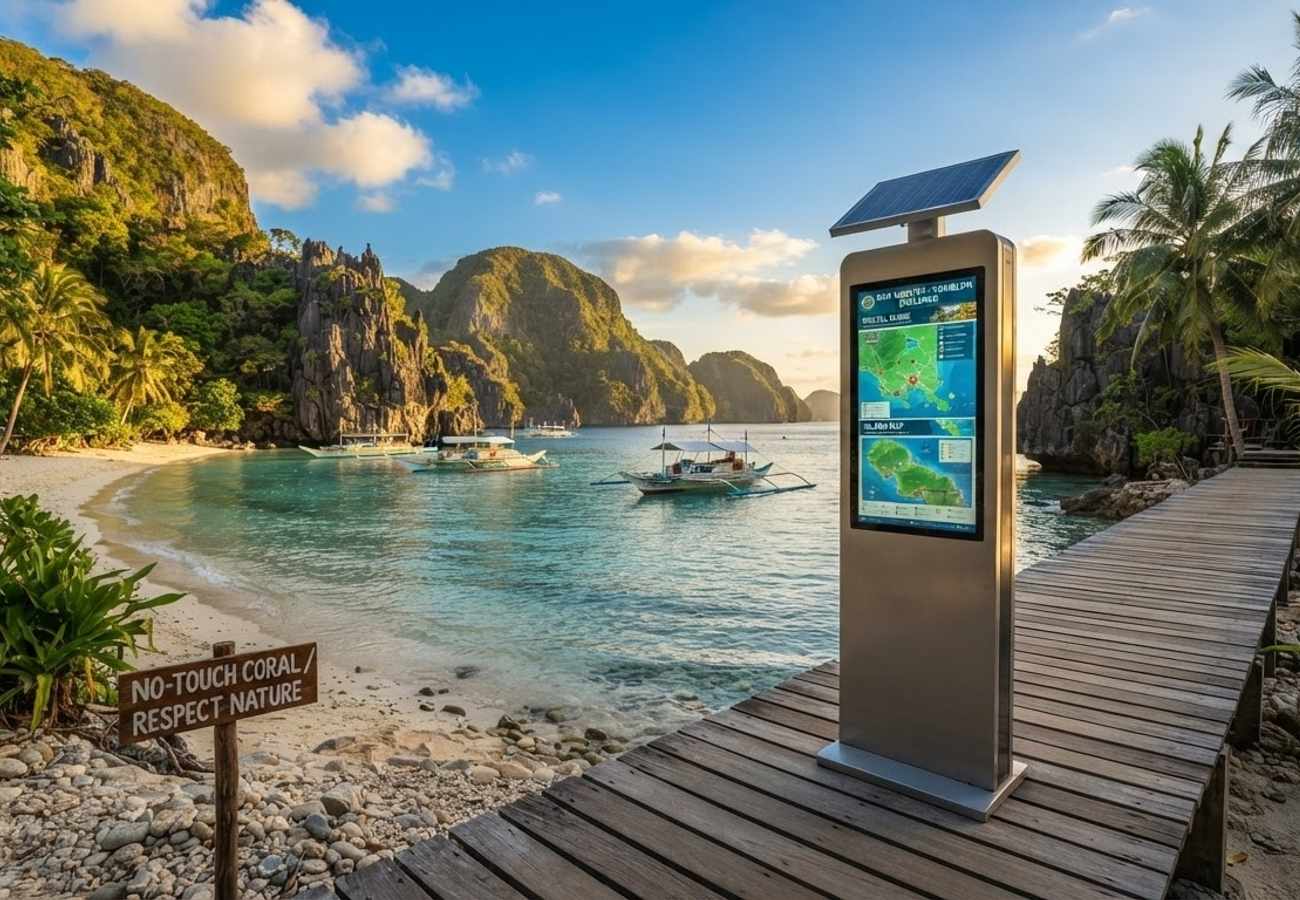
Image generated by AI
The Department of Science and Technology (DOST)-MIMAROPA officially launched the SASINAG Smart Kiosk on August 16, 2026, transforming San Agustin into a tech-enabled "smart island" destination.
The shift toward smart tourism in San Agustin, Romblon, marks a departure from traditional, staff-dependent visitor centers. By integrating digital navigation, disaster preparedness, and renewable energy, the region is addressing the historical barriers of island travel—namely inconsistent information and remote connectivity.
The Digital Gateway: SASINAG Smart Kiosks
The San Agustin Smart Information, Navigation, and Access Gateway (SASINAG) is an interactive digital hub designed to provide 24/7 access to essential travel data. For the traveler, this removes the guesswork associated with island hopping. The system provides real-time guidance on:
- Destination Logistics: Updated transport means, ferry schedules, and travel routes.
- Local Infrastructure: Verified accommodation lists and emergency contact numbers.
- Economic Discovery: Directories for local products, artisans, and community-based services.
In an environment where weather conditions and maritime schedules frequently shift, having a centralized, digital source of truth reduces traveler anxiety and encourages the exploration of under-visited sites beyond the primary hubs.
Environmental Integration and Eco-Tourism Value
The technological push in Romblon extends beyond visitor screens to the very ecosystems that attract tourists. The regional strategy emphasizes that "smart tourism" is meaningless without environmental preservation.
A key component of this is the Modular Ecology-friendly Domestic Wastewater (MEDOWW) Treatment Facility at the Looc Fish Sanctuary. By managing wastewater generated by tourism activities, the facility protects the marine biodiversity essential for diving and snorkeling. This ensures that the growth in visitor numbers does not degrade the natural assets of the province.
Furthermore, the introduction of the Solar Energy System (SES) Mini Ice Plant Facility in Barangay Carmen strengthens the local fisheries supply chain. While not a tourist attraction itself, this renewable energy project ensures that local resorts and restaurants have a consistent supply of fresh seafood, directly linking sustainable energy to the quality of the visitor experience.
Visitor Insider Tips for San Agustin
Navigating Romblon requires a blend of high-tech tools and old-school preparation. To maximize a trip to San Agustin, keep these local insights in mind:
- The Connectivity Gap: While SASINAG kiosks provide vital data, mobile signal remains spotty in remote areas like Mount Guiting-Guiting or Tinagong Dagat. Download offline maps and save kiosk-provided contact numbers before heading into the highlands.
- Timing the Tides: Ferry schedules in the MIMAROPA region are subject to sudden changes based on maritime advisories. Always verify your return trip 24 hours in advance.
- Hidden Gems: Use the kiosks to find "community-based tourism" experiences. Moving beyond the famous Bonbon Beach and Cresta de Gallo allows visitors to support local artisans and small-scale farmers directly.
- Eco-Etiquette: When visiting the Looc Fish Sanctuary, adhere strictly to "no-touch" policies. The MEDOWW facility is working to keep waters clean, but visitor behavior is the primary line of defense for the reefs.
Tourism Outlook and Regional Impact
While official government footfall data for July and August 2026 has not yet been released by the Philippine Statistics Authority or the Department of Tourism, the infrastructure investment suggests an expectation of significant growth.
The long-term goal is a "distributed tourism" model. By using digital platforms to highlight lesser-known locations, Romblon can prevent the over-tourism of a few sites while spreading economic benefits across smaller barangays. The integration of STARBOOKS digital libraries in schools, such as the San Agustin National Trade School, further ensures that the local youth are equipped with the digital literacy needed to manage these new tourism systems.
The transition to smart island tourism ensures that Romblon remains a sanctuary of nature without sacrificing the efficiency of the modern travel experience.
Related Travel Guides
Disclaimer
This article is for informational and educational purposes only. It does not constitute legal, financial, or professional advice. While we strive to provide accurate and up-to-date information, travel policies, regulations, and conditions change rapidly. Always verify information with official sources before making travel decisions. Nomad Lawyer makes no representations about the accuracy, reliability, completeness, or suitability of the information provided. Readers should consult qualified professionals for advice specific to their circumstances. The views expressed in this article are those of the author and do not necessarily reflect the views of Nomad Lawyer.
Kunal K Choudhary
Co-Founder & Contributor
A passionate traveller and tech enthusiast. Kunal contributes to the vision and growth of Nomad Lawyer, bringing fresh perspectives and driving the community forward.
Learn more about our team →