
Riyadh King Khalid International Airport Hits Maximum Disruption Level Following Smoke Reports 2026
Flightradar24 flagged major operational chaos at Riyadh's King Khalid International Airport on September 19, 2026, as reports of smoke and flames near the facility triggered widespread cancellations and delays.

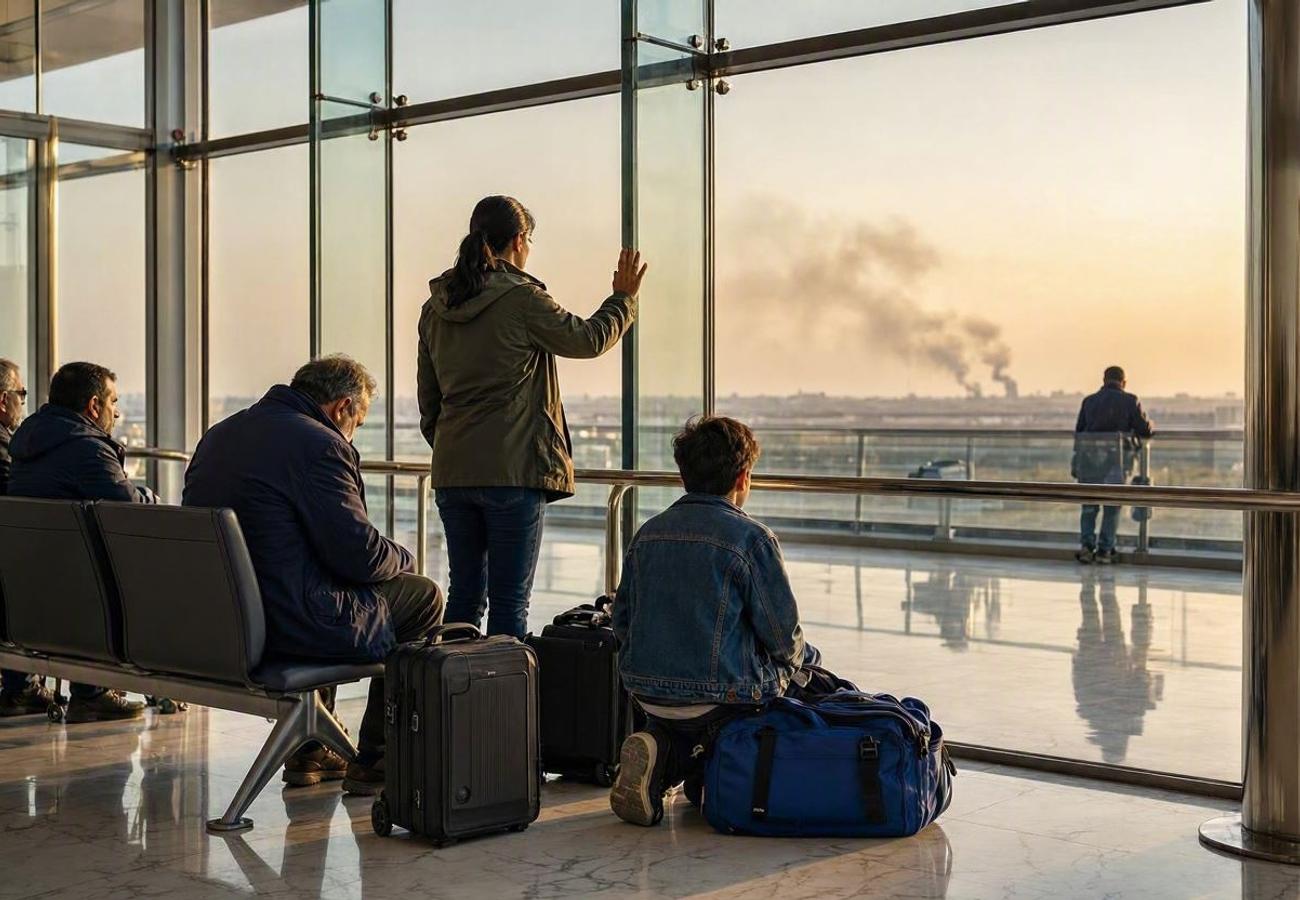
Image generated by AI
[Riyadh, September 19, 2026] — King Khalid International Airport (RUH) experienced severe operational instability on Saturday, with flight-tracking data indicating the hub reached its highest level of disruption. The chaos follows reports of smoke and flames observed in the vicinity of the airport, triggering a wave of flight cancellations and extended delays across one of Saudi Arabia's primary aviation gateways.
The disruption was first highlighted by Flightradar24, which flagged "major problems" at the facility. While the overall disruption rating fluctuated throughout the day, live departure data confirmed a heavy volume of delayed flights and several outright cancellations. These interruptions occurred against a backdrop of heightened regional insecurity and an overnight air-raid alert in Saudi Arabia, linked to intensified conflict in neighboring Yemen during September 2026.
Smoke Reports and Regional Tensions
The immediate trigger for the operational slowdown appears to be reports from local residents who witnessed smoke and flames near the airport perimeter. In aviation environments, such incidents—even those occurring outside the immediate terminal buildings—often necessitate temporary restrictions on runway usage and airside movement to ensure safety and security.
This event coincided with an overnight air-raid alert, reflecting the volatile security climate in the region. While official government sources have not yet provided a definitive cause for the smoke, the combination of safety alerts and physical sightings created a cascading effect on flight schedules.
When safety-related restrictions are imposed, the impact is rarely limited to a single window of time. Aircraft arriving late from previous rotations cause "knock-on" delays, and flight crews may reach their legal duty limits, forcing airlines to cancel flights entirely to reposition staff.
Scope of Impact at RUH
King Khalid International Airport serves as a critical node for both domestic Saudi travel and regional Gulf connectivity. Because the airport manages high-density departure banks, even a brief interruption can lead to immediate gate congestion and massive departure queues.
The following table outlines the specific areas of impact:
| Impact Category | Effect Observed | Primary Cause |
|---|---|---|
| Domestic Flights | Frequent short-notice cancellations | Crew timeouts and aircraft repositioning |
| Regional Gulf Routes | Extended departure delays | Gate congestion and airside restrictions |
| Long-Haul Services | Schedule consolidation | Protection of international connectivity |
| Infrastructure | Reduced flexibility | Pre-existing NOTAMs and taxiway works |
Beyond the smoke incident, the airport was already operating under certain constraints. Current Notices to Air Missions (NOTAMs) for mid-September indicated temporary closures of specific aircraft stands and portions of taxiway infrastructure due to phased airfield works. While these works typically do not cause major delays, they significantly reduce the airport's ability to absorb shocks when an emergency occurs.
Practical Traveler Advisory and Strategic Insights
For passengers currently booking or traveling through Riyadh, the "disruption" label serves as a critical early warning. However, because airlines update their operational decisions in real-time, individual flight outcomes may differ from the general airport status.
Immediate Passenger Impact:
- Digital Over Terminal: Airline mobile apps are currently updating boarding times and aircraft assignments faster than the physical display boards in the terminals.
- Connection Risks: Passengers with tight connections must track the actual location of their inbound aircraft via flight trackers rather than relying on the scheduled departure time.
- Financial Contingencies: Travelers facing overnight delays should retain all receipts for food and lodging. Many carriers are expected to provide meal vouchers or hotel accommodations, though this varies by airline policy.
- Visa Requirements: Those rerouted through alternative hubs due to RUH cancellations must immediately verify if their current transit visas are valid for the new destination country.
Travelers are urged to coordinate directly with their carriers or check the General Authority of Civil Aviation (GACA) for official regulatory updates regarding Saudi airspace.
Recovery Timeline and Outlook
As flight operations resume, schedules are expected to remain uneven. The process of stabilizing a network after a major hub disruption involves repositioning aircraft and crews that were displaced during the peak of the crisis.
Passengers affected by the disruption at King Khalid International Airport are advised to monitor their flight status and manage bookings via the flynas official portal. Travelers should coordinate directly with their carriers for rebooking options and updated departure schedules.
Passengers scheduled for subsequent departure banks may continue to see rolling delays. The recovery phase typically involves airlines prioritizing long-haul flights to minimize global network impact, which often leaves short-haul domestic routes more susceptible to further cancellations.
Air traffic controllers and airport management are working to clear the backlog of delayed departures, but the presence of ongoing airfield construction means that recovery may be slower than usual.
FAQ: Riyadh Airport Disruption 2026
What should I do if my flight from RUH is cancelled? Prioritize your airline's mobile app for the fastest rebooking options. If the app is unresponsive, proceed to the airline's transfer desk or customer service counter. Keep all receipts for unplanned expenses to claim reimbursement later.
Are the delays caused by the airfield construction? The primary cause of the current disruption is the reported smoke and safety alerts. However, ongoing taxiway works and stand closures have reduced the airport's operational flexibility, making the delays more severe.
How can I check if my plane has actually departed its origin city? Use a live flight-tracking service like Flightradar24 to monitor your specific flight number. This allows you to see if the aircraft is delayed at its previous destination before it even arrives in Riyadh.
Will I need a new visa if I am rerouted? Yes, if your airline reroutes you through a different country to avoid the Riyadh disruption, you must check the visa requirements for that specific transit country immediately.
Flight schedules remain volatile as RUH works to clear the backlog.
Related Travel Guides
Disclaimer
This article is for informational and educational purposes only. It does not constitute legal, financial, or professional advice. While we strive to provide accurate and up-to-date information, travel policies, regulations, and conditions change rapidly. Always verify information with official sources before making travel decisions. Nomad Lawyer makes no representations about the accuracy, reliability, completeness, or suitability of the information provided. Readers should consult qualified professionals for advice specific to their circumstances. The views expressed in this article are those of the author and do not necessarily reflect the views of Nomad Lawyer.
Naina Thakur
Contributor & Travel Specialist
Travel enthusiast and legal writer covering visa regulations, responsible tourism, and cultural journeys across global destinations.
Learn more about our team →