
Rising visa demand forces Indian students to accelerate US appointment planning for Fall 2026
Indian students targeting Fall 2026 US universities face unprecedented rising visa demand and compressed timelines. Early planning and expedited appointment booking are now essential for securing student visa slots amid surging competition.

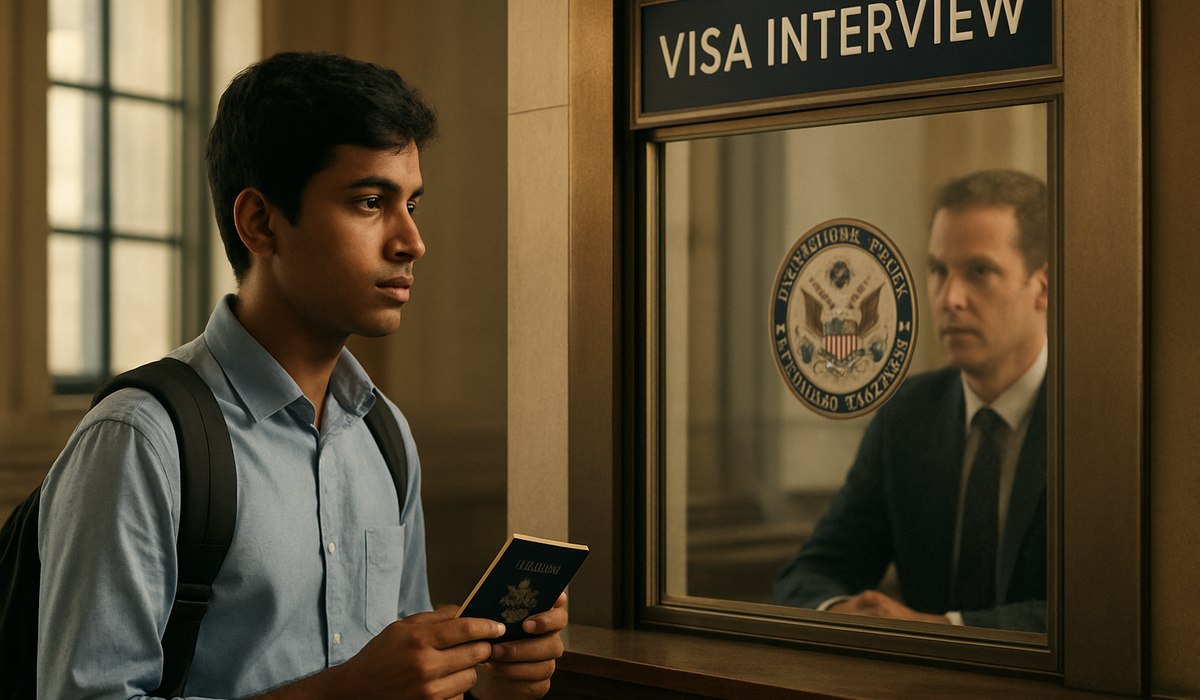
Image generated by AI
Indian Students Face Unprecedented Pressure as Rising Visa Demand Hits US Intake Timeline
Indian students planning to pursue higher education in the United States for Fall 2026 are encountering a perfect storm of constraints. Rising visa demand has created a severe bottleneck in appointment availability, forcing prospective scholars to accelerate their planning timelines significantly. Universities are confirming enrollment seats faster than ever, while financial institutions are tightening funding windows—collectively compressing what was once a manageable application-to-arrival sequence into an urgent sprint.
The challenge extends beyond mere bureaucratic delays. With thousands of Indian applicants competing for limited US visa interview slots, those who delay face the genuine risk of missing their entire academic year. Institutions specializing in educational finance have noted this escalating pressure, emphasizing that proactive preparation is no longer optional but mandatory for students targeting Fall 2026 enrollment.
Visa Appointment Bottleneck: What Indian Students Need to Know
The surge in rising visa demand has transformed the US F-1 student visa process into a highly competitive enrollment challenge. Consular operations across Indian cities—particularly Mumbai, Delhi, Bangalore, and Hyderabad—are processing record application volumes, leading to appointment slots filling weeks in advance.
Indian students typically apply for F-1 visas after receiving their I-20 form from their US university. However, the bottleneck means that even students with completed documentation face 4-8 week waiting periods for interview dates. In previous years, appointments were available within 2-3 weeks of application submission.
The timing pressure is acute because visa approvals must occur before students can finalize housing, purchase health insurance, and arrange arrival logistics. Missing the visa interview window can cascade into missing orientation dates, class registration deadlines, and scholarship activation periods.
For detailed information about F-1 visa requirements and procedures, consult the official US Department of State visa portal.
Timeline Compression: Why Early Planning Matters for Fall 2026
Rising visa demand has fundamentally altered the timeline that Indian students must follow. Historically, applicants had until July to secure visas for Fall enrollment. Today, securing an appointment by late May or early June is increasingly critical.
Universities are accelerating their enrollment confirmation deadlines. Rather than waiting until summer to finalize cohort sizes, many institutions now lock enrollment rosters by early June. This means Indian students must have their visa applications submitted—and ideally, interviews scheduled—by mid-May to remain competitive for premium academic programs.
Early planning encompasses several cascading elements: submitting university applications by January, receiving I-20 confirmations by March, gathering financial documentation by April, and securing visa appointments by May. Each delayed milestone compounds downstream risks.
Students who begin the process in April or May face significantly diminished appointment availability. Those starting in June essentially forfeit the Fall 2026 intake and must defer to Spring 2027 enrollment, pushing their academic timeline back by an entire academic year.
Funding and University Confirmations: The Perfect Storm
Beyond rising visa demand, Indian students navigate tightening funding constraints from educational finance providers. Many institutions that facilitate loans for US education are imposing stricter approval timelines and requiring earlier submission of university acceptance letters and financial aid packages.
Banks and specialized lenders now demand loan confirmation 60-90 days before university deposit deadlines, rather than the 30-45 days previously standard. This acceleration means that students must secure their funding approvals simultaneously with visa preparations, creating parallel deadlines that demand exceptional coordination.
Universities themselves have compressed their seat-confirmation windows. Rather than accepting late deposits throughout summer, many now finalize class composition by early June, after which applicants joining are placed on waitlists or directed toward alternative enrollment periods.
The combination creates genuine urgency: students must simultaneously navigate university financial aid responses, lender approval processes, and visa appointment scheduling. Missing any single deadline risks losing either university enrollment or visa appointment availability.
Who Qualifies for the F-1 Student Visa?
To qualify for an F-1 student visa, Indian applicants must meet several criteria. You must possess an acceptance letter from a SEVIS-certified US educational institution (bachelor's, master's, or doctoral program). You require a valid I-20 form issued by your university's international student office.
Additionally, you must demonstrate sufficient financial resources to cover tuition, living expenses, and return transportation. The US consulate evaluates your financial documentation to confirm you can support yourself throughout your academic program without working off-campus during your initial year.
You must hold a valid Indian passport with validity extending at least six months beyond your intended US departure date. You should have no criminal convictions or immigration violations on your record.
Students must also pass a medical examination by an approved civil surgeon and provide proof of tuberculosis screening. English language proficiency may be required depending on your university's standards, though many US institutions use TOEFL or IELTS scores from your undergraduate application.
How to Apply Step by Step
Begin by ensuring your university has issued your I-20 form. Verify that your SEVIS record is active by checking your Student and Exchange Visitor Information System status online.
Next, gather required documentation: your passport, birth certificate, educational transcripts, university acceptance letter, and comprehensive financial documentation (bank statements, investment portfolios, sponsor affidavits, tax returns spanning 2-3 years).
Complete the Online Nonimmigrant Visa Application (Form DS-160) on the State Department's visa application portal. This digital form requires passport information, biographical details, and travel history. Take a digital photograph meeting State Department specifications.
Pay the visa application fee (currently USD 185 for F-1 applicants). You'll receive a receipt number confirming payment.
Schedule your consular interview at the US Embassy or Consulate in India using the official appointment scheduling system. Given rising visa demand, book appointments immediately upon DS-160 completion.
Prepare for your visa interview by organizing all supporting documentation in the order required by your consulate. Review common interview questions and practice articulating your academic goals, financial sources, and return intentions.
Attend your scheduled interview at your assigned consulate. Bring original documents (passport, I-20, financial documentation, university acceptance letter, DS-160 confirmation page).
Strategic Steps to Secure Your US Student Visa
To navigate rising visa demand successfully, implement these strategic measures immediately. First, contact your university's international student office today. Request expedited I-20 issuance rather than waiting for standard processing timelines.
Second, begin gathering financial documentation now. Don't wait for university deposit deadlines. Have your sponsor complete affidavits, compile three years of tax returns, and organize bank statements demonstrating sustained financial capacity.
Third, complete your DS-160 application within 48 hours of beginning preparations. The longer you delay, the further back your appointment scheduling window extends.
Fourth, actively monitor your consulate's appointment availability. Some Indian consulates experience higher appointment volume than others. If your nearest consulate shows 6+ week waiting periods, consider traveling to an alternative consulate with faster appointment availability (Bangalore, Chennai, or Delhi often have different scheduling pressure than Mumbai).
Fifth, prepare a compelling interview narrative. Be ready to explain your specific academic program, career trajectory, and why you've selected your particular university. Consular officers evaluate whether you have genuine immigrant intent or whether you're using student status as a visa pathway.
Sixth, maintain contact with your university's international student advisor throughout the entire process. Universities can sometimes facilitate expedited processing or provide additional documentation that strengthens your visa application.
For current travel requirements and documentation standards, reference the IATA Travel Centre for India-US travel regulations and entry requirements.
Key
Disclaimer
This article is for informational and educational purposes only. It does not constitute legal, financial, or professional advice. While we strive to provide accurate and up-to-date information, travel policies, regulations, and conditions change rapidly. Always verify information with official sources before making travel decisions. Nomad Lawyer makes no representations about the accuracy, reliability, completeness, or suitability of the information provided. Readers should consult qualified professionals for advice specific to their circumstances. The views expressed in this article are those of the author and do not necessarily reflect the views of Nomad Lawyer.
Preeti Gunjan
Contributor & Community Manager
A passionate traveller and community builder. Preeti helps grow the Nomad Lawyer community, fostering engagement and bringing the reader experience to life.
Learn more about our team →