
Qantas Leads Zero Queue Tourism Strategy with Digital Arrival Integration Across Singapore Japan and US Routes in 2026
Qantas implements a Zero Queue Tourism Strategy, leveraging digital border technology with partners like Singapore Airlines and United Airlines to eliminate paper-based immigration processes.

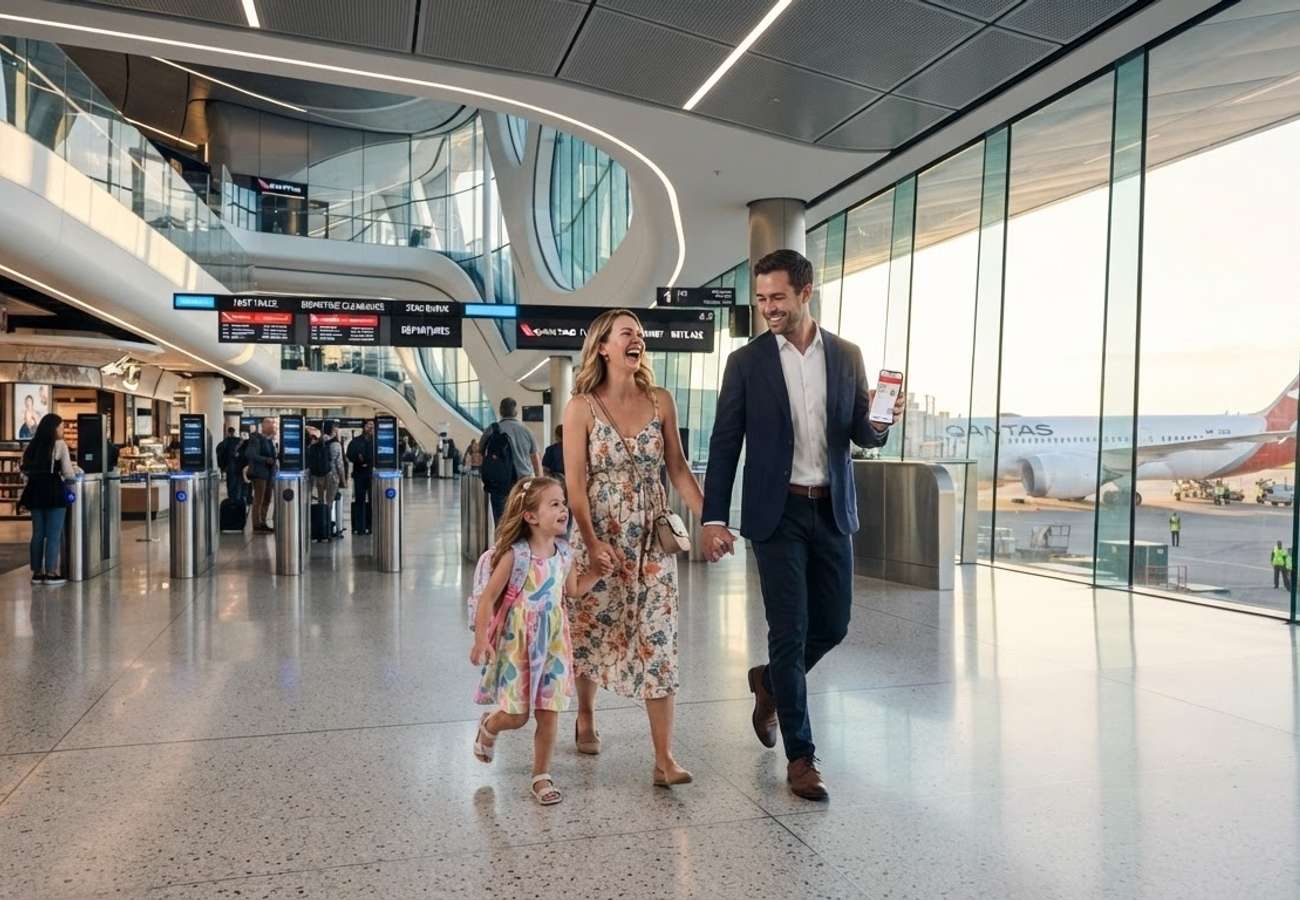
Image generated by AI
Qantas has initiated a comprehensive Zero Queue Tourism Strategy designed to eliminate traditional airport bottlenecks through the integration of digital border technology and automated arrival systems.
The "Smart Airport Nation" vision seeks to transform the international arrival experience by shifting immigration requirements from physical queues to pre-arrival digital platforms. By partnering with major carriers and national aviation hubs, Qantas is transitioning the airport experience from a series of manual checkpoints into a connected digital journey.
The Shift to Digital Border Integration
The core of this initiative is the removal of outdated paper-based processes. The strategy focuses on allowing international travelers to complete all arrival requirements and travel declarations before their aircraft touches down. This systemic change aims to reduce the stress associated with long-haul travel by minimizing the time spent in immigration halls.
Qantas is currently leading the rollout of digital-only arrival card trials. Since October 2024, more than 450,000 passengers have utilized these digital systems, indicating a high rate of passenger adoption and a readiness for the total phase-out of manual paperwork.
Strategic Partner Network and Regional Implementation
The Zero Queue strategy relies on a network of technologically advanced aviation ecosystems. The following table outlines the roles of key operators and regions in the Smart Airport Nation framework:
| Operator / Region | Primary Technological Focus | Impact on Passenger Journey |
|---|---|---|
| Qantas | Digital Arrival Card Trials | Elimination of paper forms for 450,000+ passengers |
| Singapore Airlines | Automated Processing & Contactless Solutions | Reduced friction at Changi Airport via airline-airport integration |
| Japan Airlines | Automated Immigration Gates & Digital Customs | Faster entry for inbound tourism growth in Japan |
| Air New Zealand | Advance Digital Passenger Declarations | Streamlined Pacific crossings and reduced arrival delays |
| United Airlines | Mobile Travel Management & Auto-Services | Reduction of manual processes for US-bound international flights |
Traveler Logistics Guide: Navigating the Zero Queue System
To maximize the efficiency of the Smart Airport Nation infrastructure, travelers should adopt the following logistics protocols:
1. Pre-Flight Digital Compliance Passengers should verify if their destination participates in the digital arrival program 72 hours before departure. Completing digital declarations via the airline app or official government portal immediately upon booking ensures a "fast-track" status upon landing.
2. App-Centric Transit Download the official apps for Qantas, Singapore Airlines, or United Airlines. These platforms now serve as the primary interface for digital identity verification and real-time border updates, replacing the need for printed confirmation vouchers.
3. Connection Optimization For those with tight connections in hubs like Singapore or Tokyo, using the digital arrival system can reduce layover stress. We recommend a minimum connection time (MCT) of 90 minutes for international-to-international transfers, though digital processing may reduce the actual time spent in transit.
4. Document Redundancy Despite the shift toward "Zero Queue," physical passports and valid visas remain mandatory. Digital systems expedite the verification process but do not replace the legal requirement for physical travel documents.
Infrastructure Impact and Regional Connectivity
The implementation of these systems is not merely a convenience for passengers but a strategic necessity for national infrastructure. Australia, in particular, is scaling these technologies to prepare for the massive influx of visitors expected for the Brisbane 2032 Olympic and Paralympic Games.
By automating the border, airports can manage significantly higher passenger volumes without a proportional increase in physical staffing or terminal expansion. This shift transforms airports into "intelligent mobility hubs," where the focus moves from crowd management to flow optimization.
Furthermore, the "Smart Airport Nation" model creates a competitive advantage for destinations. As traveler preference shifts toward stress-free arrivals, countries with seamless digital borders are likely to see an increase in tourism satisfaction and repeat visitation.
The transition from manual queues to digital flows marks the end of the traditional airport arrival era.
Related Travel Guides
Disclaimer
This article is for informational and educational purposes only. It does not constitute legal, financial, or professional advice. While we strive to provide accurate and up-to-date information, travel policies, regulations, and conditions change rapidly. Always verify information with official sources before making travel decisions. Nomad Lawyer makes no representations about the accuracy, reliability, completeness, or suitability of the information provided. Readers should consult qualified professionals for advice specific to their circumstances. The views expressed in this article are those of the author and do not necessarily reflect the views of Nomad Lawyer.
Raushan Kumar
Founder & Lead Developer
Full-stack developer with 11+ years of experience and a passionate traveller. Raushan built Nomad Lawyer from the ground up with a vision to create the best travel and law experience on the web.
Learn more about our team →