
Penang Unveils Pulau Jerejak Transformation with Financial Hub and 2029 Elevated Bridge

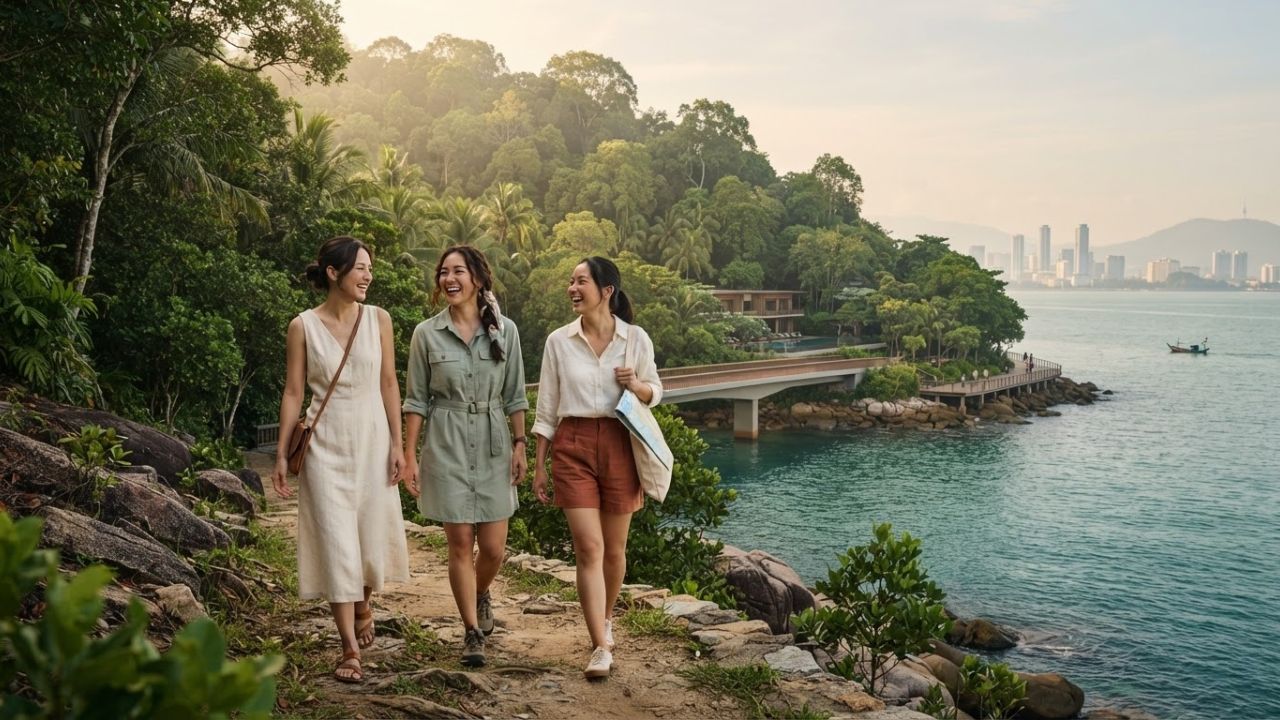
Image generated by AI
State development proposals in Penang, Malaysia, aim to transform Pulau Jerejak into a financial, technology, and eco-tourism hub featuring a 32-hectare business district, a 1-kilometre elevated bridge by 2029, and strict conservation protecting 85% of its 360-hectare forest reserve.
GEORGE TOWN, Malaysia — State planners in Penang have introduced a comprehensive development concept to reposition Pulau Jerejak from a quiet, isolated landmass into an integrated financial, technology, and eco-tourism hub. The master plan introduces the Penang Financial Centre across a 32-hectare mixed-use zone while establishing permanent vehicular access via a 1-kilometre elevated bridge, replacing the island's long-standing reliance on boat transfers.
The proposed transformation seeks to bridge Penang's established manufacturing prowess with high-value financial services, venture capital investment, and sustainable nature tourism. Situated off the southeastern coast of Penang Island, Pulau Jerejak is positioned to attract regional corporate travel while safeguarding its rich biodiversity and cultural heritage.
Penang Financial Centre: A 32-Hectare Innovation and Mixed-Use District
At the heart of the island’s economic strategy is the proposed Penang Financial Centre, planned within a 32-hectare designated footprint as part of a broader mixed-use development. The project includes commercial office space, boutique hotel accommodation, residential properties, and leisure facilities designed to integrate business, lifestyle, and tourism activities.
The financial hub is structured to complement Penang’s primary industrial engines, specifically the Bayan Lepas Free Industrial Zone and the Batu Kawan Industrial Park. These industrial zones have anchored Penang’s status as a major Asian manufacturing and technology hub, specializing in semiconductor packaging and integrated circuit design.
By embedding financial institutions, venture capital firms, and private equity investors near these industrial clusters, project planners aim to provide tech innovators and engineering startups with direct capital access. To prevent overdevelopment, municipal planning guidelines mandate strict building height caps and density controls across the 32-hectare site.
The 1-Kilometre Elevated Bridge Project: Connecting Queensbay to Jerejak by 2029
A critical component of the Pulau Jerejak master plan is the construction of a 1-kilometre elevated bridge linking the island directly to Penang Island near Queensbay Mall. The infrastructure project will eliminate the current dependence on ferry transport, providing seamless road connectivity for residents, workers, investors, and tourists.
Key specifications for the bridge project include:
- Four-Lane Roadway: Designed with two dedicated traffic lanes in each direction.
- Non-Motorized Transit: Grade-isolated pathways dedicated for pedestrians and cyclists.
- Construction Timeline: A three-year building schedule targeting full completion by 2029.
- Architectural Landmark: Designed as an iconic gateway structure welcoming visitors to southern Penang.
The new bridge connection is expected to significantly boost visitor arrivals, making the island's natural sights, coastal trails, and leisure facilities accessible year-round.
Pulau Jerejak Master Plan Specifications and Land Allocations
The table below details the key land-use parameters, infrastructure specifications, and historical attributes of the Pulau Jerejak development plan:
| Development Parameter | Technical Specification / Metric | Strategic Objective |
|---|---|---|
| Total Island Landmass | Approximately 360 hectares | Overall geographical area off Penang's coast |
| Protected Forest Reserve | 85% of total island landmass | Gazetted conservation area off-limits to building |
| Financial Centre Footprint | 32-hectare mixed-use zone | Dedicated hub for banking, venture capital & tech investors |
| Elevated Bridge Span | 1-kilometre elevated bridge | Permanent road connection linked near Queensbay Mall |
| Bridge Traffic Lanes | 2 lanes in each direction (4 total) | High-capacity vehicle access with bike & pedestrian paths |
| Bridge Construction Schedule | 3-year build timeline (Completion 2029) | Replaces boat transit with continuous road access |
| Industrial Ecosystem Links | Bayan Lepas & Batu Kawan Industrial Zones | Connects semiconductor engineering with investment capital |
| Historical Legacy Period | 1940s quarantine & medical center | Foundation for heritage restoration & cultural tourism |
Preserving 85% Forest Reserve and 1940s Quarantine Heritage
Despite major commercial and transport proposals, environmental preservation remains a core pillar of the Pulau Jerejak strategy. Approximately 85% of the island’s 360-hectare total area is gazetted as a protected forest reserve, ensuring that rainforest ecosystems, coastal mangroves, and native wildlife remain untouched.
In addition to its natural wealth, Pulau Jerejak carries a significant historic background. During the 1940s, the island operated as a primary maritime quarantine center before later accommodating specialized medical treatment facilities.
Under the proposed tourism strategy, historical structures from the quarantine period will undergo adaptive reuse and heritage preservation. Restored sites will serve as educational landmarks, allowing visitors to learn about Penang's healthcare history while exploring the surrounding nature reserves.
Ecotourism Expansion and Low-Impact Hospitality Development in Penang
Tourism is set to play a pivotal role in Pulau Jerejak's future. The island’s natural landscape, secluded coves, and forest trails create ideal conditions for eco-tourism, outdoor recreation, and wellness travel away from congested urban corridors.
Planned hospitality projects focus on low-density resort options, eco-lodges, and nature-oriented recreational facilities. Once the 2029 bridge opens, Pulau Jerejak will offer visitors a tranquil island getaway situated just minutes from Penang International Airport and commercial retail districts.
The combination of protected forest reserves, restored 1940s heritage architecture, modern hospitality, and waterfront dining positions Pulau Jerejak as a unique multi-faceted destination within Malaysia's tourism portfolio.
Practical Implications for International Travelers and Travel Providers
For international travelers and eco-tourists, the development of Pulau Jerejak opens up an easily accessible island sanctuary right alongside Penang’s main urban hub. Visitors will be able to enjoy rainforest hiking, historical exploration, and quiet beaches without navigating complex boat schedules.
From an urban planning perspective, the project demonstrates how island destinations can attract high-value financial investment while protecting native ecosystems. By restricting commercial construction to a 32-hectare footprint and preserving 85% of the island as forest reserve, Penang sets a benchmark for sustainable development.
As construction progresses toward the 2029 bridge milestone, Pulau Jerejak is poised to evolve into one of Malaysia's premier hybrid destinations for finance, technology, heritage, and eco-tourism.
Visitor Guidance: Planning Excursions to Pulau Jerejak
If you are planning to explore Pulau Jerejak during its initial transformation phase, keep these practical tips in mind:
- Current Access via Ferry: Until the 2029 bridge opens, access remains exclusively by boat from the Bayan Lepas jetty near Queensbay.
- Trail Gear: Bring suitable footwear, sun protection, and hydration when trekking the forest reserve trails.
- Heritage Exploration: Visit early in the day for optimal lighting when photographing the 1940s historical quarantine buildings.
- Conservation Rules: Adhere to forest reserve regulations by staying on designated paths to protect local wildlife.
Related Travel Guides
Disclaimer
This article is for informational and educational purposes only. It does not constitute legal, financial, or professional advice. While we strive to provide accurate and up-to-date information, travel policies, regulations, and conditions change rapidly. Always verify information with official sources before making travel decisions. Nomad Lawyer makes no representations about the accuracy, reliability, completeness, or suitability of the information provided. Readers should consult qualified professionals for advice specific to their circumstances. The views expressed in this article are those of the author and do not necessarily reflect the views of Nomad Lawyer.
Raushan Kumar
Founder & Lead Developer
Full-stack developer with 11+ years of experience and a passionate traveller. Raushan built Nomad Lawyer from the ground up with a vision to create the best travel and law experience on the web.
Learn more about our team →