
Provence Tourism Crisis: Taradeau Wildfire Threatens 12th Century Saint Martin Chapel and Taradel Tower 2026
A severe wildfire in Var, France, has put the 12th-century Saint Martin Chapel and Taradel Tower at risk, sparking concerns over heritage protection and visitor safety during the 2026 peak summer travel season.

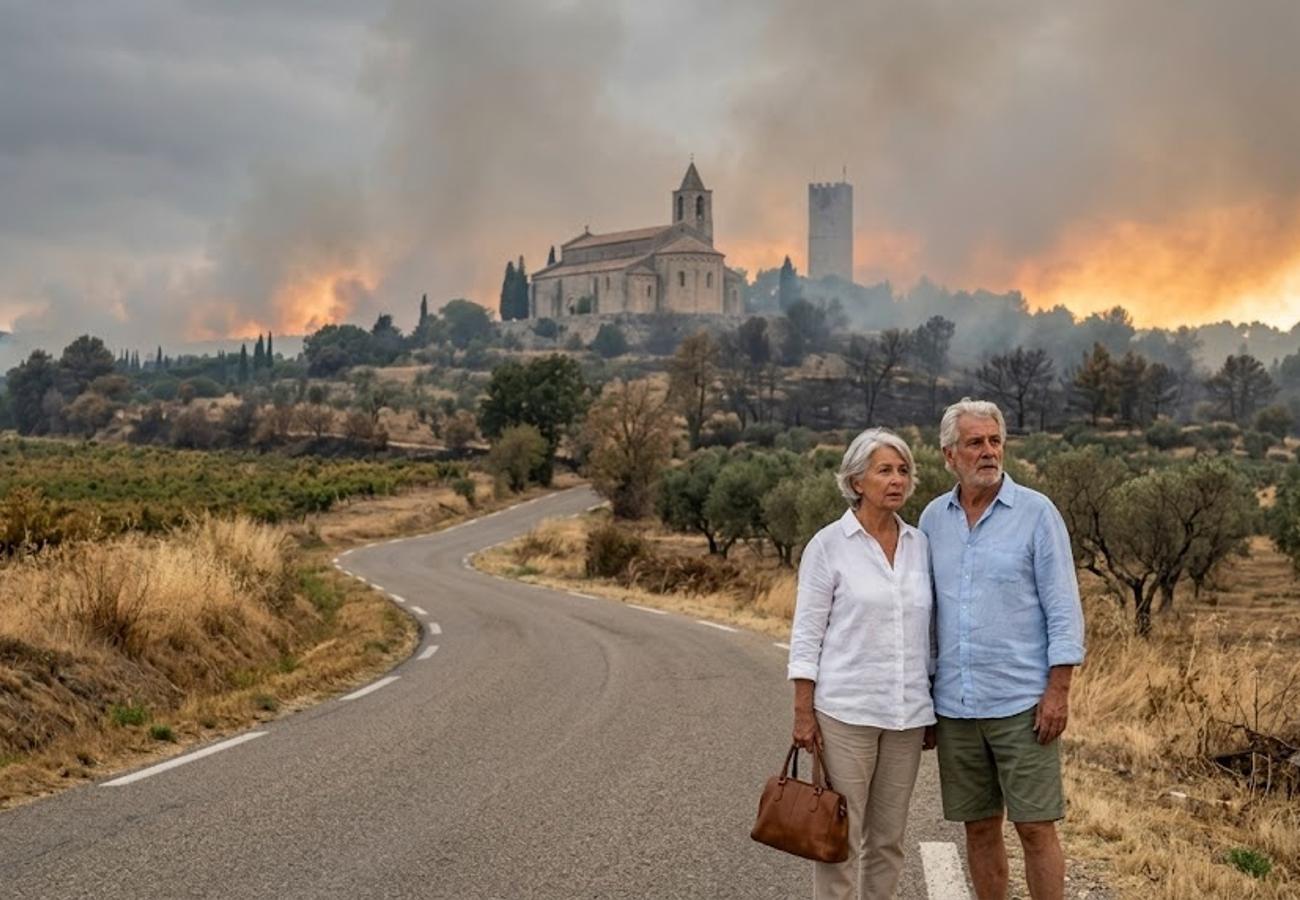
Image generated by AI
The intersection of climate volatility and cultural preservation reached a critical point on July 19, 2026, as a wildfire erupted in the Var department of southern France. The blaze directly threatened two of the region's most significant historical assets: the 12th-century Saint Martin Chapel and the Taradel Tower.
This incident occurs during the peak European summer travel window, creating immediate logistical challenges for tourists and long-term concerns for the sustainability of heritage tourism in the Mediterranean. For travelers navigating the rural villages and nature trails of Provence, this event signals a shift in how destination safety and site accessibility must be managed.
Heritage at Risk in the Var Department
The Var region is a cornerstone of French tourism, blending Mediterranean landscapes with deep historical roots. The threat to the Saint Martin Chapel and Taradel Tower is particularly concerning because these sites serve as anchors for the traditional identity of inland Provence.
While major hubs like Nice and Cannes draw global crowds, the economic vitality of smaller Provençal communities relies heavily on "slow tourism"—visitors seeking medieval architecture, authentic rural experiences, and ancient monuments. The potential loss or damage to these sites represents a significant blow to the region's cultural capital.
Climate Volatility and the Mediterranean Tourism Model
The Taradeau fire is not an isolated event but a symptom of a broader environmental crisis affecting southern Europe. A combination of prolonged droughts, high temperatures, and dry vegetation has created a "tinderbox" effect across the Mediterranean basin.
Travelers are increasingly factoring climate resilience into their booking decisions. The Taradeau incident forces a critical examination of whether historic attractions are sufficiently protected from extreme weather and if current emergency response plans can keep pace with the increasing frequency of wildfires.
Impact on Regional Travel and Infrastructure
While the primary threat is to physical heritage, the ripple effects extend across the local tourism ecosystem. Visitors should be aware that wildfires in this region often lead to:
- Immediate Access Restrictions: Closure of hiking trails, cycling routes, and rural roads.
- Operational Disruptions: Impacts on boutique rural accommodations and outdoor excursion providers.
- Safety Alerts: Heightened vigilance requirements for those exploring forested areas.
Despite the local crisis, there have been no confirmed disruptions to aviation. No airline cancellations or airport closures have been linked to the Taradeau wildfire as of July 20, 2026. However, smoke and visibility issues remain potential variables that authorities monitor closely.
Mediterranean Wildfire Risk Comparison
France is not alone in this struggle. The entire southern European corridor is adapting to a new reality where summer tourism must coexist with high-intensity fire risks.
| Country | Tourism Impact from Mediterranean Wildfire Risk |
|---|---|
| France | Protecting Provence, Riviera, and rural heritage destinations |
| Spain | Managing wildfire risks around popular holiday regions |
| Italy | Protecting countryside tourism and historic locations |
| Greece | Balancing island tourism with emergency response planning |
| Portugal | Strengthening forest fire prevention measures |
Strategic Overview of French Tourism Assets
The vulnerability of the Taradel Tower highlights the fragility of the "hidden gems" that drive France's diverse tourism appeal.
| Tourism Asset | Importance for Visitors |
|---|---|
| Medieval villages | Authentic French cultural experiences |
| Historic churches/chapels | Religious and architectural tourism |
| Ancient towers/monuments | Heritage exploration |
| Rural landscapes | Nature and slow tourism |
| Wine regions | Culinary and countryside travel |
Current Status and Travel Guidance
For those currently in or planning a trip to the Provence-Alpes-Côte d’Azur region, a proactive approach to safety is essential.
Pre-Travel Checklist:
- Verify official wildfire alerts for the Var department.
- Confirm the operational status of specific hiking routes and heritage sites.
- Check with rural lodging providers regarding evacuation plans or access changes.
On-the-Ground Safety:
- Strictly adhere to local emergency instructions and avoid restricted fire zones.
- Maintain updated digital and physical copies of travel documents.
- Monitor official government channels for real-time updates on road closures.
Aviation Monitoring:
- Check flight status directly with carriers before departing for southern France.
- Allow extra transit time when traveling through regions under emergency alerts.
Regional Impact Summary
| Country | Region | Travel Relevance | Current Impact |
|---|---|---|---|
| France | Var, Provence-Alpes-Côte d’Azur | Heritage, rural, and cultural tourism | Wildfire threat near historic landmarks |
| France | Southern Mediterranean | Summer holiday destination | Increased focus on wildfire awareness |
Sectoral Status Report
| Travel Sector | Current Situation |
|---|---|
| Airlines | No confirmed disruption |
| Airports | No confirmed closure linked to wildfire |
| Heritage Sites | Threat assessment required near affected locations |
| Rural Tourism | Possible local access restrictions |
The survival of Provence's medieval legacy now depends on the balance between welcoming the world and protecting the land from an overheating climate.
Related Travel Guides
Disclaimer
This article is for informational and educational purposes only. It does not constitute legal, financial, or professional advice. While we strive to provide accurate and up-to-date information, travel policies, regulations, and conditions change rapidly. Always verify information with official sources before making travel decisions. Nomad Lawyer makes no representations about the accuracy, reliability, completeness, or suitability of the information provided. Readers should consult qualified professionals for advice specific to their circumstances. The views expressed in this article are those of the author and do not necessarily reflect the views of Nomad Lawyer.
Preeti Gunjan
Contributor & Community Manager
A passionate traveller and community builder. Preeti helps grow the Nomad Lawyer community, fostering engagement and bringing the reader experience to life.
Learn more about our team →