
PRICE DROP 💥 Non-stop flights from Paris to Miami 🏖️ for €430
Craving sunshine, palm trees, and vibrant nightlife? Snag non-stop Frenchbee flights from Paris Orly to Miami for just €430 for a round trip! No layovers. No st

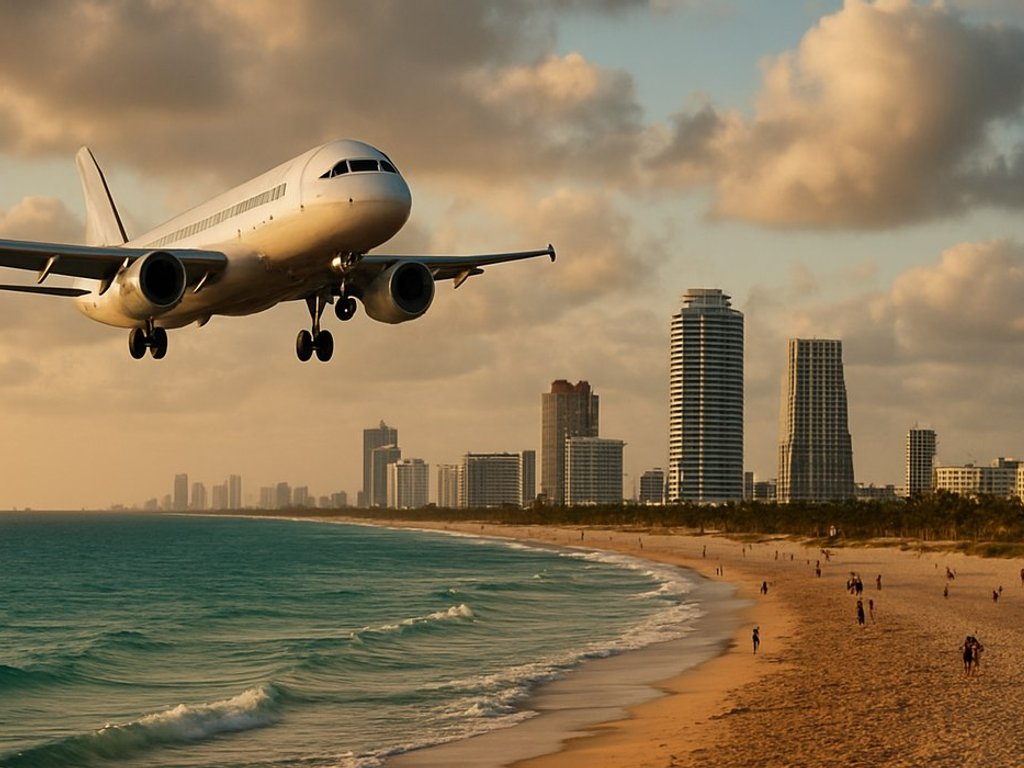
Image generated by AI
Exceptional Transatlantic Bargain: Frenchbee Slashes Fares to Miami at €430 Round Trip from Paris
Quick Summary: Frenchbee is offering an unprecedented price point of €430 for round-trip nonstop service between Paris Orly Airport and Miami International Airport, eliminating the need for connecting flights and providing direct access to Florida's premier coastal destination.
Budget Airline Delivers Direct Connectivity at Competitive Pricing
The transatlantic travel market has witnessed a significant shift in pricing dynamics as Frenchbee, the French ultra-low-cost carrier, introduces compelling fare options for travelers seeking direct routes between Western Europe and South Florida. The carrier's latest promotional pricing structure positions round-trip tickets at €430 from Paris Orly, establishing a noteworthy benchmark for direct service on this internationally significant corridor.
This pricing development carries substantial implications for leisure travelers, business commuters, and those planning extended stays in the Miami metropolitan area. The elimination of intermediate stops represents a meaningful enhancement to the overall travel experience, as passengers can transition directly from Paris Orly to Miami International without the typical delays, inconveniences, and cumulative time losses associated with connecting itineraries.
Understanding the Route Architecture and Service Parameters
Paris Orly Airport, situated approximately 14 kilometers south of the French capital's city center, serves as one of Europe's busiest aviation hubs and a natural gateway for Parisian residents and regional travelers. The facility's established infrastructure and connection points facilitate efficient passenger processing and ground handling operations.
Miami International Airport, conversely, functions as a critical hub for Caribbean and Latin American connectivity while simultaneously serving as a primary entry point for domestic travelers heading toward South Florida's beaches, entertainment venues, and hospitality infrastructure. The airport's strategic positioning in the southeastern United States makes it an essential transportation node for millions of annual passengers.
The nonstop configuration between these two metropolitan centers eliminates the operational complexity and passenger frustration associated with traditional hub-and-spoke routing. Travelers can depart from Paris Orly in the morning or evening hours and arrive in Miami within a single flight operation, preserving energy levels and maximizing the usable portion of their journeys.
Destination Appeal and Travel Motivation
Miami's magnetic attraction for international visitors stems from multiple converging factors. The subtropical climate provides consistently warm temperatures, abundant sunshine, and oceanfront recreation opportunities throughout the calendar year. The city's transformation into a cosmopolitan entertainment destination has expanded its appeal beyond beach-focused tourism to encompass world-class dining, cultural institutions, and nightlife establishments.
The metropolitan area's architectural diversity, ranging from Art Deco historic districts to contemporary high-rise developments, creates a visually dynamic urban landscape. International travelers recognize Miami as both a leisure destination and a professional conference hub, with major corporate headquarters, financial institutions, and creative industries establishing significant presences throughout the region.
For European travelers, the relatively short flight duration and direct routing combine with favorable currency exchange rates and competitive accommodation pricing to make Miami an increasingly attractive option for winter getaways, extended holidays, and short-term visits.
The Economics of Ultra-Low-Cost Transatlantic Service
Frenchbee's business model exemplifies the operational efficiency measures that enable competitive pricing on international routes. The carrier's fleet composition, staffing approach, and operational procedures reflect deliberate cost optimization without compromising essential safety standards and regulatory compliance requirements.
The €430 pricing point represents a significant departure from traditional transatlantic carrier fares, which typically range considerably higher for comparable routing and service configurations. This competitive positioning reflects the intensifying price competition within the long-haul budget aviation sector, where carriers seek to capture market share through aggressive pricing strategies.
The sustainability of such pricing depends upon consistent passenger loads, fuel cost management, and operational reliability. Frenchbee's European operational base and transatlantic expansion strategy indicate management confidence in the demand trajectory for direct Paris-Miami service.
Practical Considerations for Prospective Passengers
Travelers evaluating the €430 round-trip opportunity should carefully review the specific terms and conditions associated with the promotional pricing. Typical ultra-low-cost carrier policies often apply restrictions regarding baggage allowances, seat selection, and meal service. Understanding these parameters enables travelers to accurately calculate the true cost of their journeys when factoring in ancillary services.
The nonstop nature of the service should not be interpreted as implying premium cabin configurations or enhanced in-flight amenities. Passengers should anticipate standard economy seating and service standards consistent with Frenchbee's operational model.
Flight timing, advance booking windows, and specific travel dates significantly influence fare availability and pricing. The promotional rate may reflect specific departure and return date combinations rather than representing a universally available option across all scheduling possibilities.
Competitive Context Within the Transatlantic Market
Traditional legacy carriers operating transatlantic service have responded to ultra-low-cost competition through various strategic initiatives, including capacity reductions on less profitable routes, premium cabin expansion, and codeshare partnerships. The emergence of nonstop direct service from Paris to Miami at competitive price points represents market pressure that influences industry-wide strategies.
The accessibility of transatlantic travel at lower price points democratizes international travel for middle-income Europeans, expanding the addressable market for Miami tourism and hospitality operations. This pricing dynamic particularly benefits younger travelers, families, and independent explorers who previously considered transatlantic journeys as financially prohibitive.
Frequently Asked Questions
Q: What are the specific baggage policies for Frenchbee transatlantic flights? A: Frenchbee typically follows ultra-low-cost carrier baggage standards, which usually include one personal item as standard allowance, with checked baggage available at supplementary fees. Passengers should verify current policies directly through the carrier's official website or contact center before purchasing tickets.
Q: How far in advance must tickets be purchased to access the €430 promotional fare? A: Promotional pricing is generally subject to advance booking requirements, though specific windows vary based on the carrier's dynamic pricing systems. Early booking typically increases the probability of securing advertised fares.
Q: Does the nonstop routing mean shorter travel time compared to connecting flights? A: Yes, eliminating intermediate stops typically reduces total travel time by 6-12 hours or more, depending on the specific connecting cities and layover durations in comparative itineraries.
Q: What visa and documentation requirements apply for US travel from France? A: French and European Union citizens typically require valid passports and may qualify for the ESTA (Electronic System for Travel Authorization) or possess B-2 tourist visas, depending on their citizenship status and travel history. Travelers should verify current requirements with official sources.
Q: Are seat selections included or charged separately? A: Ultra-low-cost carriers typically charge supplementary fees for preferred seat selection, though basic seat assignments may be automatically provided during check-in.
Q: What is the flight duration for the Paris-Miami route? A: Westbound flights typically require approximately 9-10 hours of flight time, while eastbound return flights may require slightly longer durations due to prevailing wind patterns and jet stream dynamics affecting transatlantic operations.
Disclaimer
This article is for informational and educational purposes only. It does not constitute legal, financial, or professional advice. While we strive to provide accurate and up-to-date information, travel policies, regulations, and conditions change rapidly. Always verify information with official sources before making travel decisions. Nomad Lawyer makes no representations about the accuracy, reliability, completeness, or suitability of the information provided. Readers should consult qualified professionals for advice specific to their circumstances. The views expressed in this article are those of the author and do not necessarily reflect the views of Nomad Lawyer.
Kunal K Choudhary
Co-Founder & Contributor
A passionate traveller and tech enthusiast. Kunal contributes to the vision and growth of Nomad Lawyer, bringing fresh perspectives and driving the community forward.
Learn more about our team →