
Portugal's Short-Term Rental Crackdown: 36,000 Listings Removed as Europe Battles Housing Crisis
Portugal revokes 40% of Lisbon's Airbnb permits, dropping short-term rentals below 90,000 by spring 2026. What travelers need to know.

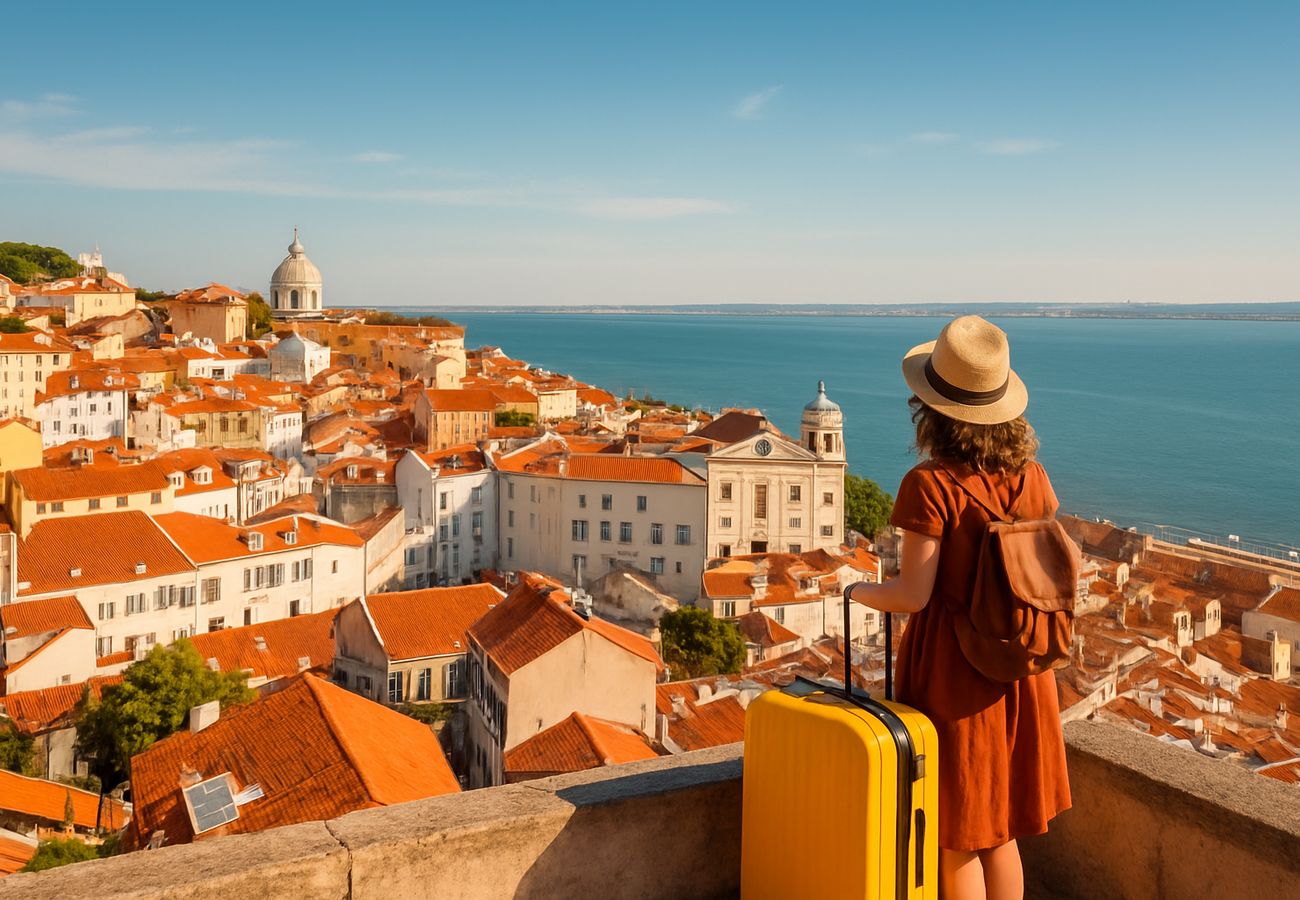
Image generated by AI
Portugal is aggressively dismantling its short-term rental market to combat a housing affordability crisis, with short-term rental properties expected to drop below 90,000 by spring 2026—down from nearly 126,000 just months earlier. This dramatic regulatory reversal is forcing travelers to rethink accommodation strategies across Europe's most popular destinations.
What Triggered the Change
Portugal's government has implemented sweeping restrictions on vacation rentals in response to mounting pressure on local housing markets. The surge in short-term rentals since 2019 had been unchecked, with more than thirty-three thousand new listings added to Lisbon by 2025 before the crackdown began. Many properties were flagged for basic compliance failures: missing insurance, non-compliance with mandatory regulations, and hosts failing to meet legal obligations.
The European Parliament has recently expressed concern about the rising number of vacation rentals, recognizing that this trend exacerbates the affordability crisis in many urban areas. Cities like Lisbon, Porto, Sintra, Cascais, Almada, Faro, and Viana do Castelo are now imposing stricter limits, with local governments suspending new permits altogether. This policy shift is designed to ease growing pressure on housing stock and ensure homes remain accessible to residents.
Destinations in the Spotlight
The impact has been most severe in Lisbon, where approximately 40 percent of short-term rental permits have been revoked. Over six thousand properties have been removed from the market in recent months, leaving around twelve thousand operating—many concentrated in the older, historic parts of the city. The regulatory crackdown mirrors trends across France, Spain, Greece, Italy, and Germany, where governments are similarly balancing tourism income against housing affordability.
| Metric | Figure |
|---|---|
| Short-term rentals removed nationally | 36,000+ |
| Lisbon permits revoked | 40% |
| Properties removed from Lisbon | 6,000+ |
| Lisbon properties still operating | ~12,000 |
| National total by spring 2026 | Below 90,000 |
| Previous national total | ~126,000 |
What Travelers Get
- Hotel alternatives surge: Traditional lodging chains are expanding capacity in Lisbon, Porto, and Cascais to capture displaced travelers.
- Pricing volatility: Hotel rates in central Lisbon have increased 15-25% as short-term rental supply tightens.
- Guesthouse options: Smaller family-run properties and licensed guesthouses now offer mid-range alternatives to both Airbnb and luxury hotels.
- Regional shifts: Travelers seeking budget accommodation are increasingly booking in Sintra, Viana do Castelo, and Faro—less-regulated secondary destinations.
- Booking timeline: Advance reservations (60+ days) are now essential for spring and summer 2026 travel to Portugal.
What This Means for Travelers
Book accommodations earlier than usual—the short-term rental squeeze means hotel availability is tightening across Portugal's major cities. Consider staying in secondary destinations like Sintra or Viana do Castelo and using regional rail to reach Lisbon and Porto. Traditional hotel chains and licensed guesthouses are your most reliable options, though expect higher nightly rates than pre-2026 Airbnb pricing. Verify any remaining short-term rental listings directly with hosts, as compliance enforcement is ongoing and cancellations remain possible.
FAQ: Portugal Short-Term Rental Regulations 2026
Q: Can I still book Airbnb properties in Lisbon? A: Yes, but availability has dropped 67% since late 2025. Around twelve thousand licensed properties remain in Lisbon, down from over eighteen thousand. Book immediately if you find a compliant listing.
Q: Will hotel prices stay elevated? A: Likely through summer 2026. With 6,000+ short-term rentals removed from Lisbon alone, demand has shifted to traditional hotels, pushing rates up 15-25% in central areas.
Q: Are other European cities implementing similar bans? A: Yes. Spain, France, Greece, Italy, and Germany are all tightening short-term rental regulations. The European Parliament has called on member states to address housing affordability impacts.
Related Travel Guides
Disclaimer
This article is for informational and educational purposes only. It does not constitute legal, financial, or professional advice. While we strive to provide accurate and up-to-date information, travel policies, regulations, and conditions change rapidly. Always verify information with official sources before making travel decisions. Nomad Lawyer makes no representations about the accuracy, reliability, completeness, or suitability of the information provided. Readers should consult qualified professionals for advice specific to their circumstances. The views expressed in this article are those of the author and do not necessarily reflect the views of Nomad Lawyer.
Kunal K Choudhary
Co-Founder & Contributor
A passionate traveller and tech enthusiast. Kunal contributes to the vision and growth of Nomad Lawyer, bringing fresh perspectives and driving the community forward.
Learn more about our team →