
Portugal Heat Crisis 2026: IPMA Nationwide Alerts, 43°C Temperatures Shut Sintra, Disrupt Rail and Coastal Tourism
A severe heatwave grips mainland Portugal with temperatures reaching 43°C, triggering nationwide IPMA alerts, forest closures in Sintra, rail delays, and widespread tourism disruptions across Lisbon, Algarve, and Alentejo regions.

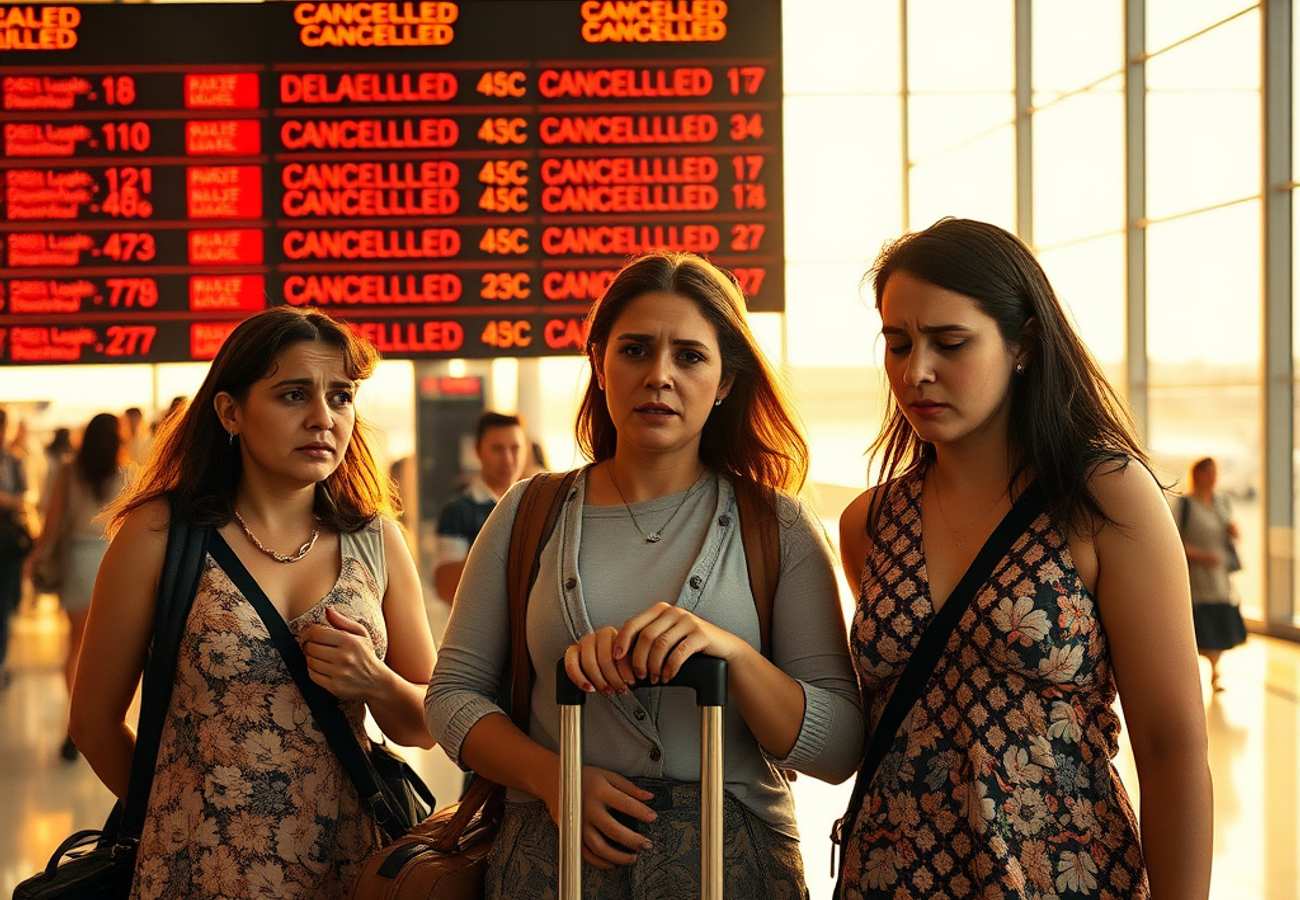
Image generated by AI
A Historic Heat Event Reshapes Portugal's Summer Tourism Landscape
Portugal is enduring one of its most severe early-summer heatwave episodes on record. The Portuguese Institute for Sea and Atmosphere (IPMA) has escalated weather alerts across every mainland district as temperatures in central regions reach a staggering 43°C. This is not a passing weather event—it's a systemic crisis reshaping how millions of tourists experience the country's most iconic destinations.
I've been tracking extreme weather impacts on travel for years, and what's unfolding across Lisbon, Sintra, Algarve, and Alentejo represents a watershed moment for summer tourism planning in Southern Europe.
The Anticyclone Trap: Why This Heatwave Is Different
The culprit is a powerful, stationary anticyclone positioned north and northwest of the Azores archipelago. This atmospheric formation is channeling an exceptionally hot and dry air mass directly over the Iberian Peninsula, suppressing cloud formation and allowing relentless solar heating for consecutive days.
What makes this dangerous: the high-pressure system is producing temperature anomalies between 3°C and 7°C above seasonal normals. The most brutal conditions are locked in central Portugal and Alentejo, where forecasts predict sustained inland temperatures above 40°C through early July.
Reddit: "We had to abandon our Alentejo hiking trip. Hotels have no cooling, and the risk alerts kept escalating. Nobody warned us this would happen." — r/travel
The atmospheric stagnation is also creating tropical nights—minimum temperatures staying above 20°C even after sunset. This eliminates natural nighttime cooling and forces continuous reliance on air conditioning systems that many heritage properties simply don't have.
IPMA's Expanding Warning Zone: Nationwide Coverage by July 1st
IPMA began issuing yellow alerts for key southern and central districts: Évora, Beja, Portalegre, Castelo Branco, and Guarda. As the anticyclone drifts northward, additional districts including Bragança and Vila Real are entering active warning status.
By July 1, 2026, all mainland districts are expected to be under yellow alert conditions—a nationwide phenomenon rarely seen this early in the summer season.
The forecast breakdown tells the story:
Inland Alentejo: sustained temperatures above 40°C Central Portugal: peaks reaching 41°C to 43°C Coastal zones: 35°C to 38°C despite Atlantic proximity Night temperatures: above 20°C across inland regions
This persistence is the killer. One hot day is survivable. Eight consecutive days above 40°C with no nighttime relief is a public health and operational crisis.
Sintra's Heritage Sites Go Dark: Forest Closures Ripple Through Tourism
One of the most visible impacts is hitting Sintra, where authorities have imposed strict closures across forested heritage zones due to extreme rural fire risk conditions. Access to major attractions integrated within the Sintra Hills has been fully restricted.
This includes walking trails, nature reserves, and forest-adjacent cultural landmarks that draw tens of thousands of visitors annually. Select urban heritage sites outside forested areas remain operational, though their status is fluid and subject to rapid change depending on evolving fire risk assessments.
Across rural Portugal, strict fire prevention protocols are now in force:
- Complete bans on wild camping and campfires
- Restricted access to forest trails in high-risk zones
- Prohibition on mechanical equipment use during peak heat hours
- Limited rural activity between late morning and sunset
For tourism operators, this means entire activity categories—hiking tours, rural excursions, outdoor heritage walks—are being rescheduled or cancelled entirely.
Transportation Under Extreme Stress: Rail Speed Cuts and Airport Bottlenecks
CP (Comboios de Portugal) is implementing mandatory speed restrictions during peak afternoon hours to prevent track deformation. These restrictions particularly affect inland and Alentejo routes, where surface temperatures are climbing to dangerous levels.
What this means for travellers: delays and schedule adjustments across intercity and regional connections are becoming routine. A journey from Lisbon to Covilhã that normally takes 4 hours may now take 5-6 hours due to speed restrictions.
Airports in Lisbon and Faro are also adapting operations under heat stress conditions. Ground handling activities are reduced during peak midday hours to protect workers, while increased demand on cooling systems strains terminal infrastructure. The result: slower processing times and potential minor delays during peak travel periods.
According to recent aviation safety guidelines from ICAO, extreme heat can impact runway performance and aircraft operations, creating a cascading effect across the travel network.
Coastal Resorts Face Unexpected Heat Pressure
Portugal's Algarve, Cascais, and Lisbon waterfront destinations typically benefit from cooling Atlantic breezes. The current atmospheric pattern has weakened this moderating effect dramatically.
Daytime temperatures along the coast are now reaching between 35°C and 38°C—unusually high for seaside tourism. The expected cooling effect from sea breezes is significantly reduced during peak afternoon hours (12 PM to 4 PM).
There's a cruel irony: Atlantic waters remain frigid, ranging between 15°C and 18°C. This sharp land-sea temperature contrast creates discomfort for swimmers and limits beach activity during the hottest periods.
Accommodation Crisis: The Cooling Gap
Modern hotels and resorts equipped with climate-controlled environments are handling conditions reasonably well. But many traditional accommodations—rural estates, historic properties, guesthouses in Lisbon and Porto—lack consistent air conditioning.
Inland regions are experiencing minimum temperatures exceeding 20°C, which means indoor spaces never fully cool overnight. Coastal accommodation zones are affected by high humidity combined with reduced wind cooling, intensifying thermal discomfort even in seaside locations.
For multi-night stays, this creates significant comfort challenges that are directly impacting guest satisfaction and accommodation reviews.
The Travel Disruption Cascade: From Outdoor Activities to Mobility Networks
Outdoor tourism is undergoing rapid operational shifts. Hiking, cycling, and rural excursions are being heavily restricted or rescheduled to early morning or late evening periods. Authorities and operators are aggressively discouraging midday travel movement due to the highest temperature intensity between 12 PM and 4 PM.
This reshaping extends across all transport systems. Road networks are adopting increased safety protocols, and the combination of rail speed restrictions and reduced air circulation in terminals is impacting overall travel fluidity across popular tourist corridors.
For real-time updates on Portuguese weather alerts, consult the IPMA website directly.
What This Means for Your Portugal Trip
If you're planning travel to Portugal between now and mid-July, expect:
- Multiple daily cancellations of outdoor activity tours
- 1-3 hour delays across rail services
- Significantly elevated accommodation temperatures, especially inland
- Restricted access to forest attractions and heritage sites
- Heat exposure risks during standard travel hours
The anticyclone system shows no signs of relenting in the immediate term. Portugal remains under sustained climate pressure, and its tourism landscape is being reshaped in real time.
Portugal's summer is becoming a test of travel resilience—prepare for delays, closures, and conditions unlike what the destination normally offers.
Related Travel Guides
Disclaimer
This article is for informational and educational purposes only. It does not constitute legal, financial, or professional advice. While we strive to provide accurate and up-to-date information, travel policies, regulations, and conditions change rapidly. Always verify information with official sources before making travel decisions. Nomad Lawyer makes no representations about the accuracy, reliability, completeness, or suitability of the information provided. Readers should consult qualified professionals for advice specific to their circumstances. The views expressed in this article are those of the author and do not necessarily reflect the views of Nomad Lawyer.
Kunal K Choudhary
Co-Founder & Contributor
A passionate traveller and tech enthusiast. Kunal contributes to the vision and growth of Nomad Lawyer, bringing fresh perspectives and driving the community forward.
Learn more about our team →