
Port Tampa Plans Fourth Cruise Terminal for 1.8M Passengers in 2026
Port Tampa Bay advances port tampa plans for a fourth cruise terminal to handle record 1.8 million passengers by 2026, strengthening Florida's position in the global cruise market and competing with rival Gulf Coast hubs.

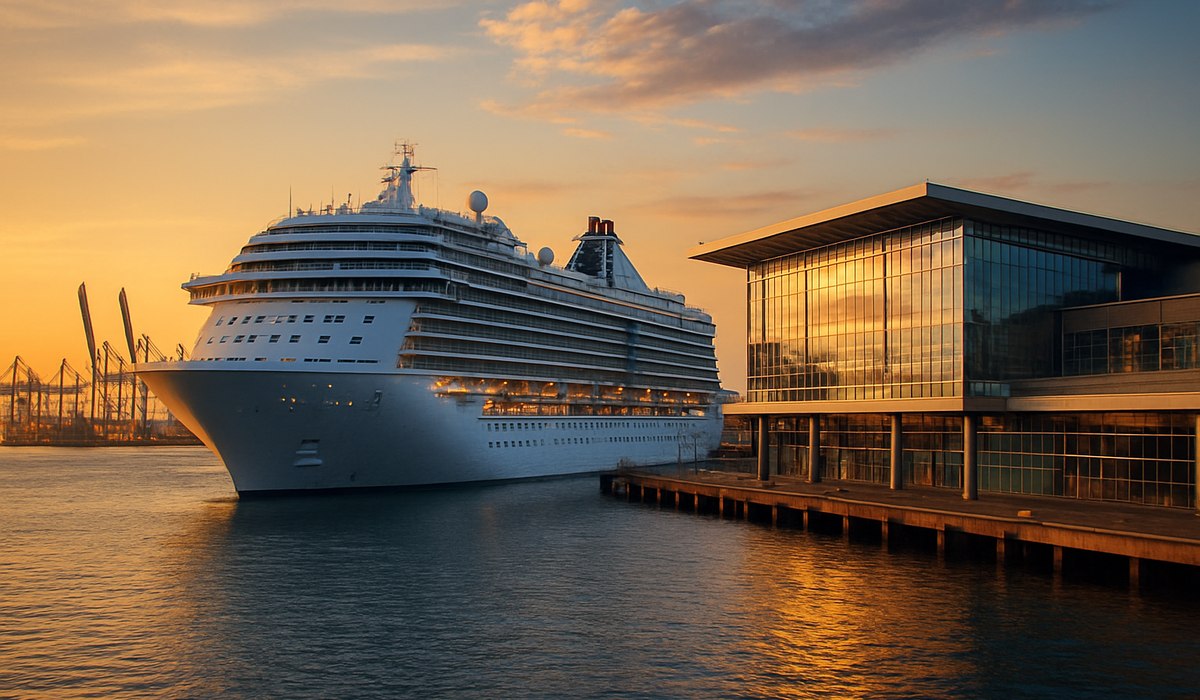
Image generated by AI
Record Passenger Growth Drives Port Expansion
Port Tampa Bay is charting an aggressive expansion strategy with plans for a fourth cruise terminal designed to accommodate surging passenger demand expected to reach 1.8 million annually by 2026. The Gulf Coast maritime hub handled approximately 1.66 million cruise passengers in 2025 and is experiencing unprecedented growth that has pushed its three existing Channel District facilities to operational capacity limits. Industry analysts confirm that constrained berthing space has already forced some cruise lines to redirect itineraries away from Tampa, creating a competitive disadvantage against rival Florida ports experiencing similar expansion pressures.
The port's rapid growth reflects both traditional seven-night Caribbean voyages and emerging demand for shorter getaways and specialty cruises homeporting from Tampa. This diversified sailing mix strains available infrastructure, making the fourth terminal essential for maintaining market share among North American cruise homeports. Port Tampa Bay's Vision 2030 strategic framework identifies cruise expansion as a central pillar, positioning the facility as critical infrastructure for long-term competitiveness.
Fourth Terminal Design and Location Details
The proposed fourth cruise terminal will integrate seamlessly within the existing cruise and entertainment district, featuring a new berth and contemporary terminal building engineered for modern mega-ships. Design work is in early stages, with progression expected throughout 2026 and beyond. The facility is projected to accommodate up to 200 additional annual ship calls while processing more than one million extra passengers, potentially lifting Port Tampa's total throughput above 2.5 million travelers annually.
This expansion aligns with broader harbor modernization initiatives receiving separate federal support for navigation upgrades and channel improvements. Coordinated infrastructure development will prevent bottlenecks affecting both cruise and cargo operations. The terminal concept embraces sustainable maritime practices, incorporating shore power connections that allow vessels to plug into local electrical grids rather than running auxiliary engines while docked—a feature increasingly standard at premier cruise ports. Check the Port Tampa Bay official website for detailed construction timelines and project updates.
Competitive Implications for Florida Cruise Market
Port Tampa plans to strengthen its position against competing Florida cruise hubs like Miami, Port Everglades, and Jacksonville. The fourth terminal directly addresses market dynamics where cruise demand consistently exceeds available homeport capacity across the state. With the expansion, Tampa will join an elite group of North American ports handling over 2.5 million annual cruise passengers, attracting additional cruise brands and ship classes seeking premium homeport alternatives.
The expansion strategy carries significant competitive weight in the global cruise sector. Cruise Critic's port coverage regularly highlights capacity constraints affecting passenger choices and cruise line routing decisions. Port Tampa's growth positions the facility to capture market share from congested Miami and Fort Lauderdale terminals, particularly for specialty cruise operators and emerging cruise brands seeking underutilized homeports. Enhanced passenger experience amenities—expanded check-in areas, streamlined security protocols, and modernized baggage handling—will further differentiate Tampa from competitor ports.
Vision 2030 Strategic Framework
Port Tampa Bay's comprehensive long-term planning document establishes cruise expansion as foundational to regional economic development through 2030 and beyond. The fourth terminal represents the most visible element of this strategic vision, but broader waterfront modernization encompasses channel dredging, road connectivity improvements, and downtown transportation optimization.
Integrated planning addresses cruise-specific operational challenges including traffic circulation during multi-ship port days. Enhanced wayfinding signage, reconfigured passenger drop-off zones, and improved parking facility connections will minimize downtown congestion while accommodating larger passenger volumes. Regional planners emphasize that cruise modernization contributes to Tampa's broader waterfront renaissance, creating employment opportunities and attracting visitor spending in hotels, restaurants, entertainment venues, and ground transportation services. Economic impact analyses suggest the fourth terminal could generate substantial pre- and post-cruise visitor spending, amplifying the port's regional economic contribution significantly.
Passenger Experience and Sustainability Initiatives
Port Tampa's fourth terminal design prioritizes contemporary passenger conveniences and environmental responsibility. The facility will feature expedited check-in processes, enhanced security infrastructure, and efficient baggage operations designed to move guests through the terminal with minimal delays. Shore power technology represents the sustainability centerpiece, allowing mega-ships to eliminate engine operation while docked, significantly reducing emissions and local noise pollution.
These modernizations reflect industry best practices increasingly expected at major North American cruise ports. The terminal's location within the existing cruise district facilitates passenger connectivity with ground transportation, hotels, and entertainment venues, creating a cohesive cruise experience. Planners are studying advanced traffic management systems and improved parking integration to accommodate peak passenger volumes on days featuring multiple simultaneous ship departures and arrivals.
Key Data: Port Tampa Bay Growth Metrics
| Metric | 2025 Value | 2026 Projection | Post-Expansion Capacity |
|---|---|---|---|
| Annual Cruise Passengers | 1.66 million | 1.8 million | 2.5+ million |
| Active Cruise Terminals | 3 | 3 | 4 |
| Annual Ship Calls | ~500 | Record high | 700+ |
| Available Berths | 3 | 3 | 4 |
| Terminal Utilization Rate | Near capacity | At capacity | Optimized efficiency |
| Potential Additional Annual Passengers | — | — | 1+ million |
What This Means for Travelers
Port Tampa Bay's expansion directly impacts cruise passengers through expanded sailing options, enhanced embarkation experiences, and broader cruise brand availability. Here's what travelers should anticipate:
-
Increased Sailing Variety: Additional homeport capacity will attract new cruise operators and emerging brands seeking premium homeporting alternatives, expanding passenger choice and competitive pricing.
-
Streamlined Embarkation: Modern terminal facilities designed for efficient passenger processing will reduce check-in wait times and security delays compared to operations at capacity-constrained existing terminals.
-
Enhanced Amenities: Contemporary terminal design incorporates expanded retail, dining, and passenger service areas, improving pre-departure and post-cruise experiences significantly.
-
Improved Ground Transportation: Optimized traffic patterns and parking integration will facilitate smoother port access on busy cruise days, reducing frustration during peak arrival and departure windows.
-
Competitive Advantage for Local Vacationers: Tampa-based travelers will benefit from increased sailing frequency and potentially lower fares as competition among cruise lines intensifies at expanded homeports.
FAQ: Port Tampa Cruise Plans
What is the expected completion date for Port Tampa's fourth cruise terminal? Design work is currently in early stages with progression expected through 2026. While specific completion timelines haven't been publicly confirmed, the project is being expedited to address current capacity constraints. Interested parties should monitor Port Tampa Bay's official announcements for formal construction schedules.
How many additional passengers will the new terminal accommodate annually? Port Tampa's fourth terminal is projected to process over one million additional passengers annually and accommodate approximately 200 additional ship calls per year. This expansion would elevate total annual throughput to approximately 2.5 million passengers, positioning Tampa among the busiest cruise homeports in North America.
Will the fourth terminal have environmental features like shore power? Yes, the terminal design incorporates modern sustainability features including shore power connections allowing docked vessels to plug into local electrical grids rather than operating engines. This infrastructure reduces emissions and local noise pollution while reflecting industry best practices at premier cruise ports.
Which cruise lines are expected to homeport at the expanded Port Tampa facility? While specific cruise line commitments haven't been publicly announced, expanded berth availability will attract additional cruise brands and ship classes seeking modern homeport facilities. Competitive positioning suggests specialty cruise operators and emerging cruise companies seeking underutilized homeports may prioritize Tampa expansion opportunities.
Related Travel Guides
Explore additional cruise travel resources and destination guides:
- Ultimate Guide to Caribbean Cruise Itineraries and Homeports
- [Florida Cruise Port
Disclaimer
This article is for informational and educational purposes only. It does not constitute legal, financial, or professional advice. While we strive to provide accurate and up-to-date information, travel policies, regulations, and conditions change rapidly. Always verify information with official sources before making travel decisions. Nomad Lawyer makes no representations about the accuracy, reliability, completeness, or suitability of the information provided. Readers should consult qualified professionals for advice specific to their circumstances. The views expressed in this article are those of the author and do not necessarily reflect the views of Nomad Lawyer.
Preeti Gunjan
Contributor & Community Manager
A passionate traveller and community builder. Preeti helps grow the Nomad Lawyer community, fostering engagement and bringing the reader experience to life.
Learn more about our team →