
Port Canaveral Launches $95 Million Cruise Terminal 10 Upgrade to Accommodate Mega Ships by 2027
Port Canaveral has initiated a $95 million redevelopment of Cruise Terminal 10, featuring expanded security and luggage zones to support the world's largest cruise vessels by November 2027.

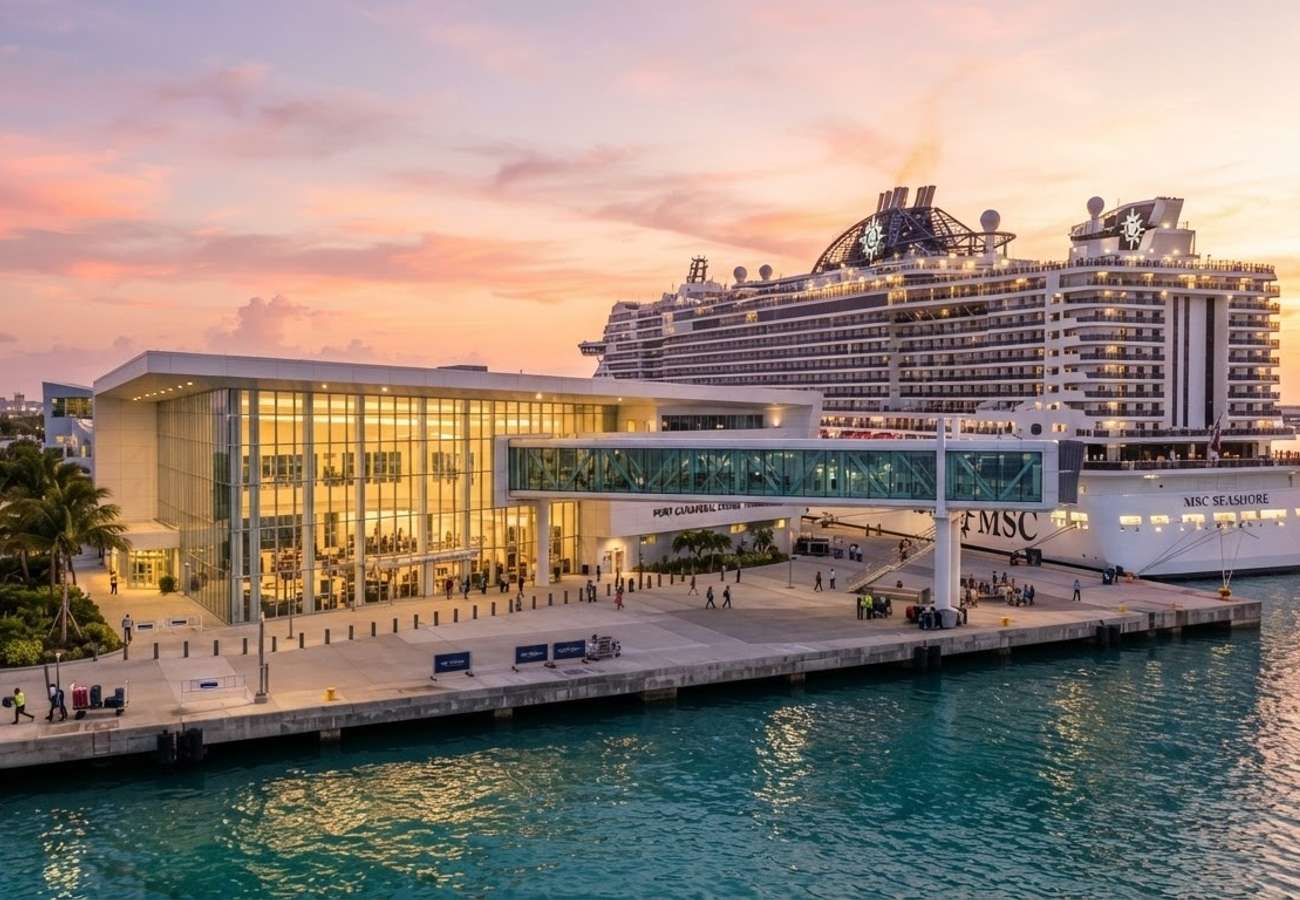
Image generated by AI
Port Canaveral has commenced a $95 million redevelopment of Cruise Terminal 10, designed to scale operations for the world's largest cruise vessels. The project aims to eliminate embarkation bottlenecks and modernize passenger hospitality before its scheduled completion in November 2027.
Modernizing Florida's Atlantic Gateway
Port Canaveral is implementing a comprehensive overhaul of Cruise Terminal 10 to address the logistical pressures of the growing global cruise industry. The investment focuses on two primary vectors: operational throughput and passenger experience. As one of the busiest cruise hubs globally, the port serves as a primary conduit for itineraries spanning the Caribbean and the Bahamas.
The redevelopment introduces a revised interior concept centered on "modern hospitality." Key architectural changes include a striking glass façade to maximize natural light and the integration of colorful artwork to reduce the sterile feel typical of transit hubs. This shift reflects a broader industry trend where the terminal is viewed as the beginning of the vacation experience rather than a mere processing center.
Operational Enhancements and Capacity Scaling
To handle the increased passenger volumes associated with mega-ships, the project targets specific friction points in the embarkation and disembarkation process. The upgrade includes expanded security screening areas and larger luggage processing zones, which are essential for reducing queue times during peak turnaround days.
Beyond the floor plan, the terminal is receiving critical infrastructure updates to support high-density crowds:
- Installation of new elevators and escalators to improve vertical mobility.
- Implementation of updated signage systems for intuitive wayfinding.
- Complete upgrades to heating, ventilation, and air conditioning (HVAC) systems to ensure climate control for thousands of simultaneous users.
Project Specifications and Timeline
| Parameter | Detail |
|---|---|
| Total Investment | $95 Million |
| Facility | Cruise Terminal 10 |
| Completion Date | November 2027 |
| Primary Focus | Passenger flow, security expansion, and mega-ship capacity |
| Key Features | Glass façade, expanded luggage zones, HVAC upgrades |
| Regional Impact | Enhanced connectivity for Orlando and Central Florida tourism |
Traveler Logistics Guide: Navigating Port Canaveral
From a ground-level perspective, the best way to navigate Port Canaveral during this transition period is to account for ongoing construction. While the port remains fully operational, passengers should expect shifting signage and temporary walkways near Terminal 10.
Booking and Connections For those connecting from Orlando International Airport (MCO), it is recommended to book transfers at least 24 hours in advance. Given the terminal's proximity to major theme parks, traffic congestion on A1A and Highway 528 can be unpredictable. We suggest a minimum 4-hour buffer between flight arrival and your scheduled cruise check-in window.
Digital Transit and Customs While the terminal focuses on physical infrastructure, travelers should utilize cruise line apps for digital check-in to bypass manual processing. For international visitors, ensure all customs documentation is digitized. If you are utilizing biometric boarding options provided by specific cruise lines, ensure your passport is updated to avoid delays at the expanded security checkpoints.
Infrastructure Impact Assessment
The $95 million investment is a strategic move to maintain Port Canaveral's competitiveness against other Florida hubs. By upgrading Terminal 10, the port ensures it can accommodate the next generation of cruise vessels, which feature higher passenger capacities and more complex boarding requirements.
This expansion has a multiplier effect on the regional economy. Improved terminal efficiency increases the volume of visitors who utilize local hotels, restaurants, and transportation services in the Central Florida corridor. By reducing the "stress factor" of embarkation, the port strengthens its appeal to high-spend international tourists who often combine cruise itineraries with visits to Orlando’s theme parks.
A strategic leap in maritime infrastructure ensures Florida remains the premier gateway for the evolving mega-ship era.
Related Travel Guides
Disclaimer
This article is for informational and educational purposes only. It does not constitute legal, financial, or professional advice. While we strive to provide accurate and up-to-date information, travel policies, regulations, and conditions change rapidly. Always verify information with official sources before making travel decisions. Nomad Lawyer makes no representations about the accuracy, reliability, completeness, or suitability of the information provided. Readers should consult qualified professionals for advice specific to their circumstances. The views expressed in this article are those of the author and do not necessarily reflect the views of Nomad Lawyer.
Preeti Gunjan
Contributor & Community Manager
A passionate traveller and community builder. Preeti helps grow the Nomad Lawyer community, fostering engagement and bringing the reader experience to life.
Learn more about our team →