
Major Travel Disruptions Hit Phoenix Sky Harbor International Airport: Nearly 200 Flights Delayed and Six Canceled as American Airlines, Southwest, Delta, and United Passengers Face Extensive Delays on Key Domestic Routes Including Dallas, Chicago, Los Angeles, Denver, Seattle, Las Vegas, and New York
Massive flight disruptions at Phoenix Sky Harbor (PHX). 192 delays and 6 cancellations impact American, Southwest, Delta, and United Airlines.

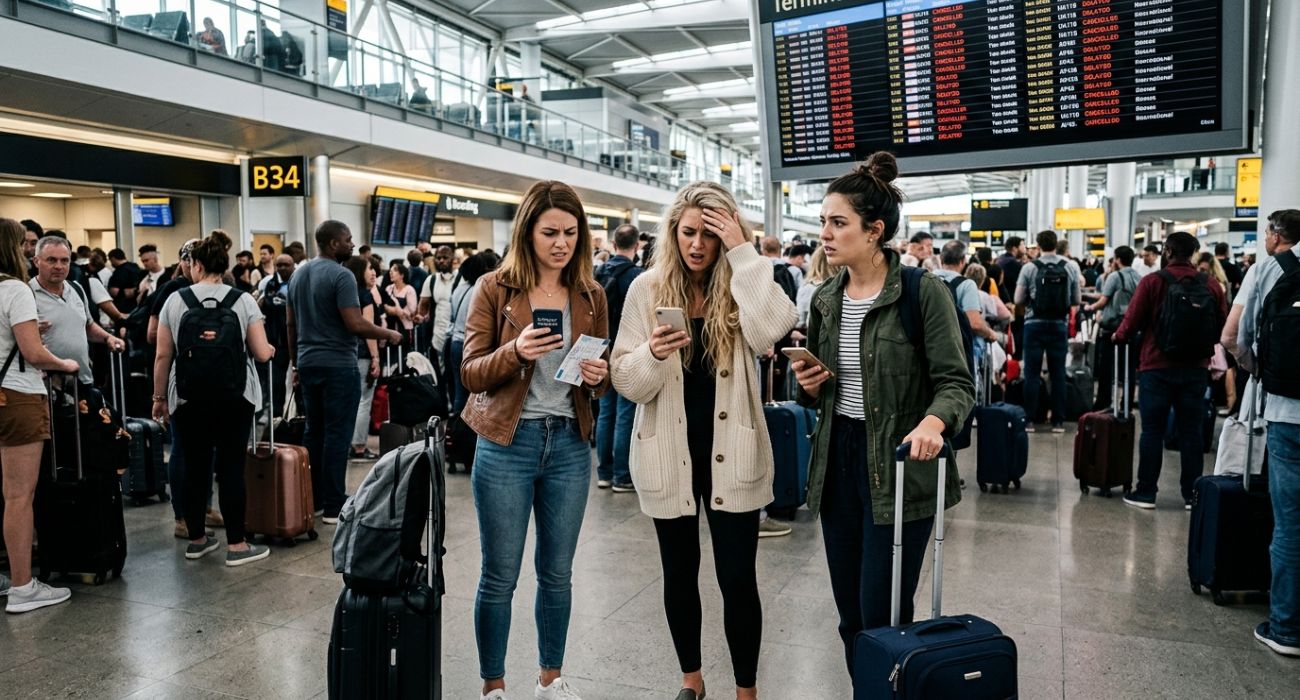
Image generated by AI
Quick Summary
- Massive disruption at Phoenix Sky Harbor (PHX): 192 flights delayed and 6 cancelled.
- Major airlines affected: American, Southwest, Delta, and United.
- Global/National impact: Routes to Chicago, Dallas, LA, Denver, Seattle, Vegas, and NYC disrupted.
- Root causes: Weather-related cascading delays, FAA traffic management, and system-wide strain.
Phoenix Sky Harbor Hit by Massive Travel Chaos — 192 Flights Delayed Today
PHOENIX, AZ — A wave of aviation instability struck Phoenix Sky Harbor International Airport (PHX) on May 7, 2026, leaving hundreds of passengers stranded as 192 flights were delayed and 6 were cancelled. The sudden surge in disruptions has sent ripples through the national aviation network, impacting major carriers and travelers heading to critical destinations across the United States.
The chaos unfolded throughout the day, with terminals at one of America's busiest aviation hubs becoming scenes of frustration. Families, business professionals, and travelers attempting to reach major hubs found themselves caught in a mounting backlog of delays, as operational pressure intensified at the Southwest gateway.
Massive Disruptions Across Major Airlines
The scale of the disruption at PHX was widespread, affecting a "who's who" of the aviation industry. The impact was not limited to any single carrier, as the operational bottlenecks affected a variety of major airlines.
Key carriers impacted include:
- American Airlines
- Southwest Airlines
- Delta Air Lines
- United Airlines
The delays were not localized to Phoenix; because Sky Harbor serves as a primary connecting hub, the ripple effects were felt in major transit points across the country, including:
- Chicago and Dallas
- Los Angeles and Las Vegas
- Denver and Seattle
- New York
The Root Causes: Cascading Weather and Systemic Strain
While Phoenix weather conditions were not the sole driver, aviation experts point to a combination of systemic pressures. The Federal Aviation Administration (FAA) continues to monitor the National Airspace System, noting that disruptions in other regions often "cascade" into Phoenix.
Specific contributing factors include:
- Weather-Related Cascades: Severe weather and low visibility in hubs like Chicago and Dallas triggered a chain reaction, affecting aircraft rotations arriving in Phoenix.
- Traffic Flow Management: The FAA implemented programs to manage airspace congestion, leading to intentional spacing and delays.
- Systemic Infrastructure Strain: Ongoing discussions regarding air traffic controller staffing shortages and growing passenger demand continue to put pressure on high-traffic facilities like PHX.
Impact on National Travel Networks
The disruption at Sky Harbor is particularly significant because of the airport's role in domestic connectivity. The delays heavily impacted key domestic corridors, including:
- Western & Southern Corridors: Routes linking the American Southwest to the Pacific Coast.
- Transcontinental Connections: Essential links between the West Coast and the Eastern Seaboard.
- Regional Hub Interconnectivity: The ability of passengers to move between major domestic transfer points.
As aircraft were delayed in Phoenix, the "knock-on" effect began to appear at secondary airports, where incoming flights from Phoenix arrived significantly behind schedule, disrupting subsequent flight legs.
What This Means for Travelers
For the thousands of passengers caught in the disruption, the reality was one of long waits, missed connections, and uncertainty.
Key challenges faced by travelers included:
- Broken Connections: Passengers arriving on delayed flights missed their onward connections to destinations like Seattle, Denver, and New York.
- Terminal Congestion: Long customer service lines and crowded gate areas became common scenes as travelers sought updates.
- Human Impact: Beyond the data, the delays resulted in interrupted vacations, postponed reunions, and significant stress for families and business travelers.
Looking Ahead: Is the System Under Strain?
This latest bout of disruption raises critical questions about the resilience of the U.S. aviation infrastructure. As passenger demand continues to climb and the network becomes more interconnected, the ability of major hubs like Phoenix to absorb operational shocks is being tested.
Aviation analysts suggest that while the industry is managing significant volumes, the intersection of weather volatility and staffing-related operational bottlenecks remains a critical challenge for the months ahead.
FAQ: Phoenix Sky Harbor Flight Disruptions
Why are my flights in Phoenix being delayed? Delays are often caused by a combination of severe weather in other parts of the U.S. (like Chicago or Dallas), FAA traffic management programs, and the "cascading effect" where late-arriving planes cause subsequent departures to be delayed.
Which airlines are most affected by the Phoenix delays? Major carriers including American Airlines, Southwest, Delta, and United have all reported significant impacts to their schedules due to the recent disruptions at PHX.
Will the airport terminals still be open during these delays? Yes, terminal operations, including check-in counters, baggage services, and airport amenities, generally continue to operate even when flight schedules are disrupted.
What should I do if my flight from Phoenix is cancelled? You should immediately check your airline's mobile app, contact their customer service, or speak with an agent at the airport. Most airlines will offer rebooking options or travel vouchers depending on the cause of the delay.
Related Travel Guides
Disclaimer
This article is for informational and educational purposes only. It does not constitute legal, financial, or professional advice. While we strive to provide accurate and up-to-date information, travel policies, regulations, and conditions change rapidly. Always verify information with official sources before making travel decisions. Nomad Lawyer makes no representations about the accuracy, reliability, completeness, or suitability of the information provided. Readers should consult qualified professionals for advice specific to their circumstances. The views expressed in this article are those of the author and do not necessarily reflect the views of Nomad Lawyer.
Kunal K Choudhary
Co-Founder & Contributor
A passionate traveller and tech enthusiast. Kunal contributes to the vision and growth of Nomad Lawyer, bringing fresh perspectives and driving the community forward.
Learn more about our team →