
Phoenix Sky Harbor Flight Delays: 163 Flights Disrupted April 11, 2026
Phoenix Sky Harbor experienced 163 flight delays and two cancellations on April 11, 2026, affecting hundreds of passengers and reflecting strain across the U.S. aviation network during peak travel season.

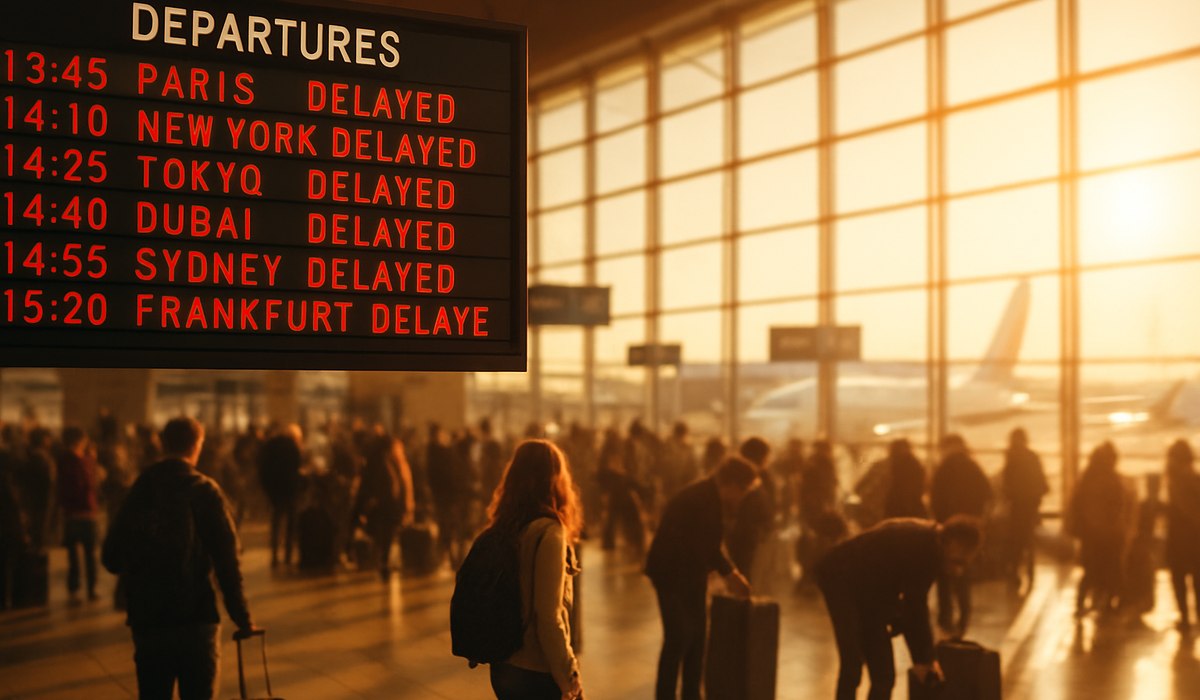
Image generated by AI
Phoenix Sky Harbor Grapples With Rare Operational Disruption
Phoenix Sky Harbor International Airport faced an unprecedented surge in delays on April 11, 2026, when 163 flights were delayed and two canceled, disrupting travel plans for hundreds of passengers. The Arizona hub, typically recognized for reliable operations, experienced cascading scheduling issues that rippled across major U.S. routes including Los Angeles, Chicago, New York, Dallas, and San Francisco. The disruption underscored mounting pressures within the national aviation system as carriers struggle to balance high passenger demand with tight operating margins.
Busy Desert Hub Sees Departure Boards Fill With Delays
Phoenix Sky Harbor handles approximately 1,000 flights daily and serves over 130,000 passengers, positioning it as one of America's most critical aviation hubs. On April 11, the magnitude of phoenix sky harbor flight delays exceeded typical Saturday operations by a significant margin. Flight-tracking data revealed that the majority of affected flights operated through major carriers maintaining substantial Arizona presence, particularly Southwest Airlines and American Airlines, alongside other domestic operators.
The delays concentrated in afternoon and evening departure windows, creating bottlenecks at gate assignments and creating longer turnaround times between flights. Passengers bound for major connecting hubs faced particular vulnerability, with tight connections quickly becoming impossible to maintain. Real-time departure boards cycled through updated delay estimates, leaving travelers uncertain about actual departure windows. The situation reflected operational challenges rather than weather events or safety issues, distinguishing this disruption from typical seasonal delays.
Terminal facilities experienced extended congestion as passengers waited for rebooked flights or alternative routing options. Service counters faced elevated demand as travelers sought solutions for missed connections and rebooking requests. Digital monitoring tools became essential as passengers tracked departure estimate changes through airline mobile applications and flight-tracking platforms.
Late-Arriving Aircraft Drive Cascading Scheduling Issues
The primary catalyst for April 11 flight delays involved late-arriving aircraft from other congested U.S. hubs, triggering a domino effect throughout Phoenix's schedule. When inbound flights from Atlanta, Chicago, Houston, Las Vegas, and Los Angeles arrived behind schedule, outbound services from Sky Harbor faced immediate pressure to maintain published departure times. Aircraft crews and ground operations teams struggled to realign with timetables, creating secondary delays as planes required additional servicing time between flights.
Phoenix's geographic position as a key southwestern connecting point amplified disruption effects. Hub-to-hub dependencies meant that single delays in distant airports cascaded through Arizona operations within hours. The national aviation network experiences frequent stress at major connection points, and Sky Harbor proved no exception during this period of system-wide strain.
Staffing constraints compounded the situation, with ground crews and maintenance personnel working extended hours to expedite aircraft turnarounds. Baggage handling delays further extended ground times, preventing some aircraft from departing on schedule even when other operational elements aligned. The combination of multiple simultaneous pressures created the rare operational environment that produced 163 delayed departures.
Major Carriers Absorb Bulk of Disruption
Southwest Airlines and American Airlines absorbed the majority of delayed flights, reflecting their dominant market presence at Phoenix Sky Harbor. These carriers maintain extensive route networks from Arizona, operating numerous daily departures to major U.S. destinations. The scale of their operations meant that operational challenges affected substantial passenger volumes through both carriers simultaneously.
Other domestic operators including United Airlines, Delta Air Lines, and regional carriers experienced secondary impacts through cascading effects. Visit the FAA's official website for real-time operational status information and system capacity updates. Airlines implemented standard disruption protocols, including rebooking passengers onto later departures, rerouting through alternate hubs, and issuing refunds where significant schedule changes occurred.
Carrier communication varied in timeliness and clarity, though digital notification systems generally provided passengers with updated departure estimates. Major airlines utilized their mobile applications and email alert systems to keep affected travelers informed as situations evolved. Ground staff at Phoenix Sky Harbor worked extended hours coordinating rebooking requests and managing passenger flow through terminals.
National Aviation Network Under Stress
The April 11 disruption at Phoenix Sky Harbor reflected broader challenges affecting U.S. aviation during the week leading up to this date. Industry reporting documented several thousand delays and over one hundred cancellations nationwide, with major disruption clusters at Atlanta, Chicago, Los Angeles, Houston, and Las Vegas hubs alongside Phoenix.
Contributing factors included high seasonal passenger demand, compressed airline scheduling with minimal buffer time, and ongoing staffing challenges across the aviation workforce. Weather systems across the Great Plains and Southwest created ripple effects through major routing corridors. Traffic control constraints at several key facilities contributed to downstream delays affecting Phoenix operations.
The interconnected nature of modern U.S. aviation means that disruptions anywhere in the network impact airport operations nationwide. Local factors at Phoenix, when combined with upstream delays, created the pronounced operational stress documented on April 11. Analysts expect continued system-wide pressure throughout spring and early summer travel seasons as passenger volumes increase.
| Metric | Details |
|---|---|
| Date of Disruption | April 11, 2026 (Saturday) |
| Flight Delays Recorded | 163 flights |
| Flight Cancellations | 2 flights |
| Primary Airlines Affected | Southwest Airlines, American Airlines |
| Major Routes Impacted | Phoenix to Los Angeles, Chicago, New York, Dallas, San Francisco |
| Daily Passengers Affected | Hundreds across multiple flights |
| Primary Cause | Late-arriving aircraft from other hubs, cascading scheduling issues |
| Typical Daily Operations | ~1,000 flights, 130,000+ passengers |
What This Means for Travelers
Passengers navigating U.S. air travel should understand how disruptions like the phoenix sky harbor flight delays on April 11 affect their journeys:
- Monitor flight status frequently using airline apps and FlightAware starting 24 hours before departure
- Arrive earlier than standard recommendations during periods of documented system-wide stress
- Book connecting flights with extended layovers (minimum 2–3 hours) to accommodate upstream delays
- Understand airline rebooking policies before traveling, particularly for tight connections through major hubs
- Document delay circumstances for potential compensation claims under U.S. Department of Transportation regulations
- Consider travel insurance covering airline disruptions when booking through busy periods
- Have contingency plans for missed connections, including hotel arrangements and ground transportation alternatives
Traveler Action Checklist
- Download your airline's mobile app and enable flight status notifications immediately
- Check FlightAware for real-time airport delay statistics before heading to the terminal
- Confirm current departure time via direct airline contact 2–3 hours before your scheduled flight
- Photograph your boarding pass and itinerary for documentation if delays exceed one hour
- Request written delay confirmation from airline customer service for compensation record-keeping
- Identify alternate flights and connection points on your carrier's website before disruption occurs
- Save the U.S. Department of Transportation consumer page contact information for unresolved issues
Frequently Asked Questions
What causes cascading flight delays at major U.S. hubs like Phoenix Sky Harbor? Cascading delays occur when inbound aircraft arrive late from other congested hubs, preventing timely turnarounds for outbound flights. Late crews, baggage handling delays, and compressed scheduling with minimal buffer time amplify these effects. Phoenix's role as a southwestern connecting point means delays from distant airports quickly impact its operations.
Are passengers entitled to compensation for flight delays within the United States? U.S
Raushan Kumar
Founder & Lead Developer
Full-stack developer with 11+ years of experience and a passionate traveller. Raushan built Nomad Lawyer from the ground up with a vision to create the best travel and law experience on the web.
Learn more about our team →