
Philippines Upper-Middle Income: Economic Milestone Transforms Tourism Landscape in 2026
The Philippines edges toward upper-middle-income status in 2026 as sustained economic growth and rising gross national income reshape travel opportunities and infrastructure across the nation.

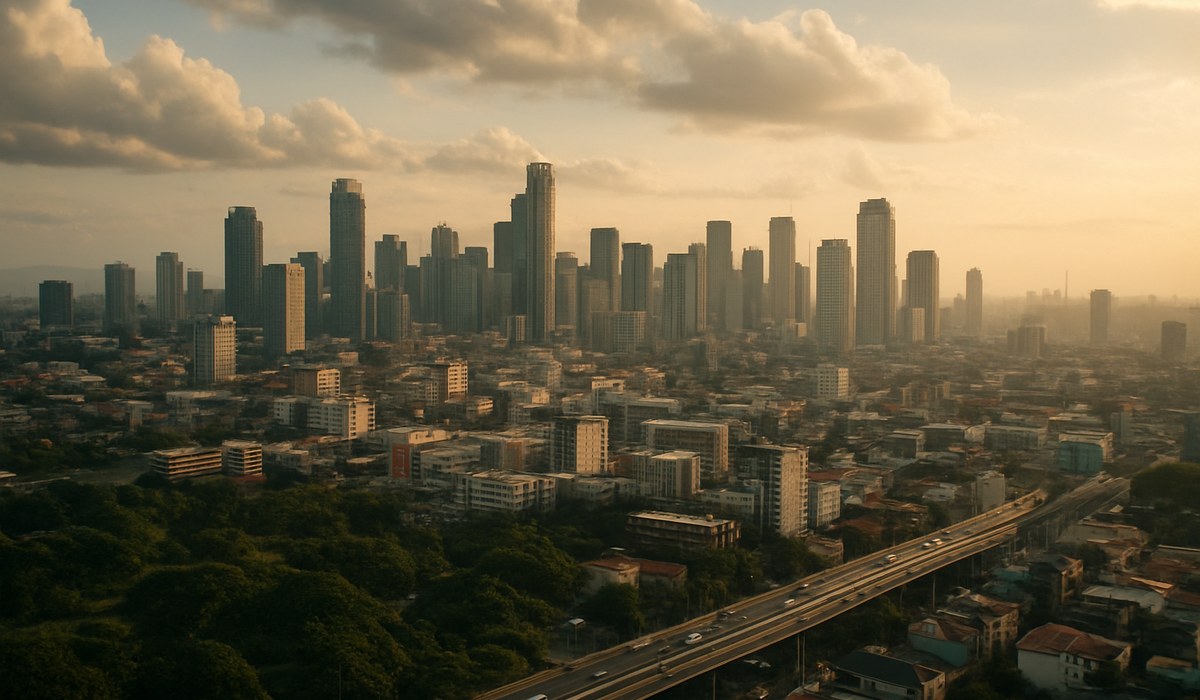
Image generated by AI
The Philippines Reaches a Critical Economic Turning Point
The Philippines is approaching upper-middle-income status as gross national income surges and economic expansion accelerates throughout 2026. This transformative milestone signals substantial infrastructure investment, enhanced tourism services, and improved travel accessibility across the archipelago. The nation's sustained economic performance positions it as an increasingly attractive destination for international visitors seeking emerging Asian markets with competitive pricing and world-class hospitality.
Economic Growth Driving Tourism Infrastructure Expansion
The Philippines' rapid economic advancement directly translates into expanded airport capacity, modern hotel developments, and upgraded transportation networks. Manila's Ninoy Aquino International Airport (MNL) is undergoing major terminal renovations to handle record visitor volumes. The airport authority has invested heavily in digital systems, baggage handling automation, and passenger flow improvements. These upgrades reduce travel friction and enhance the arrival experience for international tourists. The Philippine Tourism Board confirms that middle to upper-middle-income classification enables government budgets for destination marketing and safety initiatives. Airlines including Philippine Airlines (PAL) are expanding fleet capacity and adding direct routes to secondary cities like Cebu and Davao, making regional exploration more accessible.
Gross National Income Growth Elevates Service Standards
Rising gross national income per capita has transformed hospitality quality throughout the country. Local hospitality workers benefit from higher wages, professional training, and career advancement opportunities. This elevated income base strengthens staff retention, reducing service gaps that plague budget destinations. Manila's hospitality sector, particularly in districts like Makati and BGC (Bonifacio Global City), now competes directly with Singapore and Bangkok for upscale business travelers. Middle-market hotel brands have entered secondary markets in Palawan, Boracay, and Camiguin, offering three and four-star properties where only budget options existed previously. Higher purchasing power among Filipino service providers translates directly into better customer experiences, authentic cultural engagement, and safer tourism ecosystems.
Rising Living Standards Create Better Traveler Safety Infrastructure
Upper-middle-income status correlates with improved public safety investments and emergency response systems. The Philippines has significantly enhanced police presence in tourist zones, implemented CCTV networks in major cities, and established dedicated tourism police units. Boracay Island now operates 24-hour security patrols and professional lifeguard services that rival international beach destinations. Improved healthcare facilities in tourist hotspots provide travelers with confidence in emergency medical care. The nation's sustainable economic growth has enabled municipal governments to invest in road safety, traffic management, and disaster preparedness—critical factors influencing traveler confidence and repeat visitation.
Best Time to Visit the Philippines in 2026
The dry season from November through May remains optimal for Philippine tourism, with March offering perfect weather for island exploration. During March, temperatures range from 28–32°C (82–90°F) across the archipelago, providing ideal conditions for beach activities, diving, and trekking. Humidity levels are manageable, and rainfall is minimal throughout the region. Lonely Planet's Philippines guide recommends March for visiting Palawan, the Visayas, and Mindanao due to calm seas and excellent underwater visibility. This period also coincides with reduced crowds compared to December-February peak season, allowing more intimate experiences at popular sites like El Nido and the Mayon Volcano region. April marks the beginning of summer heat, making March the sweet spot for comfort and accessibility.
How to Get There: Enhanced Connectivity in 2026
Manila's Ninoy Aquino International Airport serves as the primary entry point, with expanded international carrier options and improved ground transportation. Direct flights from major Asian hubs (Bangkok, Singapore, Hong Kong) take 2–4 hours. North American travelers typically connect through Taipei, Seoul, or Tokyo (total travel time 18–24 hours). The airport now features express rail connections to central Manila, reducing taxi dependence and journey times to the city center from 90 minutes to 25 minutes. Regional airports in Cebu (CEB) and Davao (DVO) offer viable alternatives, particularly for visitors targeting the Visayas or Mindanao. Domestic connectivity via Philippine Airlines, Cebu Pacific Air, and budget carriers enables efficient multi-island itineraries without returning to Manila. TripAdvisor's Philippines travel guide lists current airline schedules and airport facilities.
Practical Travel Tips for the Changing Philippine Market
Budget allocation has shifted due to rising middle-income status. Expect moderate price increases in premium accommodations and dining, though value remains competitive against Thailand or Indonesia. Carry Philippine peso (PHP) in mixed denominations—ATMs are widely available in urban areas but sparse in remote islands. Book accommodations and internal flights 4–6 weeks in advance during peak season to secure preferred dates and better rates. Mobile money services like GCash and PayMaya are universally accepted, making digital payments feasible even in smaller towns. Travel insurance is recommended for adventure activities and medical emergencies. The improved telecommunications infrastructure means mobile data is reliable across most populated areas, simplifying navigation and real-time communication.
| Economic & Travel Metric | 2026 Status | Impact on Travelers |
|---|---|---|
| Gross National Income Growth | Rising toward upper-middle tier | Higher service standards and safety investments |
| Airport Passenger Capacity | Expanded 35% since 2024 | Reduced delays and improved facilities |
| Hotel Development Rate | Middle-market segment growth | Better quality options at competitive prices |
| Tourism Police Units | Operating in 12 major destinations | Enhanced security in key visitor areas |
| Domestic Flight Connectivity | 40+ daily routes expanded | Easier inter-island travel and itinerary flexibility |
| Healthcare Facility Rating | 85% accredited in tourist zones | Reliable emergency care access |
What This Means for Travelers
The Philippines' climb toward upper-middle-income status directly benefits international visitors:
-
Infrastructure quality jumps—Airports, roads, and utilities receive substantial investment, reducing travel delays and connectivity problems.
-
Service professionalism improves—Higher wages and training standards mean more attentive, knowledgeable hospitality staff across all price points.
-
Safety measures strengthen—Dedicated tourism police, CCTV networks, and emergency systems provide greater confidence in remote destinations.
-
Price-to-value ratio shifts moderately—Expect 15–25% increases in premium segments, but value remains exceptional compared to Thailand or Vietnam.
-
Accommodation variety expands—Growth in middle-market three and four-star properties reduces the budget-to-luxury gap, enabling more personalized experiences.
-
Booking confidence increases—Improved digital infrastructure and payment systems streamline reservations and reduce transaction uncertainty.
Frequently Asked Questions
How does the income philippines upper-middle classification affect travel costs? Upper-middle-income status typically increases service-sector wages and operating costs by 15–25%, particularly in premium accommodations, dining, and guided tours. Budget accommodations remain affordable, though mid-range hotels and restaurants see moderate price appreciation. Overall, the Philippines remains significantly cheaper than Thailand, Indonesia, or Malaysia for equivalent service quality.
What infrastructure improvements should travelers expect with income philippines upper growth? Major improvements include expanded airport terminals, faster rail connections to city centers, enhanced public safety systems, and upgraded healthcare facilities in tourist zones. Road conditions have improved substantially in major island routes. Mobile data reliability has increased across populated areas, benefiting navigation and communication.
When is the best time to visit as the Philippines transitions to upper-middle-income status? March through May offers optimal weather (dry season, 28–32°C temperatures) and manageable crowds. This period precedes summer heat and monsoon patterns. The economic growth hasn't disrupted seasonal patterns, so booking 4–6 weeks in advance remains standard practice.
Will the upper-middle-income transition affect visa requirements or entry procedures? No changes to visa policies are anticipated. The Philippine government maintains its existing 30-day tourist visa exemption for most nationalities. Economic classification influences domestic policy and development priorities, not immigration regulations. Verify current requirements with your nearest Philippine embassy before travel.
Related Travel Guides
Philippines Travel Guide: Island-Hopping Routes for 2026 Cebu and the Visayas: Emerging Destination Guide Manila's Modern Districts: Where Growth Meets Culture
Disclaimer
This article is for informational and educational purposes only. It does not constitute legal, financial, or professional advice. While we strive to provide accurate and up-to-date information, travel policies, regulations, and conditions change rapidly. Always verify information with official sources before making travel decisions. Nomad Lawyer makes no representations about the accuracy, reliability, completeness, or suitability of the information provided. Readers should consult qualified professionals for advice specific to their circumstances. The views expressed in this article are those of the author and do not necessarily reflect the views of Nomad Lawyer.
Raushan Kumar
Founder & Lead Developer
Full-stack developer with 11+ years of experience and a passionate traveller. Raushan built Nomad Lawyer from the ground up with a vision to create the best travel and law experience on the web.
Learn more about our team →