
Travel Thailand Tourism in Crisis: Pattaya Faces Airfare Surge and Fee Shock
Travel thailand tourism faces a critical affordability crisis in March 2026 as Pattaya confronts soaring airfares, escalating ATM fees, and currency exchange markups that threaten to deter foreign visitors before they arrive.

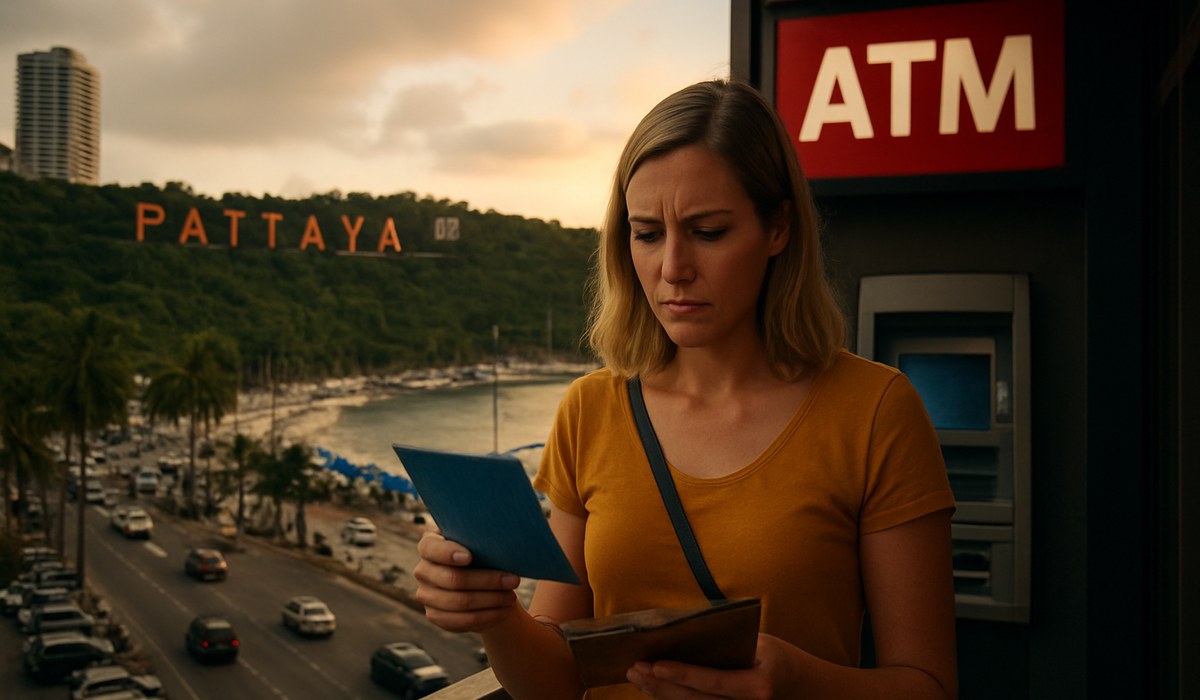
Image generated by AI
Pattaya's Growing Affordability Challenge Threatens Tourist Arrivals
Pattaya is confronting a perfect storm of rising travel expenses that threatens to undermine its appeal as a budget-friendly beach destination. Foreign tourists now face mounting obstacles even before landing in Thailand: elevated airfares to Bangkok and regional airports, punishing ATM withdrawal fees, and unfavorable currency exchange rates. Travel thailand tourism experts warn that cumulative costs are deterring price-sensitive visitors, putting pressure on local hospitality operators who depend on consistent tourist flow.
Airfare Surge: Why Flights to Thailand Cost More in 2026
Flight prices to Thailand have climbed significantly in early 2026. Major carriers serving Southeast Asia report fuel surcharges, increased demand during the region's peak season, and limited seat availability driving up fares. Travelers booking flights to Suvarnabhumi Airport (BKK) in Bangkok or Phuket International Airport often encounter round-trip costs 15–25% higher than comparable flights in 2025. For visitors targeting Pattaya, which sits about 150 kilometers southeast of Bangkok, the total journey involves either a domestic connecting flight or a three-hour ground transfer, adding to overall travel expenses.
Budget carriers like Thai AirAsia and Nok Air have raised base fares despite competitive pressures. Airfare comparison tools on TripAdvisor show that mid-range economy tickets from major Western cities now routinely exceed $900 per person. This represents a substantial barrier for families and independent backpackers who previously viewed Thailand as an ultra-affordable destination. Lonely Planet travel guides consistently recommended Pattaya as a budget-conscious alternative to Phuket, but rising airfares undercut that positioning.
ATM Fees and Currency Markups: Hidden Costs at Every Withdrawal
Foreign visitors withdrawing cash in Pattaya encounter fees that compound frustration. Thai banks impose withdrawal charges ranging from 150 to 220 Thai Baht ($4–$6 USD) per transaction on foreign ATM cards. When combined with fees levied by overseas banks, total ATM costs can reach $8–$12 per withdrawal. A traveler needing cash multiple times during a week-long stay faces cumulative fees of $40–$60, which significantly dents budget-travel economics.
Currency exchange markups at money changers and hotels further erode purchasing power. Official rates hover around 32–34 Thai Baht per US dollar, but street-level exchanges in Pattaya's downtown districts often offer rates of 30–31 Baht per dollar, representing a 4–6% loss on every transaction. Hotels commonly apply even steeper markups on currency conversions. Travelers converting $1,000 USD at unfavorable rates can lose $60–$100 in value, making early-trip currency decisions critical to budget management.
Why Travel Thailand Tourism Demand Is Shifting Away from Pattaya
Pattaya's loss of competitiveness extends beyond cost factors. Neighboring destinations now offer better value propositions. Hua Hin, a quieter coastal city 200 kilometers south of Bangkok, attracts budget-conscious travelers seeking lower accommodation rates and fewer fees. Koh Chang, an island in Thailand's eastern region, appeals to visitors who prioritize nature experiences over urban nightlife, often at comparable or lower total costs.
Regional competition from Vietnam and Cambodia has intensified. Travelers crossing between countries via land borders to Vietnam's Phu Quoc Island or Cambodia's Sihanoukville report paying fewer ATM fees and encountering more favorable informal exchange rates. This diversion of tourist flows represents a tangible economic threat to Pattaya's hospitality sector, which employs over 80,000 workers directly in accommodation, food service, and entertainment.
Best Time to Visit Thailand Amid Rising Costs
The shoulder season of April to May offers a strategic window for cost-conscious travelers to visit Pattaya and broader Thailand. Airfare prices typically moderate during these months as peak winter tourism wanes. Accommodation rates drop 20–30% compared to March rates, offsetting higher arrival costs. This timing balances weather (hot but not monsoon-affected) with reduced pricing pressure.
Alternatively, travel thailand tourism specialists recommend visiting in September through November, when rates hit their lowest annual levels. Tourist volumes decline, creating buyer's-market conditions for hotels and tours. However, September brings early monsoon rains requiring weather flexibility. December through February remains the most expensive period due to ideal weather and maximum foreign visitation.
How to Get There: Routes to Pattaya in 2026
Most foreign visitors arrive in Thailand via Suvarnabhumi Airport (BKK) in Bangkok, then travel overland to Pattaya. The journey takes 2.5 to 3.5 hours depending on traffic and vehicle type. Options include:
Scheduled buses: Thai transport companies operate air-conditioned coaches from Bangkok's Northern Bus Terminal (Mo Chit) to Pattaya's central station for 80–120 Thai Baht ($2.50–$3.75 USD). This remains the most budget-friendly surface option.
Private taxis and ride-sharing: Uber and Grab operate in Bangkok and intermediate areas, with Pattaya trips costing 800–1,200 Baht ($24–$36 USD) depending on demand. Avoid unmarked taxis, which frequently overcharge foreign passengers.
Domestic flights: Thai airlines offer Bangkok-Pattaya regional flights, though connecting times and baggage fees often negate time savings compared to ground transport. Direct flights to Phuket International Airport (HKT) provide faster alternative entry, with onward travel to Pattaya via bus or rental car.
| Transportation Option | Cost (USD) | Duration | Best For |
|---|---|---|---|
| Scheduled bus from Bangkok | $2.50–$3.75 | 3 hours | Budget travelers, flexible schedules |
| Grab/Uber from BKK | $24–$36 | 2.5 hours | Comfort-seeking couples, small groups |
| Rental car (daily rate) | $25–$40 | Self-directed | Independent explorers, week-long stays |
| Private driver service | $45–$70 | 2.5 hours | Groups, airport convenience |
| Domestic Bangkok-Pattaya flight | $35–$50 | 1 hour flight + transfers | Business travelers, time-pressed visitors |
| Hotel airport shuttle | $8–$15 | 3–4 hours | Pre-arranged hotel guests |
What This Means for Travelers Planning Pattaya Visits
The convergence of rising airfares, ATM fees, and currency markups demands strategic planning:
-
Book flights 6–8 weeks ahead to secure lower fares before peak booking windows close.
-
Arrange currency exchange before departing home through your bank or XE.com to avoid in-country markups and ATM fees on repeated withdrawals.
-
Use credit cards with no foreign transaction fees (such as Charles Schwab or similar travel-optimized cards) to minimize conversion losses.
-
Budget explicitly for hidden fees: allocate $10–$15 daily for ATM withdrawals and currency conversion losses, not just accommodation and meals.
-
Consider alternative destinations if Pattaya's total cost trajectory exceeds your trip budget—Hua Hin and Koh Chang often deliver superior value for equal experiences.
-
Choose mid-range accommodation over budget hostels during shoulder seasons, as rates often converge, and private rooms offer better amenities for comparable nightly costs.
Frequently Asked Questions
How has travel thailand tourism changed in March 2026? Travel thailand tourism faces affordability pressures from elevated airfares (up 15–25% year-over-year), increased ATM fees (150–220 Baht per withdrawal), and unfavorable currency exchange rates. Foreign visitor numbers remain volatile, with some demographic segments—backpackers and retirees—deferring trips in response to cumulative cost increases.
What are typical ATM fees for foreign visitors withdrawing cash in Pattaya? Thai banks charge 150–220 Baht ($4–$6 USD) per withdrawal from foreign ATM cards. Combined with overseas bank fees, total costs range from $8–$12 per transaction. Weekly travelers withdrawing cash 3–4 times pay $40–$60 in fees alone, making advance currency planning essential.
When is the best time to visit Pattaya to avoid high airfares and fees? The April-May shoulder season and September-November low season offer the best value. Airfare prices moderate 10–20% outside peak winter months, and accommodation rates drop 20–30%. September-November reaches the lowest annual pricing, though early monsoon rains may occur. Plan longer stays to justify the airfare cost and maximize value.
Which alternative Thai destinations offer better value than Pattaya in 2026? Hua Hin, located 200 kilometers south of Bangkok, delivers lower accommodation rates and fewer ATM fees. Koh Chang island attracts budget-conscious travelers seeking nature-based experiences at reduced costs. Both destinations avoid the currency markup issues prevalent in Pattaya's tourist-centric commercial zones.
Related Travel Guides
- Flights Cancelled Throughout Europe As 1,562 Delays And 81 Cancellations Disrupted Air Travel Across London And 11 Others
- Germany Flight Chaos Grounds Hundreds at Frankfurt, Munich in April 2026
- Indonesia Maintained Mount Semeru Alert at Level 3 Following Thirty-Five Eruption Earthquakes, Advising East Java Travelers in Lumajang and Malang to Observe Local Exclusion Zones: New Travel Alert
Disclaimer
Disclaimer
This article is for informational and educational purposes only. It does not constitute legal, financial, or professional advice. While we strive to provide accurate and up-to-date information, travel policies, regulations, and conditions change rapidly. Always verify information with official sources before making travel decisions. Nomad Lawyer makes no representations about the accuracy, reliability, completeness, or suitability of the information provided. Readers should consult qualified professionals for advice specific to their circumstances. The views expressed in this article are those of the author and do not necessarily reflect the views of Nomad Lawyer.
Preeti Gunjan
Contributor & Community Manager
A passionate traveller and community builder. Preeti helps grow the Nomad Lawyer community, fostering engagement and bringing the reader experience to life.
Learn more about our team →