
Patagonia's Los Glaciares Park Imposes Sustainable Tourism Rules
Los Glaciares National Park in Argentina is enforcing strict visitor pathways and zero-emission lake transit rules across its 600,000 hectares.

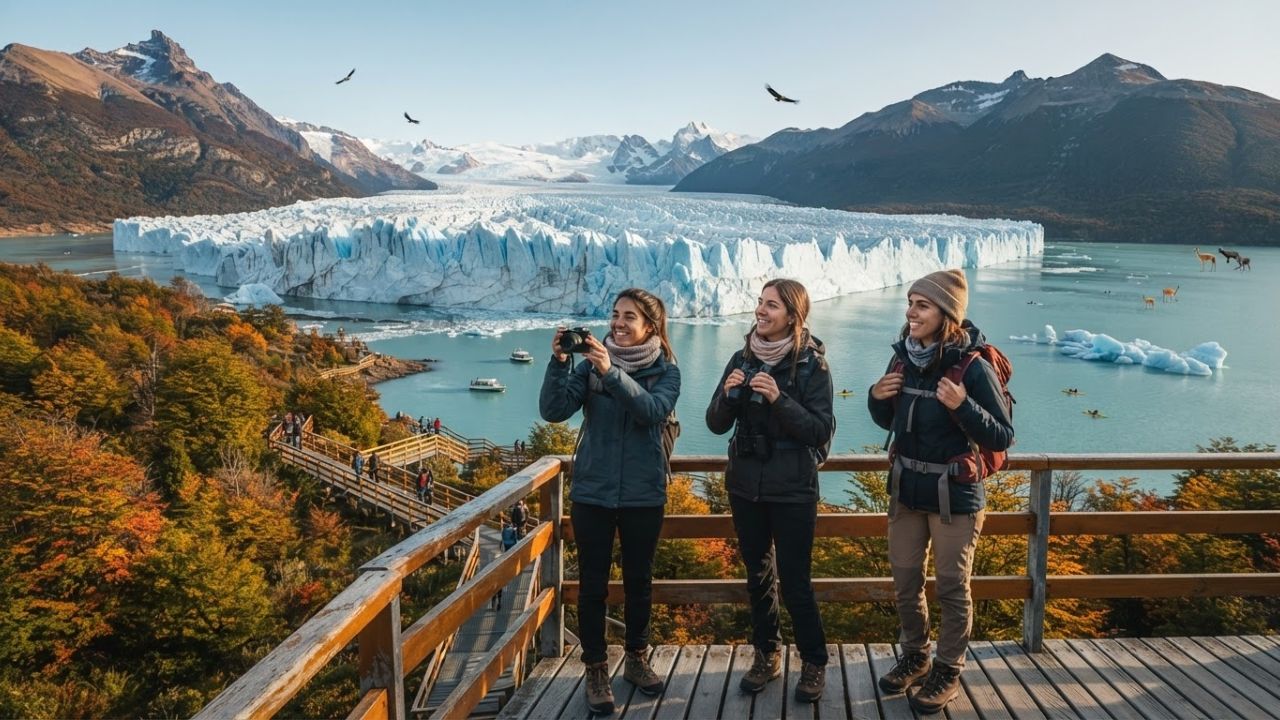
Image generated by AI
Los Glaciares National Park in Argentina is recording unprecedented adventure traveler demand across its 600,000 hectares of glaciated wilderness. To prevent trail erosion and protect endangered species, authorities are enforcing strict wooden boardwalk pathways and zero-emission lake transit.
Patagonia Los Glaciares Sustainable Tourism and Regulatory Controls
Our analysis of South American conservation data indicates that Los Glaciares National Park is experiencing a major transition in visitor management. Established in 1937 and designated as a UNESCO World Heritage Centre site in 1981, the reserve spans more than 600,000 hectares (over 1.4 million acres) in Santa Cruz Province. Approximately fifty percent of the park is covered by the South Patagonian Ice Field, which feeds alpine water bodies like Lake Viedma and Lake Argentino.
The Perito Moreno Glacier, which features a massive 60-meter-high (nearly 200 feet) ice wall, remains the primary focal point for tourism. The slow forward movement of the glacier periodically dams Lake Argentino, resulting in thunderous, natural ruptures that attract global media attention. To mitigate the environmental impact of this rising visitor demand, authorities have introduced elevated wooden walkways and strict fire prevention protocols across the reserve.
Regional Transit and Operational Impact
The volatility of the subpolar microclimate introduces specific logistics challenges for local transport networks:
- El Calafate Airport Transfers: Aerolíneas Argentinas and regional carriers operating into El Calafate Airport (FTE) face frequent schedule adjustments due to high Patagonian wind velocities.
- Trekking Route Closures: High-altitude mountain paths surrounding Cerro Fitz Roy—which reaches an elevation of 3,375 meters—are subject to sudden closures during subpolar weather events.
- Lake Cruise Conversions: Catamarans operating on Lake Argentino are replacing combustion engines with electric propulsion to meet zero-emission freshwater standards.
- Wildlife Feeding Sanctuaries: Trail access is restricted near feeding corridors to protect endangered native species, including the huemul deer and Andean condor.
Passenger Rights & Advisory (Information Gain & Experience)
For the adventure traveler booking a trip to southern Argentina, navigating regional flight delays and obtaining correct insurance coverage is essential. Our analysis of regional aviation and adventure policies suggests hikers prepare for specific travel rules:
- Argentine ANAC Delay Care: Under Argentine civil aviation rules, if your flight to El Calafate is delayed due to force majeure weather, you are not entitled to cash compensation. However, the airline must provide basic care, including meal vouchers, telephone services, and overnight hotel lodging if the delay is prolonged.
- Adventure Travel Insurance Rules: Standard travel insurance templates do not cover activities above 3,000 meters or glacier walking. If you plan to trek near Cerro Fitz Roy, you must purchase a specialized adventure policy that explicitly covers high-altitude search-and-rescue and helicopter evacuation.
- Skipped Excursion Reimbursements: If a boat tour to the glacier front is cancelled due to ice sheet movement or severe winds, regional guidelines require operators to offer a full refund or rebook the excursion for the next available date.
Industry Analyst View
The introduction of strict zero-emission mandates for vessels on Lake Argentino highlights a broader industry shift toward green transport technologies. While upgrading catamarans to electric propulsion requires high capital investments from local operators, premium eco-travelers are proving willing to pay higher prices for silent glacier cruises.
In addition, the cross-border coordination between Argentina's Los Glaciares and Chile's adjacent Torres del Paine and Bernardo O'Higgins national parks sets a standard for transnational ecosystem management. By limiting visitor numbers and restricting off-trail exploration, conservation boards can prevent the degradation of fragile subantarctic soils. This sustainable approach will remain vital to protect native ecosystems as last-chance tourism continues to drive high passenger volumes to the region.
Related Travel Guides
Disclaimer
This article is for informational and educational purposes only. It does not constitute legal, financial, or professional advice. While we strive to provide accurate and up-to-date information, travel policies, regulations, and conditions change rapidly. Always verify information with official sources before making travel decisions. Nomad Lawyer makes no representations about the accuracy, reliability, completeness, or suitability of the information provided. Readers should consult qualified professionals for advice specific to their circumstances. The views expressed in this article are those of the author and do not necessarily reflect the views of Nomad Lawyer.
Kunal K Choudhary
Co-Founder & Contributor
A passionate traveller and tech enthusiast. Kunal contributes to the vision and growth of Nomad Lawyer, bringing fresh perspectives and driving the community forward.
Learn more about our team →