
Paris Heat Awful: Record Heatwave Forces Early Closures at Major Attractions
France's most severe heatwave since 1947 is forcing early closures at iconic Paris sites. Tourists are scrambling to change travel plans as temperatures hit historic records across the country in 2026.

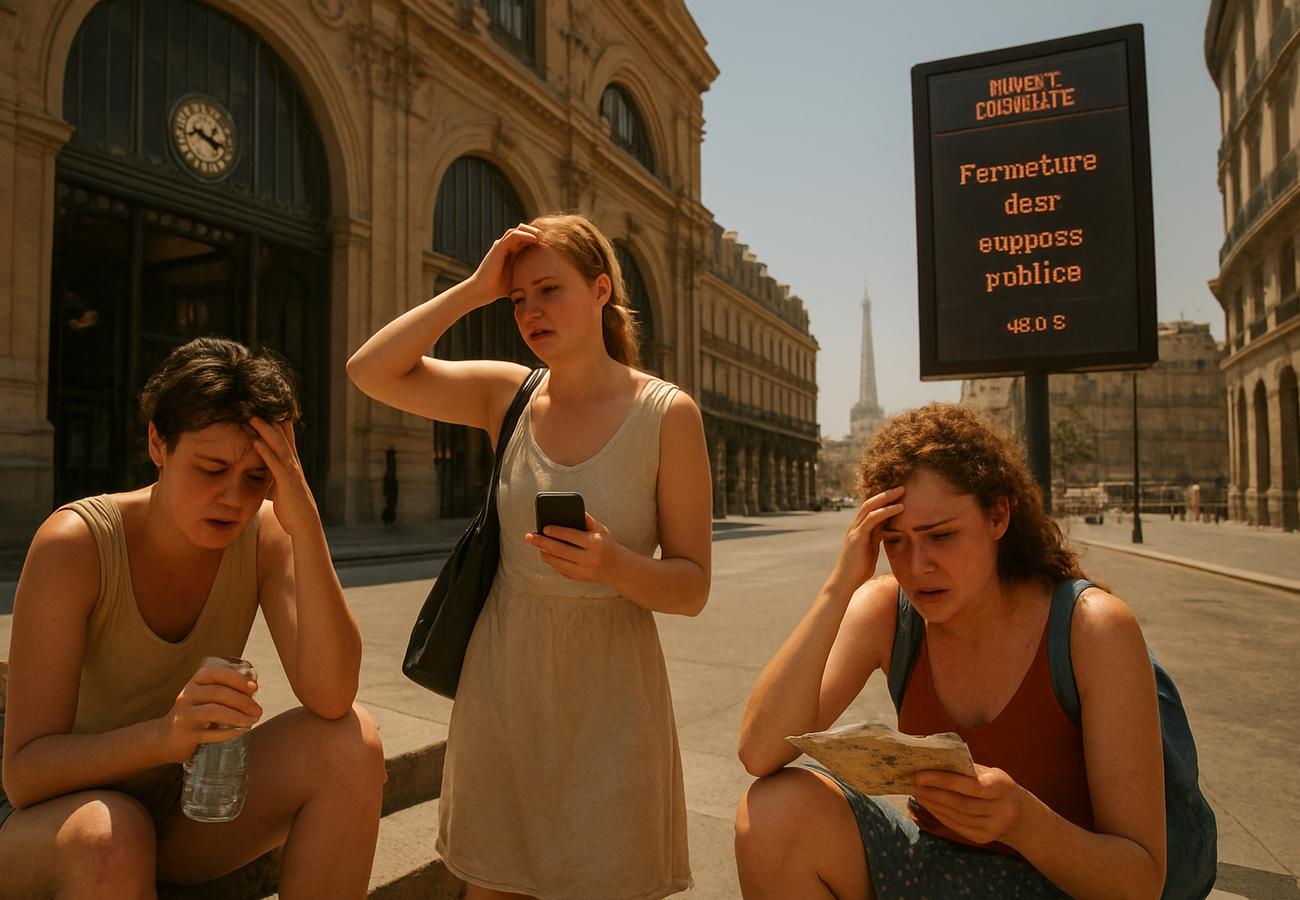
Image generated by AI
Historic Heatwave Disrupts Paris Tourism in 2026
France is currently battling its most intense heatwave since 1947, forcing major tourist attractions across the country to implement emergency early closures. The Eiffel Tower, Louvre Museum, and Mont Saint-Michel have all announced unexpected operational changes as record-breaking temperatures sweep through the nation. Thousands of international travelers are being forced to completely revise their travel plans and itineraries as the "Paris heat awful" conditions persist throughout the region.
France's Extreme Heat Reaches Historic Levels
The current heatwave gripping France represents a weather emergency of unprecedented scale in nearly 80 years. Meteorological data confirms temperatures have surpassed all records dating back to 1947, with many regions experiencing dangerous heat index readings that exceed safe outdoor activity thresholds. Climate experts attribute these extreme conditions to a combination of high-pressure atmospheric systems and reduced cloud cover that has settled over continental Europe.
The heat's intensity has created unsafe conditions not only for tourists but also for essential infrastructure. Museum climate control systems are struggling to maintain proper temperature ranges for invaluable artifacts and paintings. Outdoor attractions face visitor safety concerns as emergency services report increased heat-related medical incidents throughout Paris and surrounding regions. Government authorities have issued formal advisories recommending that non-essential outdoor activities be postponed until temperatures normalize.
Major Paris Attractions Close Early Due to Heat
The Eiffel Tower announced temporary reduced operating hours, limiting visitor access to early morning and evening slots when temperatures are slightly more manageable. The Louvre Museum implemented rotating gallery closures to prevent overcrowding in air-conditioned spaces and to protect priceless artworks from temperature fluctuations. These decisions represent extraordinary measures as both institutions prioritize visitor safety and preservation of cultural heritage.
Mont Saint-Michel, the iconic island monastery attracting over 3 million annual visitors, suspended guided tours and restricted access to upper ramparts. Garden attractions throughout Paris, including the Palace of Versailles grounds, reduced operational hours and recommended visitors bring extensive water supplies. Museums and indoor attractions became the primary refuge for tourists seeking escape from the dangerous outdoor conditions.
Major transportation hubs also experienced disruptions. Train schedules faced delays due to track expansion in extreme heat, while airports reported increased flight delays from weather-related complications. Hotels struggled to maintain comfortable room temperatures despite running air conditioning at maximum capacity, leading to guest complaints and some early checkout requests.
Tourists Forced to Revise Travel Plans
International travelers with carefully planned Paris itineraries suddenly faced impossible choices about how to proceed. Many visitors booked expensive accommodations expecting full access to attractions, only to discover closures upon arrival. Tour operators reported unprecedented cancellation requests as tourists sought refunds or alternative destinations less affected by the extreme weather conditions.
Families with young children and elderly travelers faced particular challenges. The combination of crowded indoor venues, longer wait times for climate-controlled attractions, and dangerous outdoor conditions made traditional sightseeing nearly impossible. Travel agents across Europe reported surging demand for last-minute rebooking services to alternative destinations like Scandinavia and coastal regions where temperatures remained moderate.
Social media filled with frustrated tourist posts describing the challenges of navigating Paris during the heat emergency. Hashtags related to "Paris heat awful" trended globally as travelers shared experiences of melting ice cream, exhausted children, and disappointing attraction closures. Some visitors chose to cut their trips short entirely, sacrificing nonrefundable bookings rather than endure the dangerous conditions.
The economic impact on Paris tourism became immediately apparent as hotels reported lower occupancy rates despite the season being peak summer travel time. Restaurants and cafes experienced reduced evening traffic as tourists retreated to air-conditioned hotel rooms. Small businesses dependent on foot traffic from major attractions suffered significant revenue losses during the crisis period.
Travel Advisory Recommendations for Visitors
Travel authorities issued comprehensive guidance for anyone considering visits to France during this period. Primary recommendations included postponing non-essential travel to major urban centers and iconic attractions until temperatures normalize. For travelers already in France, authorities suggested adjusting plans to focus on indoor, climate-controlled venues and shortened outdoor activities limited to early morning hours.
Health officials emphasized the critical importance of hydration and sun protection for anyone venturing outdoors. Recommended supplies included carrying at least two liters of water per person, applying broad-spectrum sunscreen every two hours, and wearing lightweight, light-colored clothing. Visitors were advised to check attraction websites and social media channels for real-time updates on hours of operation, as schedules changed frequently in response to temperature fluctuations throughout each day.
Travel insurance became increasingly valuable during this period. Visitors with comprehensive coverage including climate-related cancellations were able to recover losses from disrupted plans more effectively. Insurance experts recommended that anyone booking travel to France during late June and July carefully review policy provisions related to extreme weather events.
| Impact Category | Specific Changes | Traveler Effect | Estimated Duration | Severity Level |
|---|---|---|---|---|
| Major Attractions | Eiffel Tower, Louvre early closures | Limited access hours | 7-10 days | High |
| Transportation | Train delays, flight disruptions | Schedule unpredictability | Ongoing | Medium |
| Accommodation | Temperature control issues | Guest discomfort | Full period | Medium |
| Outdoor Activities | Reduced operating hours | Itinerary elimination | 7-10 days | High |
| Medical Services | Increased heat-related incidents | Emergency response strain | Full period | Medium |
| Tourism Revenue | Cancellations, reduced spending | Economic impact on businesses | 7-10 days | High |
What This Means for Travelers
The ongoing heatwave crisis requires immediate action from anyone planning France travel or currently in the country. Here are essential steps to protect your trip and personal safety:
-
Postpone if possible. Check weather forecasts and consider delaying your Paris visit to July or August if your schedule allows flexibility, as heat waves typically subside within 10-14 days.
-
Prioritize indoor attractions. Focus your itinerary on museums, galleries, and climate-controlled venues rather than outdoor sites. Book timed entries in advance to avoid hours-long wait times.
-
Hydrate constantly. Carry 2+ liters of water daily. Stop frequently in air-conditioned spaces to cool down and recover from heat exposure.
-
Verify operating hours daily. Check attraction websites, call ahead, and use real-time travel apps before visiting any site, as schedules change rapidly during extreme heat events.
-
Adjust activity timing. Plan outdoor exploration for 6-9 AM or after 6 PM when temperatures peak less intensely, avoiding midday exposure entirely.
-
Review cancellation policies. Contact your airline, hotel, and tour operators about flexible rebooking options if you decide to postpone your trip.
FAQ
What is causing the current Paris heat awful conditions in France?
High-pressure atmospheric systems combined with reduced cloud cover have created a stalled weather pattern over continental Europe. Climate scientists link these extreme temperature events to broader climate patterns, though individual heat waves result from complex meteorological combinations. France's position in the heart of Europe makes it particularly vulnerable when such pressure systems establish residence for extended periods.
Which Paris attractions are currently closed due to the heat?
The Eiffel Tower, Louvre Museum, Mont Saint-Michel, and Palace of Versailles have all implemented reduced hours or partial closures. Most museums remain open with restricted access to prevent overcrowding. Outdoor attractions including gardens, parks, and observation decks have either closed or severely limited operations. Check official websites for your specific attractions before visiting.
Is travel insurance covering cancellations related to this heatwave?
Coverage varies significantly between policies and insurance providers. Comprehensive travel insurance typically covers extreme weather disruptions, but basic plans may exclude climate-related cancellations. Review your policy details immediately and contact your provider to understand your specific coverage for heat-related changes.
When should I expect temperatures to return to normal levels?
Typical heat waves of this
Disclaimer
This article is for informational and educational purposes only. It does not constitute legal, financial, or professional advice. While we strive to provide accurate and up-to-date information, travel policies, regulations, and conditions change rapidly. Always verify information with official sources before making travel decisions. Nomad Lawyer makes no representations about the accuracy, reliability, completeness, or suitability of the information provided. Readers should consult qualified professionals for advice specific to their circumstances. The views expressed in this article are those of the author and do not necessarily reflect the views of Nomad Lawyer.
Preeti Gunjan
Contributor & Community Manager
A passionate traveller and community builder. Preeti helps grow the Nomad Lawyer community, fostering engagement and bringing the reader experience to life.
Learn more about our team →