
Paraguay Catalyses Alongside Brazil and More South American Countries as Strong Passports Rewrite Travel Rules Worldwide
Paraguay Catalyses Alongside Brazil and More South American Countries as Strong Passports Rewrite Travel Rules Worldwide

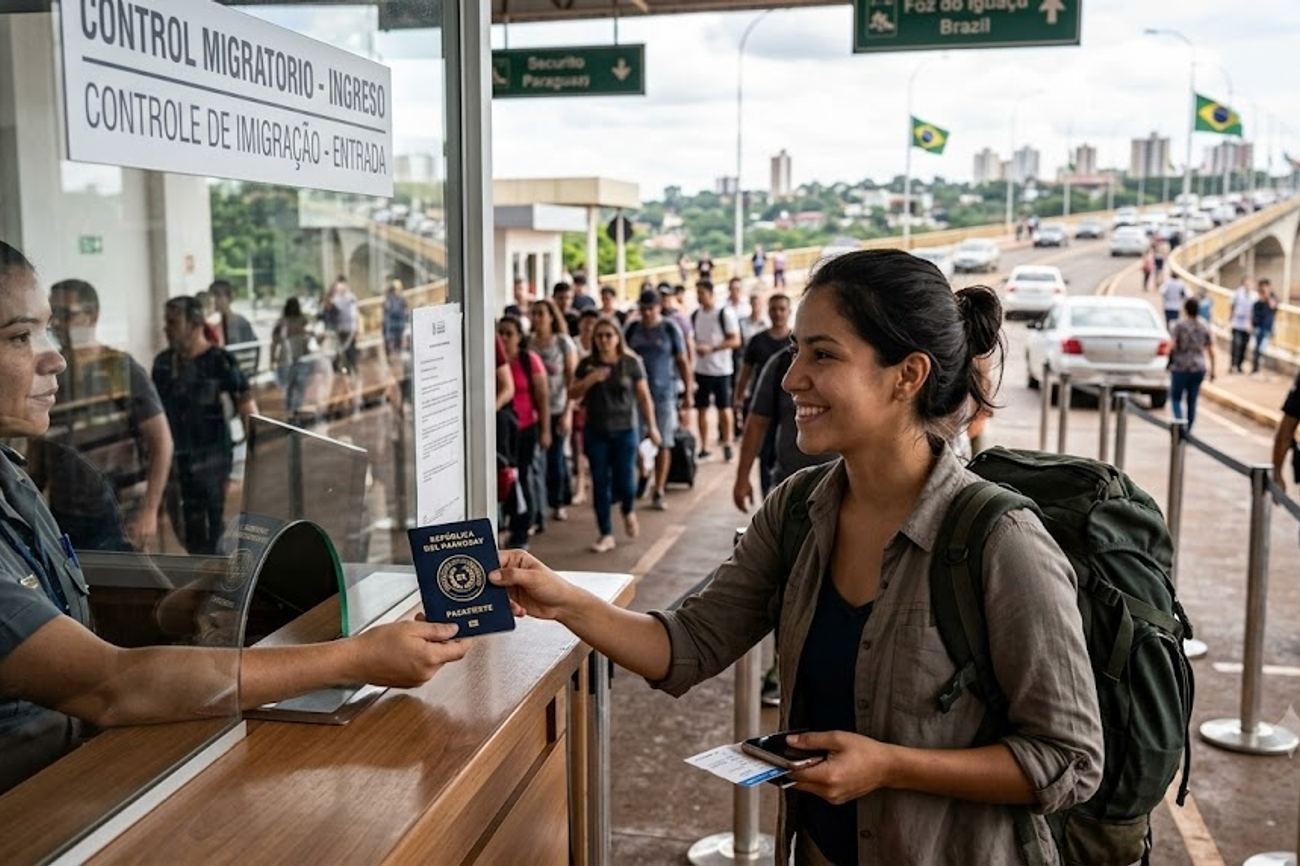
Image generated by AI
145 global destinations are now accessible to Paraguayan passport holders through simplified entry arrangements, marking a significant shift in the mobility profile of the landlocked nation. This expansion of travel freedom is not an isolated event but part of a broader South American trend where passports from Chile, Argentina, Brazil, Uruguay, and Paraguay are being leveraged to rewrite the rules of international movement. By integrating regional agreements with strategic global diplomatic partnerships, Paraguay is transitioning from a regional player to a globally mobile entity, facilitating an unprecedented surge in tourism, corporate exchange, and cultural diplomacy.
The Mercosur Engine and Regional Integration
The foundation of Paraguay's current mobility surge is rooted in the Mercosur framework. This regional trade bloc does more than facilitate commerce; it has fundamentally altered the logistical requirements for crossing borders within South America. For the average Paraguayan traveler, the most immediate impact is the decoupling of travel from the passport itself. In many instances, national identity documents are sufficient for entry into neighboring states, removing the administrative friction typically associated with international transit.
This regional synergy creates a seamless corridor across the Southern Cone. The ease of movement into Argentina, Brazil, Chile, Bolivia, Peru, Colombia, and Uruguay is not merely a matter of convenience but a strategic geopolitical alignment. By reducing the bureaucratic burden on its citizens, Paraguay encourages a fluid exchange of human capital and tourism revenue across its borders, strengthening its ties with the most economically dominant players in the region.
Global Access Mapping and Data Breakdown
While regional access is a given, the true metric of passport strength lies in long-haul accessibility. Paraguay has successfully negotiated entry terms that allow its citizens to bypass traditional visa applications for a vast majority of the world's primary tourism and business hubs. The accessibility is particularly pronounced in the Schengen Area and select high-growth Asian markets.
The following data outlines the current state of Paraguayan global mobility for 2026:
| Region | Access Level | Primary Destinations | Entry Mechanism |
|---|---|---|---|
| South America | Maximum | Argentina, Brazil, Chile, Bolivia, Peru, Colombia, Uruguay | Visa-free / ID Card |
| Europe | High | Spain, France, Germany, Italy, Portugal, Netherlands, Switzerland | Short-stay visa-free |
| Asia | Moderate/High | Japan, Singapore, Malaysia, Hong Kong, Philippines | Visa-free / Simplified |
| North America | Restricted | United States, Canada | Traditional Visa Required |
| North America | Accessible | Mexico | Visa-free |
| Caribbean | High | Bahamas, Barbados, Jamaica, Dominican Republic | Visa-free / Simplified |
The disparity between the accessibility of Mexico and the restrictive nature of the U.S. and Canadian borders highlights a persistent geopolitical divide. While Paraguay has expanded its reach into Europe and Asia, North American entry remains a high-friction process requiring traditional consular interviews and extensive documentation.
Expert Analysis: The Geopolitics of Passport Power
For the modern traveler and the digital nomad, the strength of a passport is a form of "invisible currency." When a nation like Paraguay increases its visa-free destination count to 145, it is effectively lowering the cost of global exploration for its citizens. However, the direct consequence of this shift is a change in the type of travel occurring.
We are seeing a transition from "planned travel"—where trips are dictated by the timing of visa approvals—to "spontaneous travel." When a Paraguayan citizen can enter Japan or Spain without a prior embassy visit, the barrier to entry for business opportunities and niche tourism drops significantly. This creates a pricing pressure on regional airlines and hotel chains as a new wave of South American travelers enters these markets.
Paraguay is enhancing its global connectivity to support growing cruise and land-based tourism, aligning with regional neighbors to streamline border crossings. Travelers can find comprehensive entry requirements and visa regulations through the Ministry of Foreign Affairs of Paraguay, ensuring seamless logistics for international arrivals.
Furthermore, the reliance on the International Air Transport Association (IATA) standards for electronic authorizations is streamlining the process. The shift toward electronic travel authorizations (eTAs) means that while a "traditional" visa is gone, digital surveillance and pre-screening are increasing. Travelers are trading the bureaucracy of the embassy for the efficiency of the algorithm. For those booking routes into Europe or Asia, the lack of a visa does not mean a lack of scrutiny; immigration authorities still prioritize passport validity (typically six months) and proof of onward travel.
The strategic move by South American nations to strengthen their passports is also a hedge against economic volatility. By ensuring their citizens have the mobility to conduct business in Asia and Europe, these countries are diversifying their international dependencies and fostering a more globalized workforce.
Key Takeaways
- Regional Fluidity: Paraguayan citizens can navigate almost all of South America using only national ID cards thanks to Mercosur agreements.
- European Openness: Short-stay visa-free access is active for major Schengen nations, including France, Germany, and Italy, facilitating heritage and business tourism.
- Asian Expansion: High-tech hubs like Singapore, Japan, and South Korea have simplified or removed visa requirements, opening new long-haul corridors.
- North American Friction: Despite global gains, the United States and Canada maintain strict traditional visa requirements for Paraguayan holders.
- Compliance Necessity: Visa-free access is not a guarantee of entry; return tickets, travel insurance, and six-month passport validity remain mandatory requirements.
FAQ: Paraguay Travel Mobility 2026
Do Paraguayan citizens need a passport to visit Brazil or Argentina? While a passport is always recommended, Mercosur agreements allow eligible Paraguayan travelers to enter neighboring member states using their national identity documents for regional travel.
Can Paraguayan passport holders enter the Schengen Area without a visa? Yes, Paraguayan citizens enjoy short-stay visa-free access to most Schengen countries, including Spain, France, and Germany, for tourism or business purposes.
Is a visa required for Paraguayans visiting the United States? Yes. Unlike their access to Europe or Mexico, Paraguayan citizens must apply for and receive a traditional visa before traveling to the United States or Canada.
What documents are required for visa-free entry into Asia? Travelers should carry a passport valid for at least six months, proof of a return or onward flight, and evidence of sufficient funds or hotel reservations.
The era of the restrictive passport is fading for the Southern Cone, replaced by a digital-first approach to global citizenship.
Tags: Paraguay Passport 2026, Mercosur Mobility, Schengen Area Access, South American Travel Freedom, IATA Entry Requirements
Related Travel Guides
Disclaimer
This article is for informational and educational purposes only. It does not constitute legal, financial, or professional advice. While we strive to provide accurate and up-to-date information, travel policies, regulations, and conditions change rapidly. Always verify information with official sources before making travel decisions. Nomad Lawyer makes no representations about the accuracy, reliability, completeness, or suitability of the information provided. Readers should consult qualified professionals for advice specific to their circumstances. The views expressed in this article are those of the author and do not necessarily reflect the views of Nomad Lawyer.
Preeti Gunjan
Contributor & Community Manager
A passionate traveller and community builder. Preeti helps grow the Nomad Lawyer community, fostering engagement and bringing the reader experience to life.
Learn more about our team →