
The 9 Most Welcoming Towns on the Pacific Coast: America's Premier Highway 1 Sanctuaries
Bypassing the massive urban gridlock of Seattle and California, luxury travelers are uncovering the most incredibly welcoming, hospitality-driven coastal towns spanning Highway 1 and 101.

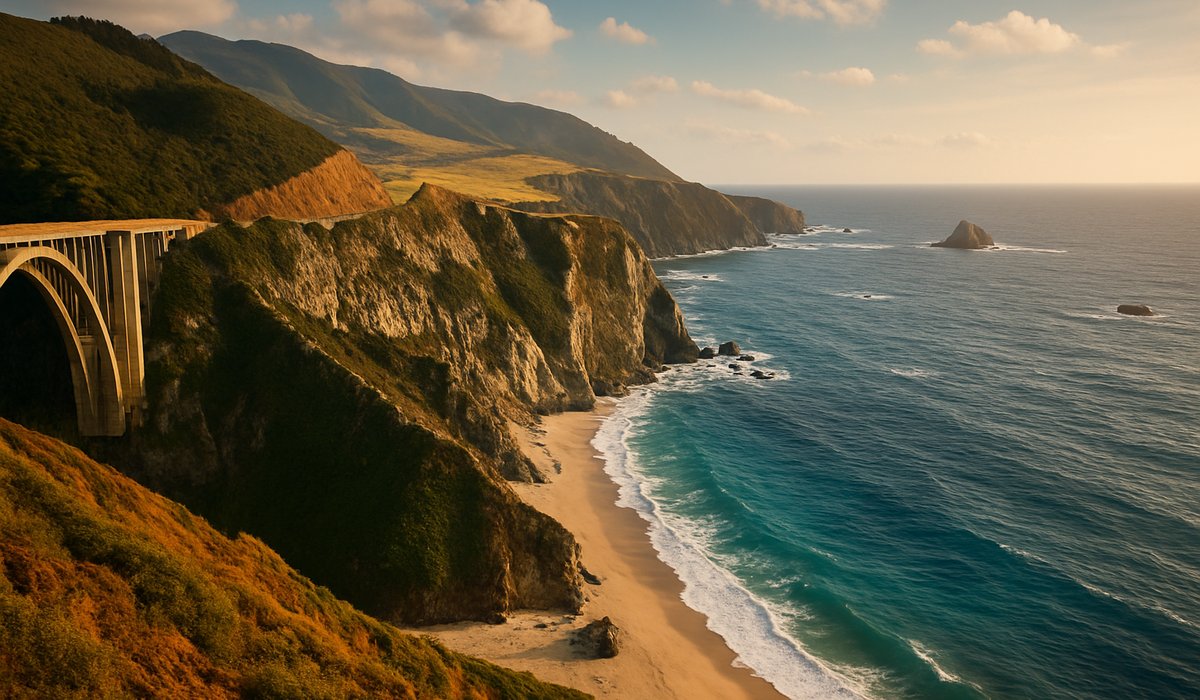
Image generated by AI
Redefining Coastal American Hospitality
Fundamentally rejecting the aggressive, high-speed pace of massive West Coast metropolises, a highly curated string of Pacific Coast towns has emerged as the definitive sanctuaries for luxury travelers seeking extreme hospitality in 2026. Ranging from the foggy, towering cliffs of Oregon to the hyper-manicured, storybook enclaves of Central California, these nine municipalities explicitly utilize hospitality as their primary economic engine. They have successfully weaponized "small-town charm," coupling it with world-class, Michelin-level culinary scenes and ultra-premium boutique lodging, to capture tourists attempting to escape the gridlock of Los Angeles, San Francisco, and Seattle.
The common denominator across these specific Highway 1 and 101 destinations is how heavily they prioritize pedestrian movement and local business integration. You will not find massive, sterile corporate hotel chains dominating the pristine beaches of Cannon Beach or the historic streets of Carmel-by-the-Sea. Instead, the local city councils aggressively protect independent bed-and-breakfasts, local artisan bakeries, and small-batch wineries, ensuring that the traveler's financial interaction remains deeply tied to the community.
Carmel-by-the-Sea: The Absolute Apex of Charm
Positioned gracefully on the Monterey Peninsula in California, Carmel-by-the-Sea is mathematically arguably the most fiercely protective, wildly unique hospitality environment in the United States.
The town famously outlaws chain restaurants, neon signs, and parking meters. By law, the residential houses do not possess physical street addresses; locals must fetch their mail from the central post office, effectively forcing community interaction. For the luxury tourist, this translates to entirely uninterrupted, heavily manicured cobblestone streets lined with dozens of premium wine-tasting rooms and elite art galleries. The town’s legendary "dog-friendly" culture means hyper-luxurious establishments, including specific Michelin restaurants, actively welcome pets on their heated patios, creating a hospitality dynamic completely unseen in heavy urban centers.
The Premier Pacific Welcoming Cohort
| Coastal Sanctuary | State | The Defining Hospitality Feature |
|---|---|---|
| Carmel-by-the-Sea | California | Heavily protected, fairytale architecture lacking corporate chain disruption. |
| Cannon Beach | Oregon | Breathtaking monolithic sea stacks seamlessly integrated with premium beachfront dining. |
| Astoria | Oregon | Deeply rich maritime history blended perfectly with the legendary Pacific Northwest craft beer scene. |
| Friday Harbor | Washington | An extremely peaceful, island-based maritime village accessible strictly by ferry or seaplane. |
What Guests Get
- A return to pedestrian control — realizing that true luxury means parking your vehicle upon arrival and not requiring it for the duration of the trip because the entire town is perfectly walkable.
- Canopy-level boutique lodging — grasping that independent, locally-owned inns in these towns frequently offer vastly superior, highly personalized service compared to massive corporate brands.
- Culinary hyperlocalism — understanding that when you dine in Astoria or Carmel, the crab or wine you consume was physically harvested within a 20-mile radius.
What This Means for Travelers
If you are planning a Pacific Coast Highway (PCH) road trip in 2026: You must heavily recalibrate your driving expectations. The allure of the Pacific Coast resides exclusively in these small, welcoming towns, not in the grueling act of driving the highway itself. Do not attempt to blast from San Francisco to Seattle in three days. You must actively plan to stop and sleep in these specific maritime municipalities; otherwise, you mathematically defeat the entire purpose of selecting the coastal route over the fast-moving Interstate 5.
The Economics of Charm: Be deeply aware that "extreme charm" commands extreme financial premiums. Because towns like Cannon Beach and Carmel heavily restrict new hotel developments to protect their aesthetic, hotel inventory is mathematically minuscule compared to the massive tourist demand. Securing a premium room during the peak summer months (July and August) requires booking six to eight months in advance, and nightly rates frequently exceed those of massive downtown luxury brands in major cities.
FAQ: Navigating Pacific Coast Towns
Is it true you cannot wear high heels in Carmel-by-the-Sea? Technically, yes. Carmel has an ancient, highly quirky municipal law banning the wearing of high heels (over 2 inches) without a permit, originally designed to prevent lawsuits from tourists tripping on the heavily uneven, root-damaged cobblestone sidewalks. You can legally obtain a free permit at City Hall.
When is the best time to visit the Oregon Coast? While summer provides the warmest temperatures, late September (often referred to as the 'Second Summer') is the absolute optimal time. The massive crowds dissipate, and the infamous coastal fog frequently burns off completely.
Are these towns safe for solo travelers? Absolutely. The fundamental defining trait of these specific nine municipalities is their extreme, hospitality-first safety record. They heavily rely on their reputation as peaceful sanctuaries to drive their luxury tourism economy.
Related Travel Guides
The Ultimate Pacific Coast Highway Road Trip Itinerary 2026
Decoding Carmel: The Best Wine Tasting Rooms on the Peninsula
Disclaimer
This article is for informational and educational purposes only. It does not constitute legal, financial, or professional advice. While we strive to provide accurate and up-to-date information, travel policies, regulations, and conditions change rapidly. Always verify information with official sources before making travel decisions. Nomad Lawyer makes no representations about the accuracy, reliability, completeness, or suitability of the information provided. Readers should consult qualified professionals for advice specific to their circumstances. The views expressed in this article are those of the author and do not necessarily reflect the views of Nomad Lawyer.
Raushan Kumar
Founder & Lead Developer
Full-stack developer with 11+ years of experience and a passionate traveller. Raushan built Nomad Lawyer from the ground up with a vision to create the best travel and law experience on the web.
Learn more about our team →