
Orleans Travel Delays: MSY Airport Cancels Flights, Strands Hundreds
Orleans travel delays hit Louis Armstrong New Orleans International Airport on March 22, 2026, as 91 flights faced delays and 5 cancellations disrupted Delta, Southwest, and United passengers heading to Chicago, Atlanta, and Orlando.

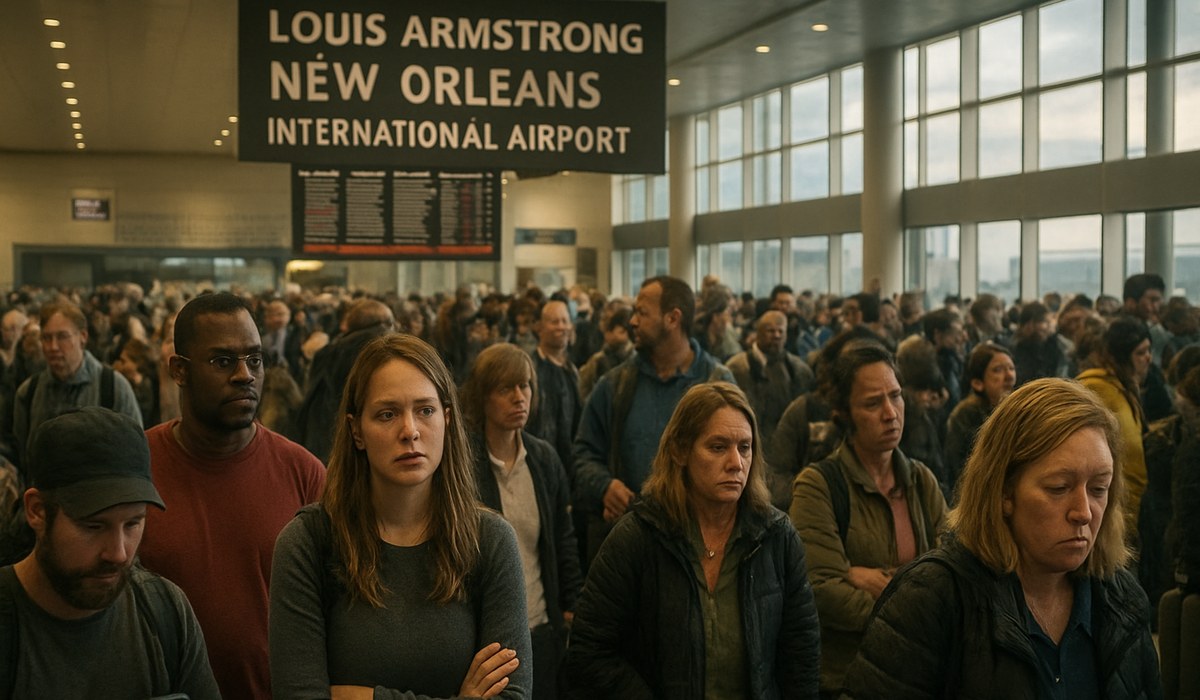
Image generated by AI
Hundreds Stranded as Louis Armstrong Airport Disruptions Mount
Louis Armstrong New Orleans International Airport (MSY) experienced significant operational disruptions on March 22, 2026, leaving hundreds of passengers scrambling to rebook flights. The airport reported 91 flight delays and 5 outright cancellations throughout the day, affecting major carriers including Delta Air Lines, Southwest Airlines, and United Airlines. The cascading disruptions rippled across the airline network, impacting connections to major hub cities like Chicago (ORD), Atlanta (ATL), and Orlando (MCO). Travel advisories issued by airport management urged passengers to contact their carriers immediately.
What Caused the Orleans Travel Delays at MSY?
The specific operational factors behind the orleans travel delays remain under investigation by airport authorities and the Federal Aviation Administration (FAA). Weather conditions, ground handling capacity constraints, and aircraft availability issues typically drive such disruptions at major U.S. airport hubs. The FAA monitors real-time conditions at all commercial airports. MSY, serving the New Orleans metropolitan area, experienced congestion that prevented normal throughput. Airport operations staff worked to clear the backlog, but recovery extended into evening hours.
Which Airlines Faced Cancellations and Delays?
Delta Air Lines, Southwest Airlines, and United Airlines bore the brunt of disruptions at New Orleans International Airport. These carriers operate significant daily service from MSY, making them vulnerable to cascading delays. American Airlines and regional carriers also reported schedule impacts. Southwest, which maintains substantial operations from the airport, issued travel waivers allowing passengers to rebook on later flights without penalty. Delta coordinated with ground crews to minimize further deterioration. United's operations were similarly affected, particularly on routes serving the Southeast and Midwest.
Affected Routes and Passenger Impact
Routes from MSY to Chicago's O'Hare, Atlanta's Hartsfield-Jackson, and Orlando International absorbed the greatest passenger impact during the disruption. The New Orleans to Chicago corridor experienced the highest delay concentration, with some passengers facing 3-4 hour waits. Connecting passengers traveling beyond these major hubs faced compounded delays and missed onward connections. Families with tight layovers endured particular strain. The disruption affected approximately 500+ passengers directly, with secondary effects touching thousands more through downstream connection misses. Ground transportation demand surged as passengers sought alternative travel modes. FlightAware tracked real-time updates throughout the afternoon and evening.
Live Flight Tracking and Real-Time Updates
Travelers monitoring their flights during the orleans travel delays relied on real-time tracking platforms to understand changing conditions. FlightAware provided minute-by-minute updates on individual flight status, gate assignments, and estimated departure times. Airport display boards showed cascading revisions as operations staff worked through the backlog. Airline apps pushed notifications to booked passengers, though information initially lagged actual conditions. By 6 p.m. local time, most delayed flights had departed, though 5 cancellations remained unchanged. Passengers could access live information through airline websites and the New Orleans airport's official portal.
Passenger Rights and Compensation Options
The U.S. Department of Transportation (DOT) establishes clear passenger compensation frameworks for flight disruptions exceeding certain thresholds. When carriers cancel flights or delay them significantly, passengers retain the right to rebooking on alternative flights at no additional cost. Eligible passengers may claim compensation under DOT regulations if disruptions exceed 3 hours for domestic flights. The U.S. DOT consumer protection page outlines specific compensation amounts and claim procedures. Airlines must provide meal vouchers and hotel accommodations for overnight delays. Southwest and Delta both honored these obligations for affected passengers on March 22. Passengers should retain receipts for all expenses incurred during extended delays.
Expected Recovery Timeline for MSY Operations
Airport operations returned to near-normal capacity by late evening on March 22, 2026. Recovery from major disruptions at busy airports like Louis Armstrong International typically spans 6-12 hours as airlines work through accumulated scheduling slack. The airport's operations team coordinated with all carriers to prioritize returning aircraft to service. Crew duty time limitations occasionally extend recovery beyond normal windows. By March 23, morning schedules operated without residual delays from the previous day's disruptions. Airlines preemptively added aircraft to high-demand routes to absorb any lingering passenger backlogs from missed connections.
Traveler Action Checklist
Follow these steps if your flight was affected by orleans travel delays at MSY:
-
Verify your flight status immediately through your airline's app or FlightAware before heading to the airport.
-
Contact your airline directly via phone or app rather than waiting in airport queues—phone representatives have real-time rebooking authority.
-
Document all expenses related to the delay, including meals, ground transportation, and hotel stays for potential compensation claims.
-
Request rebooking on the next available flight to your destination, regardless of airline, as carriers must accommodate passengers on competitors' flights when rebooking becomes necessary.
-
Retain all receipts and boarding passes as required documentation for DOT compensation claims filed within 2 years of the disruption date.
-
Check for automatic compensation eligibility via the U.S. DOT consumer protection resource using your flight details and delay duration.
-
File a complaint with DOT if your airline refuses compensation or rebooking—documentation strengthens your case for escalation.
-
Sign up for airline status notifications on future bookings to receive real-time updates should similar disruptions occur.
Key Disruption Data Summary
| Metric | Value |
|---|---|
| Airport Code | MSY (Louis Armstrong New Orleans International) |
| Flights Delayed | 91 total operations |
| Flights Cancelled | 5 confirmed cancellations |
| Primary Carriers Affected | Delta Air Lines, Southwest Airlines, United Airlines |
| Busiest Impacted Routes | New Orleans to Chicago (ORD), Atlanta (ATL), Orlando (MCO) |
| Estimated Passengers Affected | 500+ direct; thousands via downstream connections |
| Peak Disruption Duration | Approximately 6-8 hours afternoon/evening window |
| Recovery Status | Normal operations by March 23, 2026 |
What This Means for Travelers
The March 22 disruption at Louis Armstrong Airport underscores the importance of travel flexibility and proactive monitoring. Passengers with tight connections through New Orleans should build in longer layover windows to accommodate potential ground delays. Consider purchasing flexible tickets that permit date changes without fees, particularly during peak travel seasons. Monitor the FAA's real-time airport status before departing home on travel days. Arrive at MSY at least 2.5 hours before domestic departures to account for variable processing times. Download airline apps and enable push notifications for real-time updates. Understand your rights under DOT regulations—airlines cannot unilaterally deny compensation for qualifying disruptions. Travel insurance that covers airline disruptions provides additional peace of mind for frequent travelers. Keep airline customer service contact information accessible during your journey.
Frequently Asked Questions
What caused the orleans travel delays at New Orleans airport on March 22? Operational constraints at Louis Armstrong International (MSY) triggered 91 flight delays and 5 cancellations. Specific root causes involved ground handling capacity, aircraft positioning, and weather-related factors requiring FAA investigation. Airport staff worked throughout the day to resolve the cascading disruptions.
Will I receive compensation for my delayed flight? U.S. DOT regulations provide compensation for domestic flight delays exceeding 3 hours when the airline controlled the delay cause. Document your flight details, actual arrival time, and expenses incurred. File claims through your airline's customer service portal or escalate to DOT if the airline denies your request.
How can I track real-time flight status during travel disruptions? FlightAware provides minute-by-minute updates on flight status, gate changes, and estimated departures. Airline apps push direct notifications to booked passengers. The Louis Armstrong Airport website displays real-time board information accessible to all travelers.
Which airlines offered rebooking options for cancelled flights? Delta Air Lines, Southwest Airlines, and United Airlines all honored standard rebooking provisions for passengers affected by the March 22 disruptions. Contact your carrier's customer service immediately for available alternatives to your original flight.
Related Travel Guides
Louis Armstrong New Orleans International Airport Complete Traveler Guide
Navigating Flight Delays: Your Complete Rights and Compensation Guide
Domestic Air Travel in Louisiana: Routes, Airports, and Best Practices
Disclaimer
Disclaimer
This article is for informational and educational purposes only. It does not constitute legal, financial, or professional advice. While we strive to provide accurate and up-to-date information, travel policies, regulations, and conditions change rapidly. Always verify information with official sources before making travel decisions. Nomad Lawyer makes no representations about the accuracy, reliability, completeness, or suitability of the information provided. Readers should consult qualified professionals for advice specific to their circumstances. The views expressed in this article are those of the author and do not necessarily reflect the views of Nomad Lawyer.
Raushan Kumar
Founder & Lead Developer
Full-stack developer with 11+ years of experience and a passionate traveller. Raushan built Nomad Lawyer from the ground up with a vision to create the best travel and law experience on the web.
Learn more about our team →