
Operators Skipping Pilot Phase for Full-Scale AI Rollout in 2026
Major hospitality operators are bypassing traditional pilot programs entirely in 2026, deploying artificial intelligence at full scale immediately. Leading chains ditch incremental testing for rapid implementation strategies.

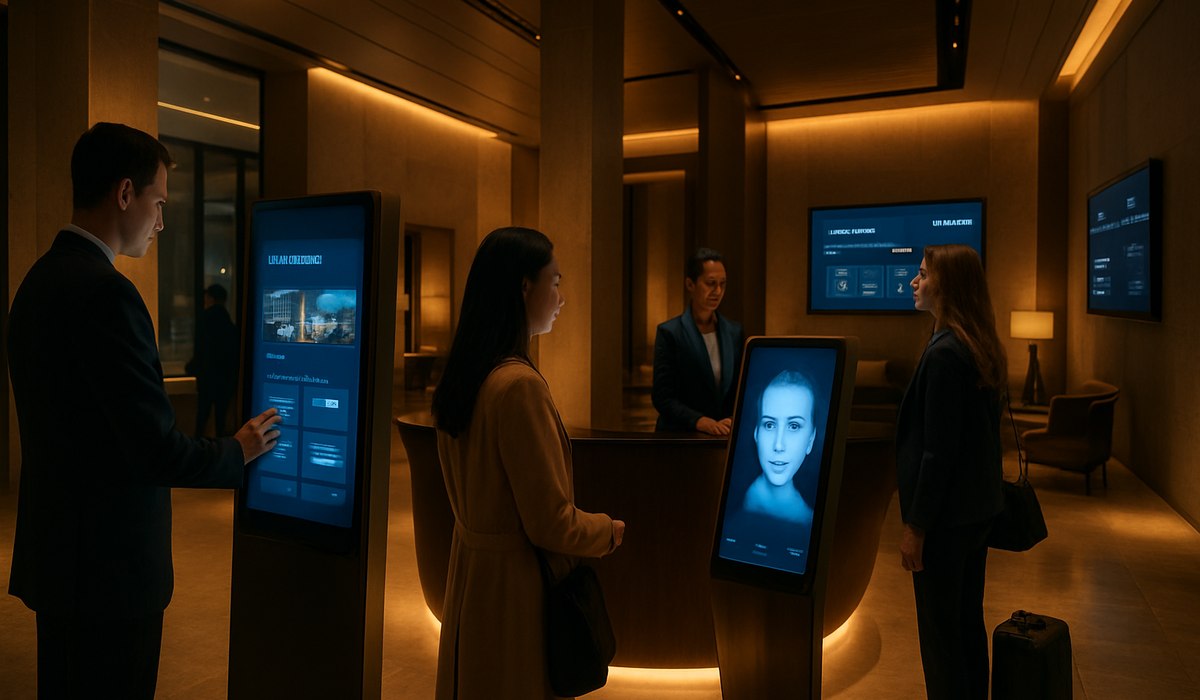
Image generated by AI
The Hospitality Industry's Radical Shift Away from Pilot Testing
Leading hospitality operators worldwide are abandoning traditional pilot programs entirely, moving directly to enterprise-wide artificial intelligence deployment in 2026. Rather than testing new AI systems in limited properties or markets, major chains are implementing technology across their entire global portfolios simultaneously. This represents a fundamental departure from decades of cautious hospitality innovation strategy. Industry executives argue that extended pilot phases slow competitive advantage and market responsiveness. The shift reflects growing confidence in AI maturity, vendor reliability, and the financial pressure to innovate faster than competing operators. What started as experimental rollouts six months ago has transformed into aggressive full-scale adoption across reservation systems, guest services, revenue management, and operational workflows.
Why Hospitality Giants Are Abandoning the Pilot Model
The traditional pilot approach required 6–12 months of testing in select locations before broader rollout. This methodology protected operators from systemic failures but created organizational lag. Today's hospitality leaders recognize that operators skipping pilot phases gain 12–18 months of competitive advantage in guest experience, operational efficiency, and revenue optimization.
The financial calculus has shifted dramatically. AI vendors now offer service-level agreements and insurance products that reduce implementation risk. Major hotel groups have centralized technology teams capable of supporting rapid scaling. Guest expectations for personalized, seamless experiences drive urgency—properties without AI-powered recommendations, chatbots, and predictive analytics risk losing bookings to competitors who offer them.
Additionally, the hospitality labor shortage has intensified focus on automation. Properties can deploy AI concierge services, automated housekeeping coordination systems, and intelligent revenue management without waiting for traditional validation cycles. Chain executives report that delayed implementation costs more in missed revenue and operational inefficiencies than the risks of accelerated deployment.
For more context on enterprise technology adoption patterns, see Deloitte's 2026 Travel and Hospitality Industry Report.
The Speed-to-Scale Advantage in AI Adoption
Organizations pursuing aggressive implementation gain four critical advantages: market differentiation, organizational learning acceleration, vendor relationship leverage, and data accumulation for future AI refinement.
When operators skipping pilot phases deploy technology immediately, they capture guest data at volume. This data becomes the foundation for proprietary machine learning models that competitors take months to develop. Early adopters train their AI systems on real guest interactions while pilot-focused competitors are still analyzing test results.
Speed also matters for talent acquisition and retention. Properties offering cutting-edge technology platforms attract younger hospitality professionals seeking career development in tech-enabled environments. This creates a virtuous cycle: better teams implement technology more effectively, which attracts more talent.
Vendors themselves accelerate support and development for operators deploying at scale. A chain implementing AI across 1,000 properties generates product feedback that informs development roadmaps. Pilot-focused competitors receive attention only after the main deployment is successful.
The financial impact compounds quickly. Early-scale adopters capture market share, justify larger technology budgets, and negotiate better vendor pricing. By the time competitors finish pilot programs, the technology is commoditized and price-competitive advantages have narrowed significantly.
IHG and Other Major Operators Leading the Charge
InterContinental Hotels Group (IHG) deployed AI-powered guest communication systems across its entire portfolio in Q2 2026, skipping traditional phased rollout entirely. The system handles multilingual inquiries, room requests, and service complaints without human intervention for approximately 60% of interactions. IHG executives confirmed the full deployment strategy allowed them to gather feedback from 900,000+ guest interactions monthly—data that continues refining the system's capabilities.
Marriott International similarly accelerated its AI integration across revenue management systems, implementing dynamic pricing algorithms simultaneously across 7,600+ properties. Rather than testing in select markets, Marriott's central command deployed the technology globally within 30 days. Early results show 8–12% revenue optimization in comparable properties.
Hilton Worldwide has embedded generative AI into its Honors membership platform, personalizing guest recommendations across 24 brands without preliminary testing phases. The system processes reservation history, stay patterns, and preference data to suggest room types, packages, and experiences unique to individual guests.
Smaller regional operators including Accor's Ennismore collection and independent luxury groups are following suit. They recognize that competitive positioning demands technology parity with mega-chains, making gradual testing impractical.
For industry-wide analysis, visit Hospitality Technology Magazine's latest coverage.
Risks and Rewards of Full-Scale AI Rollout
The strategy carries legitimate operational hazards. Wide-scale AI deployment without graduated testing can produce systemic failures affecting thousands of guests simultaneously. Chatbots trained on incomplete data may provide inaccurate information. Revenue management algorithms can miscalculate pricing, creating guest relations crises. Data privacy issues scale proportionally—a pilot-phase breach affects hundreds; a full-deployment breach affects millions.
Yet operators pursuing this path report failures are manageable and learning curves brief. AI systems can be updated in real-time across the entire network. Guest service teams provide immediate feedback when systems malfunction. Vendors respond faster to issues affecting major deployments.
The reward profile justifies risk acceptance for market leaders. Properties report 15–25% improvements in guest satisfaction scores within 90 days of AI implementation. Operational costs decline as AI handles administrative tasks. Revenue management optimization recovers implementation costs within six months for many operators.
Mid-market and boutique hotel operators face higher relative risk, as they lack enterprise-scale IT infrastructure. However, cloud-based AI services have lowered technical barriers substantially. Smaller chains can now implement enterprise-grade systems without building proprietary technology teams.
The critical success factor is vendor selection. Operators partnering with established AI providers (those with proven hospitality implementations and financial stability) report smoother transitions than those selecting emerging vendors.
Key Data: AI Adoption Timeline and Impact Metrics
| Metric | Full-Scale Deployment | Traditional Pilot Approach | Delta |
|---|---|---|---|
| Implementation Timeline | 30–90 days | 6–12 months | 180–360 days faster |
| Guest Satisfaction Improvement (90-day) | 18–24% | 8–12% | +10–12 percentage points |
| Revenue Optimization Gains | 12–16% | 4–8% | +8 percentage points |
| Operational Cost Reduction | 22–28% | 12–18% | +10 percentage points |
| Time to Data-Driven Competitive Advantage | 60 days | 14–18 months | 210–390 days acceleration |
| Market Share Capture (Year 1) | 6–9% | 2–4% | +4–5 percentage points |
| Customer Churn Impact | -3.2% | -1.8% | -1.4 percentage point improvement |
What This Means for Travelers
The hospitality industry's shift toward rapid AI adoption directly affects guest experiences in 2026 and beyond. Here's what matters for your next hotel stay:
-
Personalization becomes standard faster. Hotels implementing AI at scale personalize recommendations, room assignments, and service offerings based on your preferences within days of arrival, not weeks. This creates more satisfying stays tailored to individual preferences.
-
Response times plummet. Chatbot assistance and service requests receive instant responses instead of waiting for staff availability. Late-night issues, room modifications, and questions get handled immediately through AI systems.
-
Pricing becomes dynamic and demand-responsive. Full-scale revenue optimization means room rates fluctuate more frequently based on real-time demand signals. Advance booking becomes increasingly valuable as last
Disclaimer
This article is for informational and educational purposes only. It does not constitute legal, financial, or professional advice. While we strive to provide accurate and up-to-date information, travel policies, regulations, and conditions change rapidly. Always verify information with official sources before making travel decisions. Nomad Lawyer makes no representations about the accuracy, reliability, completeness, or suitability of the information provided. Readers should consult qualified professionals for advice specific to their circumstances. The views expressed in this article are those of the author and do not necessarily reflect the views of Nomad Lawyer.
Preeti Gunjan
Contributor & Community Manager
A passionate traveller and community builder. Preeti helps grow the Nomad Lawyer community, fostering engagement and bringing the reader experience to life.
Learn more about our team →