
Oman's Jabal Akhdar Named GCC Tourism Capital 2027 to Catalyze Mountain Heritage Travel

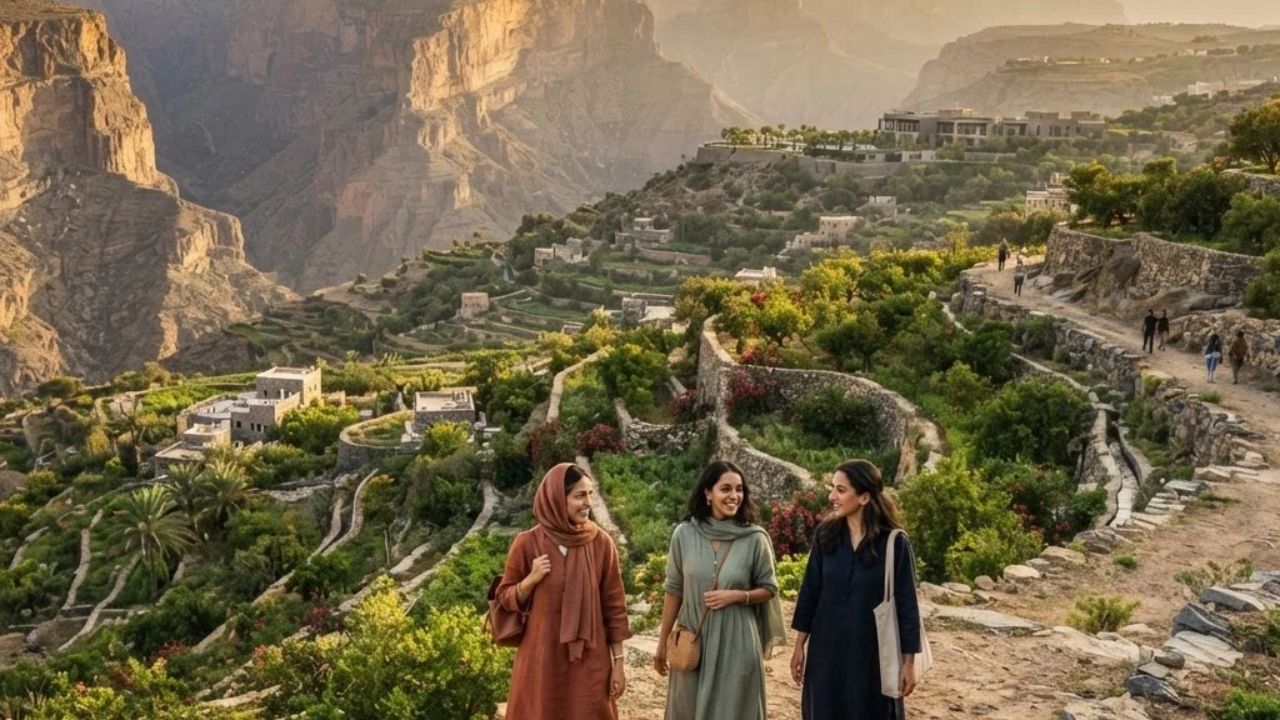
Jabal Akhdar has been officially designated the GCC Tourism Capital 2027 during the 10th Meeting of Ministers Responsible for Tourism in Bahrain, positioning Oman's iconic Green Mountain for historic regional travel growth. The landmark selection drives an ambitious development strategy uniting centuries-old cliffside terraced agriculture, equestrian festivals, and sustainable mountain hospitality.
The designation marks a defining milestone in the Sultanate's broader economic diversification agenda under Oman Vision 2040. By placing the Green Mountain at the forefront of regional tourism, Oman’s Ministry of Heritage and Tourism is preparing a comprehensive portfolio of events, infrastructure enhancements, and community-led initiatives designed to drive longer visitor stays and higher tourism yields across the Al Hajar mountain range.
The Local Trend Revealed: Green Mountain Elevation Above Gulf Travel
Oman secured the title after submitting a detailed nomination dossier evaluating Jabal Akhdar’s environmental distinctiveness, deep-rooted cultural heritage, and potential for sustainable commercial investment. The formal selection was ratified during the 10th Meeting of Ministers Responsible for Tourism in the Gulf Cooperation Council, hosted in the Kingdom of Bahrain.
Unlike the predominantly low-altitude, hyper-urban developments typical of regional travel hubs, Jabal Akhdar sits over 2,000 metres above sea level. This high elevation fosters a temperate microclimate with summer temperatures averaging 15°C cooler than the coastal plains of Muscat.
The Ministry of Heritage and Tourism is leveraging this natural advantage to cultivate a year-round destination portfolio:
- Expanding Adventure & Sports Tourism: Building on the momentum of a successful Gulf horse-riding gathering hosted in Jabal Akhdar in August 2026, authorities are evaluating an extended equestrian festival and dedicated trail competitions for 2027.
- Agritourism Development: Creating formal experiential trails through ancient terraced farms, connecting visitors with regional harvesting cycles and traditional artisan production.
- High-Altitude Outdoor Recreation: Expanding waymarked hiking routes, mountain climbing routes, and stargazing platforms along the Saiq Plateau and surrounding canyon rims.
- Extended Multi-Day Itineraries: Establishing integrated travel corridors that link Jabal Akhdar with the historic oasis city of Nizwa, Jabreen Castle, and the coastal capital of Muscat.
Cultural & Environmental Value: Sustaining Terraced Heritage and Village Economies
For travelers traversing the Saiq Plateau, the defining character of Jabal Akhdar lies in its ancient relationship between stone, water, and soil. The mountain's name translates to "Green Mountain," referring not to dense alpine forests, but to centuries-old agricultural steps cut into near-vertical canyon walls and fed by historic aflaj gravity-fed irrigation channels.
The 2027 development roadmap concentrates on channeling economic benefits directly to local farmers, artisans, and family-run micro-enterprises. Mountain communities depend on seasonal agricultural production that yields rare, high-value regional goods:
- Damascus Roses: Distilled in traditional mud-brick kilns during spring to create authentic Omani rosewater (attar).
- Highland Pomegranates: Widely considered among the highest quality in the Arabian Peninsula, harvested in late summer.
- Mountain Walnuts, Apricots & Peaches: Grown on shaded stone terraces preserved through generations.
- Wild Mountain Honey: Harvested by local beekeepers who follow seasonal high-altitude blooms.
Strategic Framework for GCC Tourism Capital 2027
| Initiative Pillar | Strategic Focus | Expected Community & Visitor Outcome |
|---|---|---|
| Agritourism Integration | Direct farm tours and harvest participation | Direct revenue to local agrarian families and terrace preservation |
| Adventure Programming | Trail expansion and equestrian gatherings | Year-round athletic tourism following the August 2026 horse gathering |
| SME Business Support | Micro-grants and hospitality training | Growth of locally owned guesthouses, guide outfits, and craft stalls |
| Heritage Conservation | Restoration of historic mud-brick settlements | Preservation of abandoned stone quarters such as Wadi Bani Habib |
| Inter-Regional Corridors | Joint packaging with Nizwa and Muscat | Extended stays averaging 3 to 5 nights across interior Oman |
A key priority for heritage authorities is preventing overtourism from eroding fragile mountain environments. Upgraded visitor centers and managed access corridors will ensure foot traffic along traditional falaj pathways remains low-impact, safeguarding the cultural integrity of historic villages like Al Ayn, Ash Shiraijah, and Al Aqor.
Visitor Insider Tips: Navigating Jabal Akhdar Like an Expert
Planning a journey to Oman's high-altitude Green Mountain requires awareness of regional terrain and local customs:
- Mandatory 4WD Requirement: The Royal Oman Police enforce a strict safety checkpoint at the base of the mountain road in Birkat Al Mouz. Only four-wheel-drive (4WD) vehicles with low-range capability are permitted to ascend the steep switchbacks. Travelers arriving in sedans must hire a local 4WD taxi or book licensed transport at the base station.
- Seasonal Visit Windows:
- Spring (Late March to May): Peak season to witness the cliffside rose harvests and watch traditional rosewater distillation in village stills.
- Late Summer (August to October): Pomegranate harvest season, accompanied by pleasantly cool daytime temperatures while coastal Oman experiences intense heat.
- Winter (December to February): Crisp alpine air with night temperatures frequently dipping below 5°C; pack warm fleece jackets and insulated windbreakers.
- The Cliff Village Trek: Walk the paved falaj trail connecting Al Aqor, Al Ayn, and Ash Shiraijah. The route offers unobstructed canyon panoramas and passes directly through working pomegranate terraces. Stay on marked stone paths and refrain from plucking fruit or walking across cultivated flower beds without farmer permission.
- Cultural Etiquette in Mountain Hamlets: Jabal Akhdar's settlements remain conservative and family-oriented. Dress modestly with shoulders and knees covered when exploring village paths. Always request permission before photographing local residents or working farmers.
- Local Culinary Indulgences: Request genuine mountain cuisine at local eateries along the Saiq central road. Sample slow-cooked Omani shuwa, fresh pomegranate seeds sprinkled with rosewater, and traditional qahwa (cardamom-infused coffee served with highland dates). Purchase small glass bottles of authentic mountain-distilled rosewater directly from cooperative shops in Saiq.
Tourism Outlook: Long-Term Horizon for the Sultanate
The GCC Tourism Capital 2027 designation provides Jabal Akhdar with a prominent diplomatic and promotional stage across the wider Middle East. By shifting the international travel narrative from standard city-break stopovers toward regenerative, high-altitude cultural journeys, Oman strengthens its status as an authentic travel sanctuary in the Gulf.
As the Ministry of Heritage and Tourism prepares dedicated infrastructure investments leading up to 2027, the mountain wilayat is poised to demonstrate how environmental conservation, agricultural traditions, and luxury mountain hospitality can thrive in balance.
Related Travel Guides
Disclaimer
This article is for informational and educational purposes only. It does not constitute legal, financial, or professional advice. While we strive to provide accurate and up-to-date information, travel policies, regulations, and conditions change rapidly. Always verify information with official sources before making travel decisions. Nomad Lawyer makes no representations about the accuracy, reliability, completeness, or suitability of the information provided. Readers should consult qualified professionals for advice specific to their circumstances. The views expressed in this article are those of the author and do not necessarily reflect the views of Nomad Lawyer.
Kunal K Choudhary
Co-Founder & Contributor
A passionate traveller and tech enthusiast. Kunal contributes to the vision and growth of Nomad Lawyer, bringing fresh perspectives and driving the community forward.
Learn more about our team →