
Oldest Museums America: 9 Must-Visit Cultural Institutions
America's oldest museums are reopening with enhanced exhibits in 2026. Discover nine historic institutions preserving centuries of art and heritage across the United States.

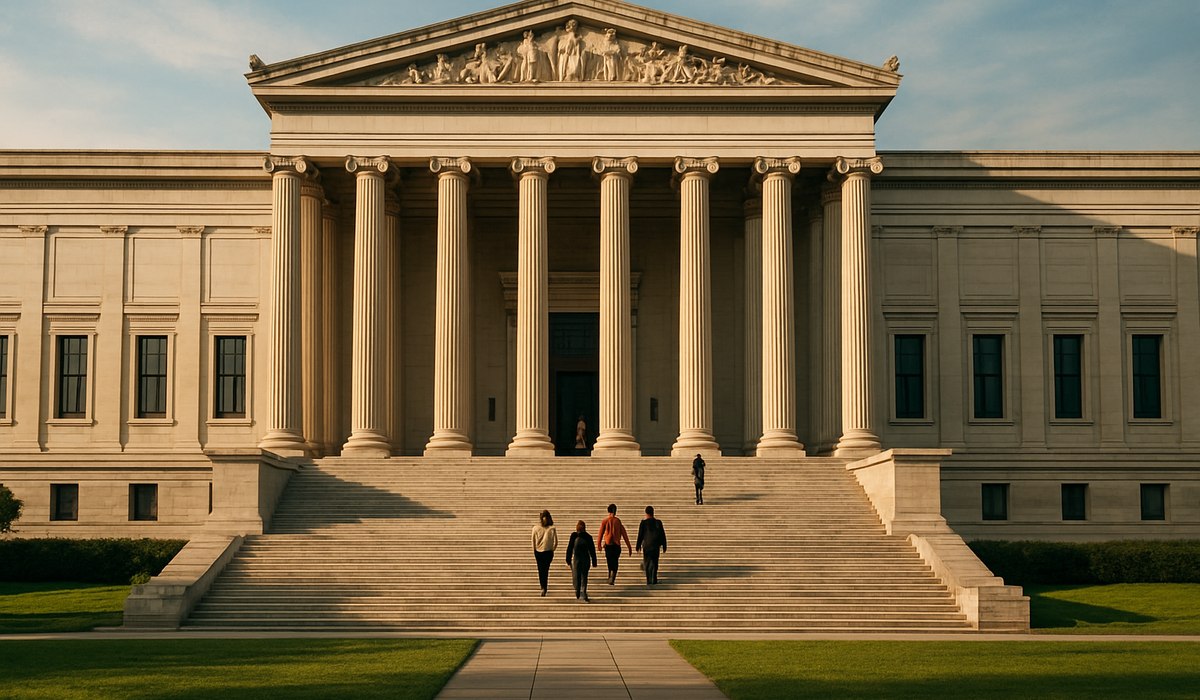
Image generated by AI
America's Heritage Collections Open with Major Renovations in 2026
The oldest museums in America are welcoming record-breaking visitor numbers this year, as nine legendary institutions unveil newly restored galleries and expanded programming. Dating back to the pre-independence era, these cultural treasures have been preserving American artistic and historical legacies for over two centuries. From colonial-era art collections to revolutionary war artifacts, these institutions represent irreplaceable chapters of the nation's identity and continue attracting history enthusiasts, art lovers, and educational groups from around the world.
America's Oldest Museums: A Historical Overview
The establishment of oldest museums America predates the nation itself. Many were founded during the 18th century when collecting and displaying objects of cultural significance became a priority for early American intellectuals and philanthropists. These institutions survived wars, economic recessions, and technological disruption to become cornerstones of American cultural life.
The oldest museums in America include institutions like those established in major East Coast cities, where merchant wealth and educational ambitions converged. Colonial collectors understood that preserving objects—whether natural specimens, paintings, or historical documents—connected their communities to broader intellectual movements sweeping Europe. Today, these same institutions balance scholarly research with public accessibility, making them worth visiting for both casual tourists and serious historians.
Each museum tells its own story through architectural design and collection development. Some occupy original colonial buildings. Others occupy neoclassical structures built in the 19th century. All represent significant investments in cultural infrastructure that successive generations have maintained and expanded.
Museum Highlights by Region
Northeastern Treasures
The Northeast dominates when discussing oldest museums America. Philadelphia and Boston claim several institutions established before 1800. These cities' prominence in early American commerce and governance made them natural centers for cultural collection and exhibition. The region's museums showcase everything from revolutionary artifacts to contemporary installations, creating layered narratives of American development.
Northeastern museums benefit from proximity to major universities and research institutions. This academic environment has fostered scholarly exhibitions and conservation programs that maintain collections to modern standards. Visiting these institutions worth considering includes exploring how each interpreted its historical role and evolved its mission over generations.
Mid-Atlantic Collections
The Mid-Atlantic region houses several significant historic museums that demonstrate how institutional collecting reflected regional economic and social priorities. These museums emphasize decorative arts, portraiture, and natural history—reflecting 18th and 19th-century interests. Their collections illuminate the lives of merchants, landowners, and early American elites who shaped national policy.
Museums in this region increasingly offer digital archives and online collections, making them accessible beyond geographic boundaries. Planning a visit to multiple institutions in this region allows travelers to understand how American cultural values shifted across decades.
Southern and Western Perspectives
While the oldest museums America concentrates in the Northeast, significant institutions developed in other regions during the 19th century. These museums often reflect regional historical experiences—from indigenous cultures to frontier expansion—providing perspectives often underrepresented in older Eastern collections.
Visiting these institutions worth noting for understanding American diversity and regional identity. They demonstrate how museum culture became democratized beyond wealthy coastal cities.
Planning Your Museum-Hopping Itinerary
Creating an effective itinerary requires considering several factors. Distance between institutions, operating hours, special exhibitions, and admission policies should all factor into planning. Most oldest museums America offer combination tickets or memberships for frequent visitors.
Dedicate at least one full day to larger institutions. Smaller specialized museums might require two to three hours. Many offer guided tours, educational programming, or audio guides that enhance understanding of collections. Checking official websites before visiting ensures you capture special exhibitions or temporary installations that may align with your interests.
Consider traveling during less crowded seasons if you prefer intimate viewing experiences. However, many museums schedule major reinstallations and special programming during peak summer months, which may enhance your visit despite larger crowds.
Best Time to Visit
May through September represents peak visiting season for most American museums, with extended hours and special programming. Spring weather throughout the country facilitates easy travel between multiple institutions. Summer vacation schedules bring families and educational groups, creating vibrant community engagement but potentially crowded galleries.
Fall offers pleasant weather and diminishing crowds after Labor Day. Winter months provide quieter viewing experiences, though some facilities may have reduced hours. Consider your tolerance for crowds and preference for special programming when selecting travel dates.
Check individual museum websites for exhibition schedules. Many coordinate major installations for specific seasons, so timing your visit around featured collections enhances the experience significantly.
How to Get There
Most oldest museums America locate in major metropolitan areas with excellent transportation infrastructure. Northeast institutions cluster in Boston, Philadelphia, and New York, served by major airports and Amtrak rail service. Regional airports serve other significant museums.
Rental cars facilitate visiting multiple institutions in extended regions. Public transportation within cities provides efficient museum access. Many institutions offer visitor parking or partner with nearby parking facilities. Researching transportation logistics before booking travel ensures smooth itinerary execution.
International visitors should verify passport validity and visa requirements through official United States State Department channels. Domestic travelers should check TSA requirements for airport security screening.
Practical Visitor Information
| Institution Type | Founded Era | Average Visit Duration | Typical Admission Range | Notable Collections |
|---|---|---|---|---|
| Art-focused museums | 1700s | 2-4 hours | $15-25 | Paintings, sculpture, decorative arts |
| Natural history institutions | 1800s | 3-5 hours | $18-28 | Specimens, fossils, anthropological items |
| Specialized collections | Mid-1800s | 1-2 hours | $10-20 | Historical documents, textiles, furniture |
| Multi-disciplinary museums | 1800s | Full day | $20-35 | Comprehensive collections across disciplines |
| House museums | 1700s-1800s | 1-1.5 hours | $8-15 | Period furnishings, domestic artifacts |
| History-focused institutions | Early 1800s | 2-3 hours | $12-22 | Regional history, photographs, manuscripts |
What This Means for Travelers
Visiting oldest museums America offers profound cultural enrichment and historical understanding. Here are actionable strategies for maximizing your museum experiences:
-
Pre-visit research: Explore museum websites to understand collections and exhibitions before arriving. Most institutions provide virtual tours, collection databases, and exhibition information that inform your visit strategy.
-
Membership consideration: If visiting multiple institutions in one region, purchasing memberships or combination tickets provides significant savings and exclusive access to special programming and advanced exhibitions.
-
Guided tour participation: Many museums worth visiting offer specialized tours led by curators or historians. These programs provide context and interpretation that self-guided visits cannot replicate.
-
Photography policies: Verify photography restrictions before visiting. Many institutions restrict flash photography or prohibit photography entirely in certain galleries to protect collections.
-
Accessibility planning: Contact institutions regarding accessibility accommodations, including wheelchair access, elevators, accessible restrooms, and hearing loop systems. Most historic buildings have made significant accessibility improvements.
-
Extended itineraries: Rather than rushing through multiple museums daily, dedicate full days to major institutions and partial days to smaller specialized collections. This approach reduces fatigue and enhances retention.
FAQ
What are the oldest museums in America and where are they located?
America's oldest museums concentrate in Northeast cities like Boston, Philadelphia, and New York, with significant institutions also established in other major metropolitan areas. These institutions date from the 1700s and early 1800s, preserving collections developed during the nation's founding era through contemporary acquisition practices.
Are the oldest museums America worth visiting for casual travelers?
Absolutely. These institutions offer world-class collections accessible to all education and interest levels. Well-designed galleries, extensive labeling, and educational programming accommodate everything from quick visits to deeply scholarly engagement. Family programming and contemporary installations appeal to diverse audiences.
What is the best time to visit the oldest museums America?
Spring (May-June) and fall (September-October) offer ideal visiting conditions with pleasant weather and moderate crowds. These periods also feature special exhibitions and educational programming. Summer
Disclaimer
This article is for informational and educational purposes only. It does not constitute legal, financial, or professional advice. While we strive to provide accurate and up-to-date information, travel policies, regulations, and conditions change rapidly. Always verify information with official sources before making travel decisions. Nomad Lawyer makes no representations about the accuracy, reliability, completeness, or suitability of the information provided. Readers should consult qualified professionals for advice specific to their circumstances. The views expressed in this article are those of the author and do not necessarily reflect the views of Nomad Lawyer.
Preeti Gunjan
Contributor & Community Manager
A passionate traveller and community builder. Preeti helps grow the Nomad Lawyer community, fostering engagement and bringing the reader experience to life.
Learn more about our team →