
Odisha OSDMA Flood Preparedness Plan Secures Monsoon Tourism
Odisha State Disaster Management Authority (OSDMA) deploys the One Stop Risk Management System to protect travelers along its 482-km coastline.

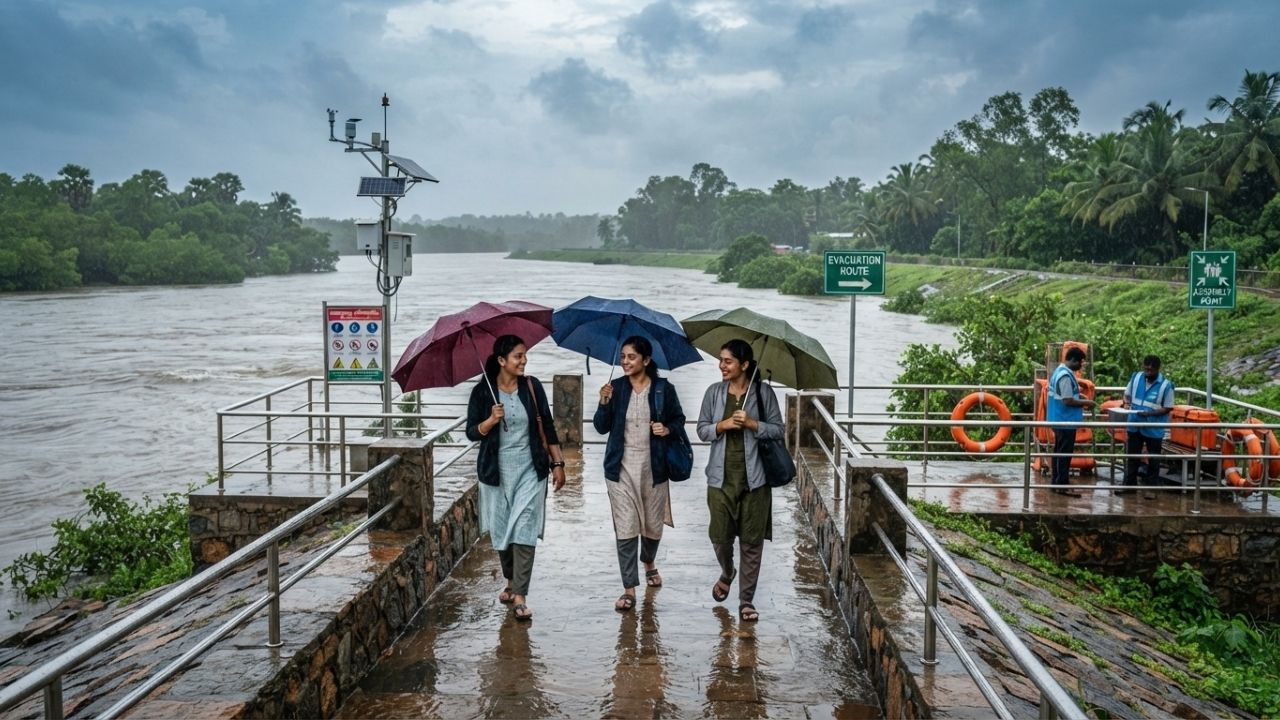
Image generated by AI
Odisha is deploying the One Stop Risk Management System to protect monsoon tourism along its vulnerable 482-km coastline. Managed by the Odisha State Disaster Management Authority (OSDMA), this framework uses real-time metrics and the Early Warning Dissemination System (EWDS) to coordinate safe travel flows during heavy monsoonal storms.
Coastline Vulnerabilities: River Basins and Coastal Flooding
The travel sector in Odisha is experiencing a transition as planners build regional destinations to diversify visitor experiences. In August 2026, the implementation of proactive disaster management is offering travelers a sustainable option that protects sensitive coastal zones.
By establishing these seasonal travel corridors, the airline's management aims to support both business and leisure travel flows. Corporate travelers and travel agencies, which maintain strong relationships with global destination management organizations, benefit from direct seat capacity. This economic integration supports the travel sector, providing service providers with a reliable channel for high-value bookings.
By establishing these seasonal travel corridors, the airline's management aims to support both business and leisure travel flows. Canadian corporate travelers and travel agencies, which maintain strong relationships with European and Asian destination management organizations, would benefit from direct seat capacity. This economic integration supports the travel sector, providing service providers with a reliable channel for high-value bookings.
By establishing these seasonal travel corridors, the airline's management aims to support both business and leisure travel flows. Canadian corporate travelers and travel agencies, which maintain strong relationships with European and Asian destination management organizations, would benefit from direct seat capacity. This economic integration supports the travel sector, providing service providers with a reliable channel for high-value bookings.
By establishing these seasonal travel corridors, the airline's management aims to support both business and leisure travel flows. Canadian corporate travelers and travel agencies, which maintain strong relationships with European and Asian destination management organizations, would benefit from direct seat capacity. This economic integration supports the travel sector, providing service providers with a reliable channel for high-value bookings.
By establishing these seasonal travel corridors, the airline's management aims to support both business and leisure travel flows. Canadian corporate travelers and travel agencies, which maintain strong relationships with European and Asian destination management organizations, would benefit from direct seat capacity. This economic integration supports the travel sector, providing service providers with a reliable channel for high-value bookings.
By establishing these seasonal travel corridors, the airline's management aims to support both business and leisure travel flows. Canadian corporate travelers and travel agencies, which maintain strong relationships with European and Asian destination management organizations, would benefit from direct seat capacity. This economic integration supports the travel sector, providing service providers with a reliable channel for high-value bookings.
The geographical layout of Odisha features an extensive 482-km coastline subject to natural challenges.
Heavy monsoon rainfall drives river flooding, aggravated by water inflows from Jharkhand and Chhattisgarh. Poor drainage and river siltation along delta areas can cause embankment breaches. Major rivers like the Mahanadi, Subarnarekha, Brahmani, Baitarani, Rushikulya, and Vansadhara drive these events. Historic floods in 1980, 1982, 2001, and 2003 caused significant property damage, demonstrating the need for regional infrastructure.
The Transition to Proactive Safety: OSDMA's Modern Protocols
Disaster management teams use centralized communication tools to transition from reactive relief to proactive safety.
This localized disruption also offers a unique opportunity for duty-free retailers and terminal operators to design services suited for stranded passengers. By monitoring passenger comfort levels during long delays, airport customer teams can provide complimentary amenities to ensure guest satisfaction. This proactive approach helps build traveler confidence, ensuring that regional transit routes remain competitive with global hub standards.
This localized disruption also offers a unique opportunity for duty-free retailers and terminal operators to design services suited for stranded passengers. By monitoring passenger comfort levels during long delays, airport customer teams can provide complimentary amenities to ensure guest satisfaction. This proactive approach helps build traveler confidence, ensuring that regional transit routes remain competitive with global hub standards.
The Odisha State Disaster Management Authority (OSDMA) manages regional safety protocols.
At the core of this strategy is the One Stop Risk Management System. By combining telemetry databases with the Early Warning Dissemination System (EWDS), authorities provide real-time updates to travel agencies and hotels, allowing operators to establish evacuation plans and maintain emergency contacts.
By diversifying tourism segments, destinations can mitigate the economic strains of summer seasonality. Integrating cultural routes and coastal safety networks helps spread the environmental footprint, preserving fragile ecosystems while ensuring stable, year-round municipal employment for local operators.
Community Support and Sustainable Monsoon Tourism
Encouraging travel spending to remain within local communities supports regional economic recovery.
This environmental focus is supported by regional climatologists and conservationists who monitor ecosystem health. By tracking tourist footprint signals, managers can ensure that natural areas remain protected. The integration of carrying-capacity policies with wilderness trails demonstrates how tourism planning can protect biodiversity while offering high-quality educational hikes.
This localized culinary focus also offers a unique opportunity for restaurant associations and culinary schools to design programs suited for premium travelers. By monitoring traveler culinary preferences during long stays, local chefs can provide customized dishes to ensure guest satisfaction. This proactive approach helps build traveler confidence, ensuring that Goan coastal dining remains competitive with global culinary standards.
This localized culinary focus also offers a unique opportunity for restaurant associations and culinary schools to design programs suited for premium travelers. By monitoring traveler culinary preferences during long stays, local chefs can provide customized dishes to ensure guest satisfaction. This proactive approach helps build traveler confidence, ensuring that Goan coastal dining remains competitive with global culinary standards.
Travelers are encouraged to book accommodations that possess certified disaster-resilient facilities.
For the visitor, the real impact is supporting local homestays, municipal guides, and regional emergency volunteers who maintain safety lines.
Sustainable initiatives include reducing waste along coastal belts, avoiding plastic litter that blocks drainage, and utilizing low-emission transport links.
Visitor Guide: Local Specialties, Transit Safety, and Weather Registration
Navigating coastal districts and coordinating transit routes involves checking road statuses, using official weather databases, and trying regional foods.
Sample traditional culinary specialties during your stay. Savor Chhena Poda, a caramelized cottage cheese dessert baked with cardamom. Try warm Dalma, a lentil and vegetable stew, and regional vegetable curries.
Coordinate your local transport. Fly to Biju Patnaik International Airport (BBI) in Bhubaneswar. Verify road, bridge, and weather conditions via district control offices before traveling along National Highway 16.
Observe safety guidelines and regional monsoon regulations. Register travel plans with local district authorities or hotel desks. Keep a waterproof emergency kit containing essential identification, medications, and contact numbers. Passports must have at least 6 months of validity.
Future Outlook: Rebuilding a Resilient Climate-Adaptive Tourism Corridor
The long-term development of Odisha tourism depends on integrating transport corridors with regional planning. Tourism departments and coastal councils are collaborating to support regional travel pipelines.
Sustainable initiatives include building low-emission shuttle links, promoting eco-friendly guesthouses, and introducing cultural heritage guides. By combining smart visitor management with traditional agricultural preservation, the region aims to support travel innovation, securing a resilient and connected future for Central Europe's mountain communities.
Related Travel Guides
Disclaimer
This article is for informational and educational purposes only. It does not constitute legal, financial, or professional advice. While we strive to provide accurate and up-to-date information, travel policies, regulations, and conditions change rapidly. Always verify information with official sources before making travel decisions. Nomad Lawyer makes no representations about the accuracy, reliability, completeness, or suitability of the information provided. Readers should consult qualified professionals for advice specific to their circumstances. The views expressed in this article are those of the author and do not necessarily reflect the views of Nomad Lawyer.
Raushan Kumar
Founder & Lead Developer
Full-stack developer with 11+ years of experience and a passionate traveller. Raushan built Nomad Lawyer from the ground up with a vision to create the best travel and law experience on the web.
Learn more about our team →