
Fleet Strategy: Norse Atlantic Reassesses Boeing 787 Jet Capacity
Norse Atlantic Airways is restructuring its wide-body fleet after reporting a $70.6 million net loss, redeploying Boeing 787-9 jets from IndiGo.

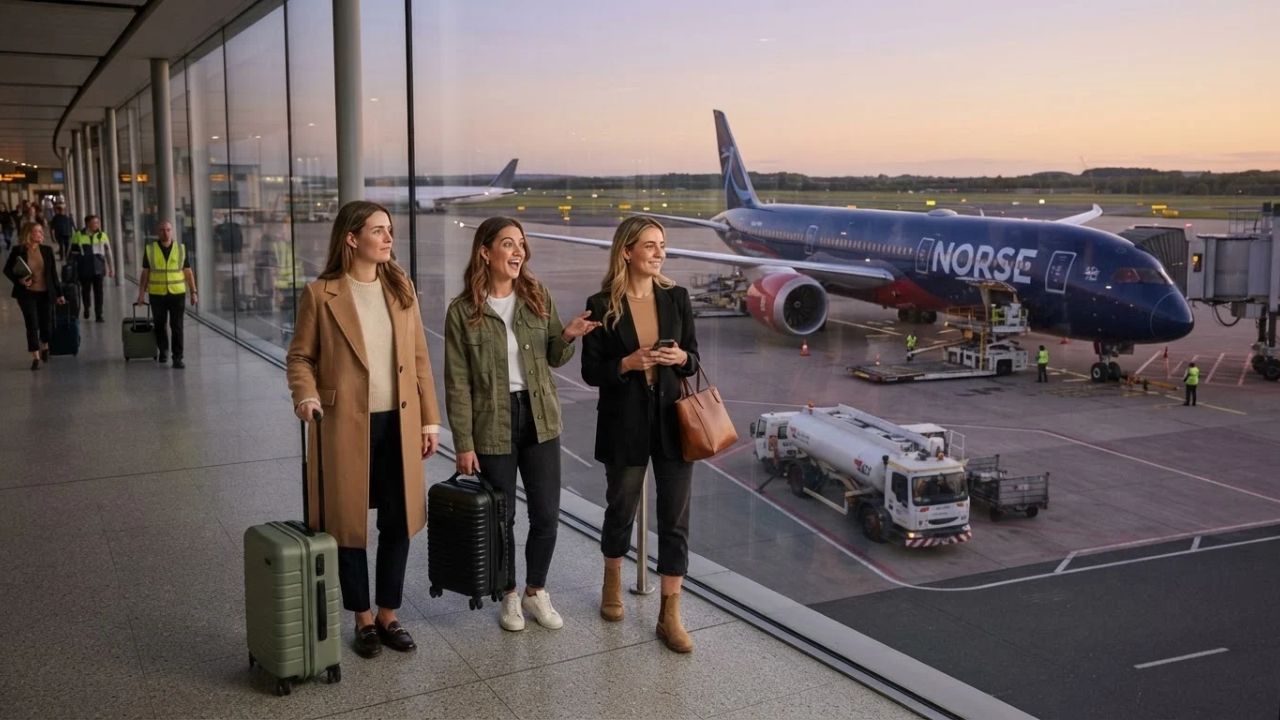
Image generated by AI
Norse Atlantic Airways is restructuring its network and wide-body fleet after reporting a net loss of $70.6 million for the quarter ending June 30, 2026. The airline is preparing to redeploy five to seven returning Boeing 787-9 aircraft following the expiration of its IndiGo lease on November 1, 2026.
Wet-Leasing Trends in Long-Haul Aviation
A prominent trend in international aviation is the growth of ACMI (Aircraft, Crew, Maintenance, and Insurance) wet-lease placements. Operating wide-body jets on transatlantic routes is highly volatile, especially when facing seasonal demand changes and rising fuel costs. Instead of maintaining large scheduled networks at all costs, airlines are shifting toward flexible leasing strategies.
This ACMI model allows carriers to generate steady revenue by leasing wide-body aircraft to other airlines during weak seasons, limiting exposure to scheduled routes where passenger yields are soft.
Norse Atlantic's Financial Performance
The airline's quarterly financial results highlight the operational pressures facing the carrier:
- Quarterly Net Loss: Recorded a net loss of $70.6 million for the three months ending June 30, 2026, compared with a $5.9 million loss during the same period in 2025.
- Declining Revenue: Revenue fell 34.8 percent to $132 million, down from $202.6 million in the previous year.
- Operating Loss: Recorded an operating loss of $27.3 million compared with a $4.4 million operating profit a year earlier.
- EBITDAR Decline: Moved from a positive $23.1 million to a negative $8.4 million.
- Specific Cost Pressures: High fuel prices increased costs by an estimated $21 million due to a lack of hedges, while a non-cash finance charge of $32.9 million was recorded for convertible bond conversions.
Despite these losses, the airline maintained a 94 percent load factor, though this was two percentage points below the previous year's 96 percent.
Returning Boeing 787-9 Fleet and ACMI Opportunities
The return of aircraft from IndiGo provides Norse with fleet options:
- Lease Expiration: The six-aircraft wet-lease contract with IndiGo ends on November 1, 2026.
- Returning Fleet: Between five to seven Boeing 787-9s are expected to return to Norse.
- Strategic Placements: CEO Eivind Roald confirmed that Norse is evaluating interest from other airlines for new ACMI and charter contracts, with decisions expected in three to four weeks.
- Scheduled Services: Norse plans to integrate some returning Boeing 787-9s back into its own scheduled network, targeting Europe-Thailand routes and additional winter services to New York and Orlando.
This selective capacity deployment is designed to focus wide-body aircraft on demand-rich markets.
Network Consolidation and Yield Management
Norse has streamlined its scheduled operations to improve passenger yields:
- Flight Volume: Operated 580 own-network flights during the quarter, compared with 1,542 in the same period a year earlier.
- Passenger Traffic: Fell from 502,737 to 184,365 passengers.
- Yield Improvements: Average airfare rose 27 percent to $380, and total revenue per passenger increased 20 percent to $447. Revenue per available seat kilometer (RASK) rose 23 percent to a record 6.15 US cents.
- Summer Capacity: Offering 503,000 two-way scheduled seats across 12 airport pairs, representing a 58 percent reduction in routes compared to the previous year.
- Concentrated Routes: Almost 88 percent of summer capacity is focused on four major city pairs: London Gatwick-Orlando, London Gatwick-New York JFK, Rome Fiumicino-New York JFK, and Athens-New York JFK.
- Suspended Markets: Services to Los Angeles, London Gatwick-Miami, Paris Charles de Gaulle-New York JFK, and Berlin-New York JFK are absent from the summer schedule.
By concentrating wide-body capacity on key routes, the airline aims to maximize revenues per seat.
Norse Atlantic Airways Financial and Operations
The table below breaks down the quarterly revenues, fleet structures, seat capacities, and cost-reduction targets for the carrier:
| Financial Metric | Latest Quarter | Previous Year | Operating Indicator | Summer 2026 capacity | Cost Reduction Target |
|---|---|---|---|---|---|
| Net Loss | $70.6 million | $5.9 million loss | Own-Network Flights | 580 flights (vs 1,542) | Project Falcon: $50 million |
| Revenue | $132 million | $202.6 million | Passenger Volume | 184,365 passengers | HQ relocation to Oslo |
| EBITDAR | -$8.4 million | $23.1 million | Average Airfare | $380 (up 27%) | 75 admin positions removed |
| Operating Result | -$27.3 million | $4.4 million profit | Load Factor | 94% (vs 96%) | $52 million senior financing |
| RASK Yield | 6.15 US cents | Record 23% rise | Summer Seats | 503,000 two-way seats | 58% route reduction |
These metrics show the financial losses, operating yields, and cost-saving targets established for the carrier.
Resource Stewardship and Environmental Efficiency
For the traveler, the real impact of flying on the Boeing 787-9 is the improved fuel efficiency per seat compared to older wide-body models. Consolidating flight volumes to select city pairs—like London Gatwick to New York JFK—minimizes the environmental footprint by cutting down on redundant routes.
Additionally, restructuring administrative costs under Project Falcon—which relocates headquarters from Arendal to Oslo and removes 75 positions—helps stabilize operating expenses. Supporting airlines that focus capacity on high-load routes helps ensure that aviation resources are utilized efficiently.
For example, you can explore the dynamics of Airasia X Suspends Sydney Kuala Lumpur Flights to see how other low-cost carriers manage capacity. For budget-conscious travelers, checking regional flight guides mirrors similar capacity shifts, such as the Vietjet Colombo Ho Chi Minh City Direct Flights updates. This trend is similar to the tourism growth seen in other destinations, as detailed in our guide on how Utica, New York Emerges as an Affordable Northeast Tourism Hub.
Visitor Insider Tips: Flying Norse Atlantic
If you are planning to book a long-haul flight during the upcoming winter season, keep these practical tips in mind:
- Monitor Winter Flight Shifts: Check the Norse website for updated frequencies to New York, Orlando, and Thailand as returning aircraft enter service.
- Review Baggage Allowances: Low-cost wide-body carriers often charge separate fees for carry-on and checked bags. Confirm baggage rules before booking.
- Compare Alternative Hubs: If your preferred route (such as Berlin-New York) is suspended, check connecting flights through London Gatwick or Rome.
- Book Thailand Routes Early: Capacity on the Europe-Thailand winter routes is expected to see high demand as Norse focuses on profitable sectors.
- Verify ACMI Operators: Be aware that some Norse-owned Boeing 787-9s may be operated by partner airlines under wet-lease agreements, which can alter the onboard service.
Long-Term Outlook for Transatlantic Competition
The long-term outlook for Norse Atlantic Airways is focused on completing its strategic review, securing partnerships, and implementing Project Falcon to achieve $50 million in annual savings from 2027. As the transatlantic market remains competitive, the airline will rely on ACMI placements and selective route planning to manage liquidity.
By matching fleet capacity with passenger yields and adjusting its corporate footprint, the airline aims to build a sustainable business model.
FAQ
What was Norse Atlantic's financial result for the latest quarter?
Norse reported a net loss of $70.6 million for the quarter ending June 30, 2026, compared with a $5.9 million loss a year earlier.
How many Boeing 787-9 aircraft are returning to Norse from IndiGo?
Between five to seven Boeing 787-9 aircraft are returning following the end of the wet-lease contract on November 1, 2026.
Which winter routes is Norse targeting for expansion?
Norse plans to expand Europe-Thailand services and add winter flights to New York and Orlando.
What is Project Falcon?
Project Falcon is Norse's cost-saving initiative targeting $50 million in annual savings from 2027, including relocating headquarters to Oslo.
Stay updated on the route schedules and fleet changes shaping transatlantic aviation.
Related Travel Guides
Disclaimer
This article is for informational and educational purposes only. It does not constitute legal, financial, or professional advice. While we strive to provide accurate and up-to-date information, travel policies, regulations, and conditions change rapidly. Always verify information with official sources before making travel decisions. Nomad Lawyer makes no representations about the accuracy, reliability, completeness, or suitability of the information provided. Readers should consult qualified professionals for advice specific to their circumstances. The views expressed in this article are those of the author and do not necessarily reflect the views of Nomad Lawyer.
Raushan Kumar
Founder & Lead Developer
Full-stack developer with 11+ years of experience and a passionate traveller. Raushan built Nomad Lawyer from the ground up with a vision to create the best travel and law experience on the web.
Learn more about our team →