
ANA Pivots Dreamliner Strategy: 787-9s Expand Routes to South Korea & Taiwan
All Nippon Airways shifts its widebody fleet strategy in March 2026, deploying additional Boeing 787-9 Dreamliners on high-demand Asia-Pacific routes. New services from South Korea and Taiwan to Japan airports boost regional connectivity and Japan's tourism sector.

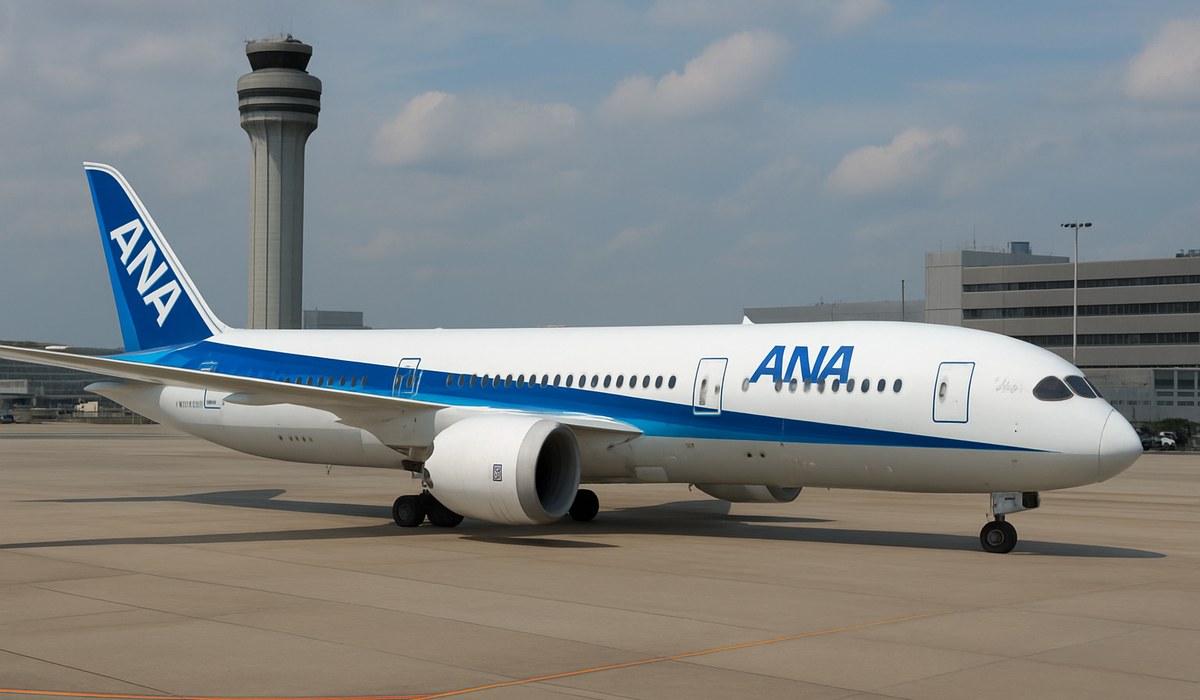
Image generated by AI
ANA Restructures Widebody Fleet With Boeing 787-9 Deployment Across Asia-Pacific
All Nippon Airways (ANA), Japan's largest international carrier, announced a strategic reallocation of its Boeing 787-9 Dreamliner fleet on March 27, 2026. The Tokyo-based airline will deploy additional aircraft on transpacific and intra-Asian routes, significantly expanding connectivity from Incheon International Airport (ICN) in Seoul, Taoyuan International Airport (TPE) in Taipei, and major U.S. west coast hubs.
This operational pivot represents a fundamental shift in how ANA utilizes its modern widebody capacity, moving away from traditional hub-and-spoke patterns toward direct point-to-point connectivity that better captures demand from South Korean and Taiwanese travelers accessing Japan's tourism and business sectors.
What's Driving ANA's Dreamliner Strategy Shift?
The redeployment responds to measurable market conditions in the post-2025 travel environment. ANA executives identified three primary catalysts:
Regional Demand Surge: Leisure and business travelers from South Korea and Taiwan show accelerating growth toward Japanese destinations. Incheon-Tokyo, Incheon-Osaka, Taipei-Tokyo, and Taipei-Nagoya routes demonstrated load factors exceeding 87% throughout 2025, signaling capacity constraints on existing narrow-body services.
Widebody Economics Optimization: The 787-9's fuel efficiency and 290-seat two-class configuration (versus regional jets) dramatically improves per-seat economics on routes with consistent premium cabin demand. ANA's data shows Northeast Asian business class penetration at 22%, compared to 14% on similar-distance routes from other regions.
Hospitality Sector Momentum: Japan's tourism authority reported 18.2 million international arrivals in 2025, with South Korea and Taiwan representing 38% of year-on-year growth. Hotels, ryokans, and tourism operators are actively requesting higher-capacity inbound flights to meet demand.
New Routes and Service Expansion
ANA's March 2026 announcement includes:
| Route | Aircraft | Frequency | Start Date | Key Service Features |
|---|---|---|---|---|
| Incheon (ICN) – Haneda (HND) | 787-9 | Daily | April 2026 | Premium Economy, Direct |
| Incheon (ICN) – Kansai (KIX) | 787-9 | 5x weekly | May 2026 | Business Class exclusive |
| Taoyuan (TPE) – Haneda (HND) | 787-9 | Daily | April 2026 | Premium Economy, Direct |
| Taoyuan (TPE) – Narita (NRT) | 787-9 | 4x weekly | June 2026 | Standard 2-class config |
| San Francisco (SFO) – Osaka (KIX) | 787-9 | 4x weekly | July 2026 | Extended range deployment |
| Los Angeles (LAX) – Nagoya (NGO) | 787-9 | 3x weekly | August 2026 | New city pair |
Impact on Japan's Hospitality and Tourism Ecosystem
The expanded Dreamliner network directly accelerates Japan's tourism recovery trajectory. Industry analysts project:
- Hotel Occupancy: Tokyo and Osaka premium hotels expect 8–12% capacity increases from Korean and Taiwanese visitors, with average daily rates rising 4–6%.
- Regional Distribution: Direct flights from Incheon and Taoyuan to Kansai and Nagoya redistribute traveler flows away from saturated Tokyo routes, supporting mid-tier cities' economic development goals.
- Business Meetings: Corporate travelers gain frequency advantages; Incheon-Haneda daily service reduces journey complexity for Samsung, LG, and TSMC executives accessing Japan's technology ecosystem.
ANA Fleet Context and Competitive Positioning
ANA operates 96 total Boeing 787 Dreamliners (including 787-8, 787-9, and 787-10 variants) as of March 2026. This redeployment reallocates approximately 8–12 aircraft from underutilized long-haul routes to high-demand Asia-Pacific services. The move responds to competitive pressure from carriers including Asiana Airlines, China Airlines, and EVA Air, which have aggressively expanded premium regional services.
The Dreamliner's 11–13 hour operational range allows ANA to optimize turnarounds on routes competitors traditionally served with narrow-body aircraft, creating operational advantages on hub connectivity.
Traveler Action Checklist
If you're planning travel between South Korea, Taiwan, and Japan, follow these steps to leverage ANA's expanded 2026 schedule:
-
Monitor Booking Windows: ANA typically releases premium cabin inventory 90 days in advance. Set calendar alerts for new route launch dates to capture opening availability.
-
Compare Premium Economy Value: The new Incheon-Haneda and Taoyuan-Haneda 787-9 services offer dedicated Premium Economy cabins. Compare pricing against business class upgrades—often 40–60% cheaper with equivalent comfort for 3–4 hour flights.
-
Check Mileage Program Availability: ANA Star Alliance members should verify award redemption rates on new routes; March 2026 typically shows higher availability during launch phases.
-
Verify Baggage Allowances: New routes may offer enhanced baggage policies. Confirm your specific routing (e.g., Incheon-Haneda vs. Incheon-Osaka) for maximum allowances.
-
Book Round-Trip Itineraries Early: Blended Asia-Pacific itineraries combining the new routes offer better pricing than sequential one-ways; secure round-trips within 60 days of launch.
-
Confirm Seat Selection: 787-9 cabin configurations differ from ANA's 787-8 aircraft. Verify direct aisle access for Economy Plus seats before purchase.
-
Track Frequent Flyer Promotions: ANA typically offers double-mile bonuses on new route launches. Register new bookings in the ANA Frequent Flyer program before departure.
Industry Implications and Competitive Landscape
ANA's strategic pivot signals a broader industry trend: premium regional connectivity generates higher margins than traditional hub-and-spoke configurations. Competitors, including Japan Airlines (JAL), are expected to announce their own Dreamliner redeployments within Q2 2026.
The move also reflects Japan's post-2025 tourism positioning strategy, which emphasizes quality-over-volume arrivals and regional distribution. By facilitating direct access from South Korea and Taiwan, ANA aligns capacity with government tourism goals while capturing incremental revenue from underserved premium segments.
When to Expect Service Launches
- April 2026: Incheon-Haneda and Taoyuan-Haneda daily services launch, representing the core of the expansion.
- May–June 2026: Secondary routes to Osaka and Narita commence, distributing passenger loads.
- July–August 2026: Transpacific redeployments to San Francisco, Los Angeles, and Nagoya establish full network.
Passenger Rights and Route Continuity
ANA guarantees continuous service on existing routes through the transition period. Passengers booked on legacy narrow-body services between these city pairs are entitled to automatic rebooking on new 787-9 flights at no additional charge, per IATA standard practices and U.S. Department of Transportation consumer protection guidelines.
For real-time flight information on the new services, monitor FlightAware and ANA's official booking system. International aviation regulatory compliance is overseen by IATA and regional authorities including Japan's Civil Aviation Bureau.
FAQ: ANA Dreamliner Expansion
Q: Will existing flights on these routes continue? A: Yes. ANA will maintain parallel narrow-body service while Dreamliner deployment ramps through August 2026. After September, capacity will consolidate on 787-9 flights exclusively.
Q: Are seat prices increasing due to Dreamliner deployment? A: Pricing reflects demand elasticity, not aircraft type. Early March bookings typically offer best-available fares; expect dynamic pricing as launch dates approach.
Q: Can I earn elite status faster on new routes? A: ANA offers bonus mile accrual (typically 150% multiplier) on new route inaugural flights. Check your frequent flyer account for promotion details.
Q: What if my original booking gets rebooked to a different aircraft? A: Rebooking to newer, more comfortable aircraft (787-9 vs. older narrow-body) is a consumer benefit. If schedule changes exceed 3 hours, you retain compensation rights under Japan and IATA regulations.
Q: When should I book to secure the best fares? A: Historical data suggests 40–50 days advance purchase captures optimal Economy pricing; 30–40 days for Premium Economy; 60–90 days for Business Class on regional routes.
Bottom Line
All Nippon Airways' March 2026 Dreamliner pivot represents a data-driven response to measurable demand and regional tourism growth. The deployment of 787-9 aircraft on routes from South Korea and Taiwan directly strengthens Japan's hospitality sector while improving traveler experiences through modern cabin products, direct connectivity, and operational reliability.
For nomads, business travelers, and leisure visitors, the expansion creates new routing flexibility, shorter journey times, and enhanced cabin comfort on increasingly important Asia-Pacific mobility corridors. Monitor ANA's March–August 2026 launch calendar for optimal booking windows and regional routing combinations.
Disclaimer
This article is for informational and educational purposes only. It does not constitute legal, financial, or professional advice. While we strive to provide accurate and up-to-date information, travel policies, regulations, and conditions change rapidly. Always verify information with official sources before making travel decisions. Nomad Lawyer makes no representations about the accuracy, reliability, completeness, or suitability of the information provided. Readers should consult qualified professionals for advice specific to their circumstances. The views expressed in this article are those of the author and do not necessarily reflect the views of Nomad Lawyer.
Kunal K Choudhary
Co-Founder & Contributor
A passionate traveller and tech enthusiast. Kunal contributes to the vision and growth of Nomad Lawyer, bringing fresh perspectives and driving the community forward.
Learn more about our team →