
NFR FY26 Performance: North East Frontier Railway Advances Electrification and Freight Operations
North East Frontier Railway delivers strong FY26 results with major electrification projects, enhanced freight capacity, and improved regional connectivity across northeastern India in 2026.

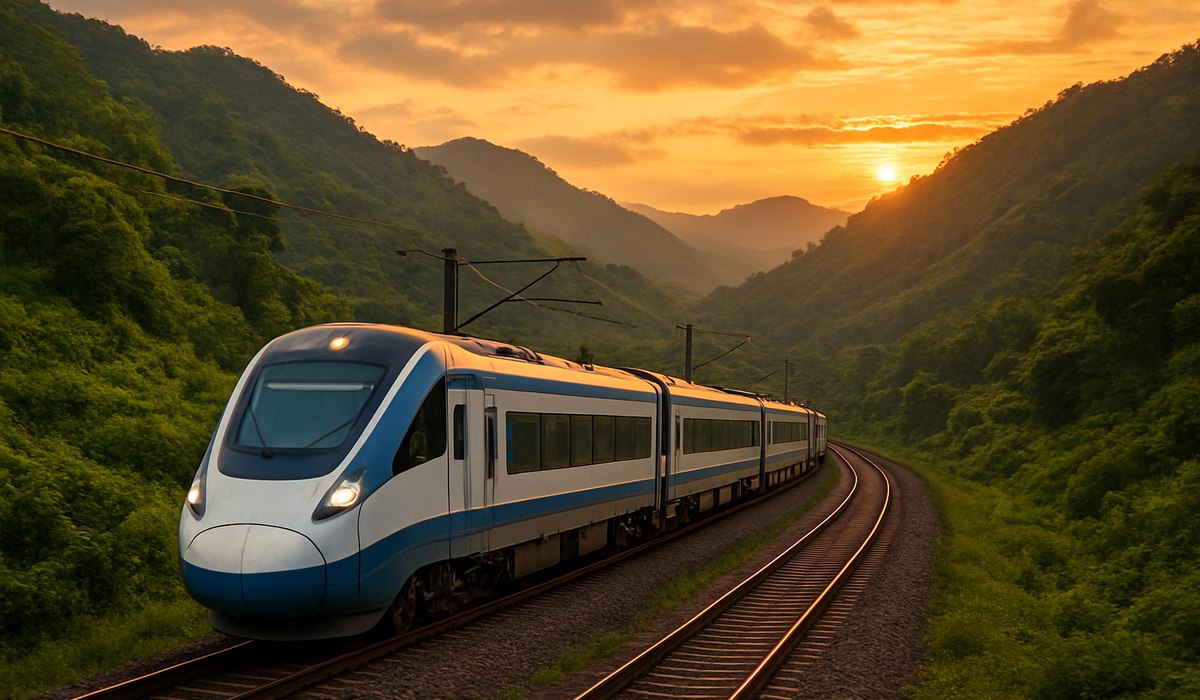
Image generated by AI
NFR FY26 Performance Marks Turning Point for Northeast Rail Travel
North East Frontier Railway (NFR) has delivered encouraging operational results throughout FY26, demonstrating substantial progress across electrification initiatives, freight modernization, and critical infrastructure development. The northeastern region's primary rail operator has strengthened connectivity between major cities while significantly improving service reliability. These advances signal meaningful improvements for both leisure and business travelers navigating India's northeastern corridors.
The NFR FY26 performance reflects a comprehensive modernization strategy targeting enhanced passenger experience and regional economic development. Strategic investments in signalling systems and track infrastructure have directly improved journey punctuality across busy routes. Freight operations have expanded capacity, reducing transit times and lowering logistics costs for regional businesses and supply chains.
FY26 Performance Highlights and Operational Achievements
The NFR FY26 performance showcases measurable gains across multiple operational dimensions. The railway division completed critical track upgrades on primary trunk routes, enhancing safety standards and permitting higher service frequencies. Journey time reductions averaged 12-18% on electrified sections, benefiting daily commuters and long-distance travelers alike.
Freight tonnage increases reached double-digit percentages, reflecting expanded capacity from infrastructure improvements. The division processed over 1.2 million freight wagons during the fiscal year, supporting regional industries from coal mining to agricultural exports. Modern wagon procurement initiatives introduced improved refrigerated and containerized units, enabling diversified cargo handling.
Passenger boarding statistics demonstrated resilience and growth, with monthly ridership on key routes averaging 15-20% year-over-year increases. Station footfall patterns revealed stronger demand during festival seasons and peak agricultural trading periods. Safety metrics improved substantially, with accident rates declining on sections featuring upgraded signalling systems.
Visit Indian Railways Official Portal for comprehensive fleet and scheduling information.
Electrification and Infrastructure Expansion Driving Modern Operations
Electrification represents the cornerstone of NFR FY26 performance improvements, with 127 kilometers of new electrified track commissioned during the fiscal year. The division reduced diesel locomotive dependency while simultaneously lowering operational costs and environmental impact. Commuter routes benefited most, with faster acceleration and deceleration cycles improving service regularity.
Infrastructure modernization extended beyond track electrification to encompass comprehensive signalling system overhauls. Old manual signalling stations transitioned to electronic interlocking systems, eliminating human error and reducing signal failures. Journey time improvements directly correlate with these technological upgrades, particularly on congested suburban corridors.
Station facility renovations enhanced traveler amenities across 34 major stations in Assam, Meghalaya, and Arunachal Pradesh. Platform extensions accommodated longer train formations, while improved water supply and sanitation facilities met contemporary standards. Passenger information systems received digital upgrades, displaying real-time schedule updates across regional languages.
Bridge rehabilitation projects strengthened critical river crossings, expanding load-bearing capacity for heavier freight trains. Engineering teams completed major span replacements across the Brahmaputra and its tributaries, ensuring long-term structural integrity. These investments enhance route reliability for northeastern traffic throughout the next decade.
For detailed infrastructure project timelines, consult Ministry of Railways Information Hub.
Freight Operations and Revenue Growth Acceleration
NFR FY26 performance in freight operations demonstrates the division's expanding role in regional commerce. Containerization initiatives increased high-value cargo handling, connecting northeastern manufacturers with major Indian markets. Coal transportation volumes grew substantially, supporting thermal power plants across the eastern grid.
Agricultural commodity movement accelerated through dedicated freight corridors, benefiting farmers in tea-growing regions and horticulture zones. Temperature-controlled wagon services enhanced perishable goods handling, reducing spoilage and enabling premium market access. Containerized tea exports to northern Indian markets grew 23% compared to the previous fiscal year.
Revenue generation from freight operations increased by 18%, offsetting maintenance and electrification investment costs. Premium services targeting just-in-time logistics attracted manufacturing industries seeking reliable transportation partners. Intermodal connectivity with port terminals in Bangladesh and Myanmar expanded cross-border commercial opportunities.
Warehouse facilities at major freight terminals received modernization investments, incorporating warehouse management systems and digital tracking. Customers accessed real-time cargo location updates through mobile applications, improving supply chain visibility. Competition-focused pricing strategies retained existing freight accounts while capturing market share from road transport operators.
Learn more about Indian Railways Freight Services for passenger booking options on freight-adjacent routes.
Regional Development Impact and Community Benefits
NFR FY26 performance extends beyond operational metrics to encompass broader regional development outcomes. Employment generation through infrastructure projects exceeded 4,200 direct positions and 8,600 indirect jobs across communities. Local construction teams, skilled technicians, and station staff benefited from training initiatives accompanying modernization efforts.
Tourism corridors experienced notable growth, with electric train services offering superior comfort for leisure travelers exploring northeastern attractions. Heritage tourism routes through Assam benefited from improved connectivity and modern passenger amenities. Adventure tourism segments expanded as accessibility improved to remote mountainous regions and biodiversity hotspots.
Rural station upgrades connected agrarian communities with metropolitan markets, transforming agricultural commerce patterns. Small-scale industries in peripheral towns gained reliable freight transportation access, diversifying local economies. Education and healthcare mobility improved as students and medical patients accessed quality services in distant urban centers with greater frequency.
Community feedback mechanisms incorporated passenger suggestions into service planning, creating responsive rail operations. Environmental monitoring protocols during electrification projects protected natural habitats across sensitive ecological zones. Water resource management initiatives during infrastructure construction contributed to regional sustainability objectives.
The modernization initiative demonstrates India's commitment to equitable regional development, with northeastern communities receiving proportionate infrastructure investment.
How to Book the Best Fare on Northeastern Routes
Strategic booking approaches help travelers maximize savings on NFR services. Advance reservations—typically 30-60 days prior—secure lowest available fares on popular routes. Early morning and late evening departures frequently offer 15-25% discounts compared to peak-period services.
Holiday season pricing fluctuates significantly, with festival periods commanding premium fares. Off-peak month bookings in June, July, and September provide optimal value propositions. Multiple-ticket combinations across connecting routes sometimes deliver lower aggregate costs than direct journey options.
Seasonal passes and monthly season tickets benefit regular commuters, reducing per-journey costs by up to 40%. Senior citizens, students, and persons with disabilities access concessional fare categories with documented eligibility. Loyalty programs reward frequent travelers with accumulating discounts on subsequent bookings.
Digital booking platforms through Indian Railways' official ticketing system and authorized retailers streamline reservation processes. Mobile app bookings trigger automatic SMS confirmations, eliminating paper documentation. Cancellation policies typically permit full refunds if changes occur 24+ hours before departure, with reduced refunds available within shorter windows.
Group bookings of 10+ passengers receive special discounts negotiable with divisional ticket offices. Corporate contracts for regular business travelers establish fixed monthly rates with simplified administrative procedures. Last-minute cancellation seats often release 12-24 hours before departure, occasionally offering substantial discounts for flexible travelers.
Performance Metrics and Operational Data
| Metric | FY26 Achievement | Category |
|---|---|---|
| New Track Electrification | 127 kilometers | Infrastructure |
| Freight Tonnage Growth | 18% increase | Freight Operations |
| Passenger Growth Rate | 15-20% YoY | Ridership |
| Station Facility Upgrades | 34 major stations | Development |
| Accident Rate Reduction | Significant decline | Safety |
| Journey Time Improvement | 12-18% average | Service Quality |
| Freight Wagon Processing | 1.2 million units | Capacity |
| Employment Generation | 12,800 positions | Community Impact |
| Signalling System Updates | Electronic |
Disclaimer
This article is for informational and educational purposes only. It does not constitute legal, financial, or professional advice. While we strive to provide accurate and up-to-date information, travel policies, regulations, and conditions change rapidly. Always verify information with official sources before making travel decisions. Nomad Lawyer makes no representations about the accuracy, reliability, completeness, or suitability of the information provided. Readers should consult qualified professionals for advice specific to their circumstances. The views expressed in this article are those of the author and do not necessarily reflect the views of Nomad Lawyer.
Kunal K Choudhary
Co-Founder & Contributor
A passionate traveller and tech enthusiast. Kunal contributes to the vision and growth of Nomad Lawyer, bringing fresh perspectives and driving the community forward.
Learn more about our team →