
New Zealand Tourism Fee Report 2026: Iconic Site Charges to Raise NZ$60 Million for Conservation
New Zealand is introducing targeted entry fees at iconic natural attractions like Milford Sound to raise an estimated NZ$60 million annually for conservation and infrastructure.

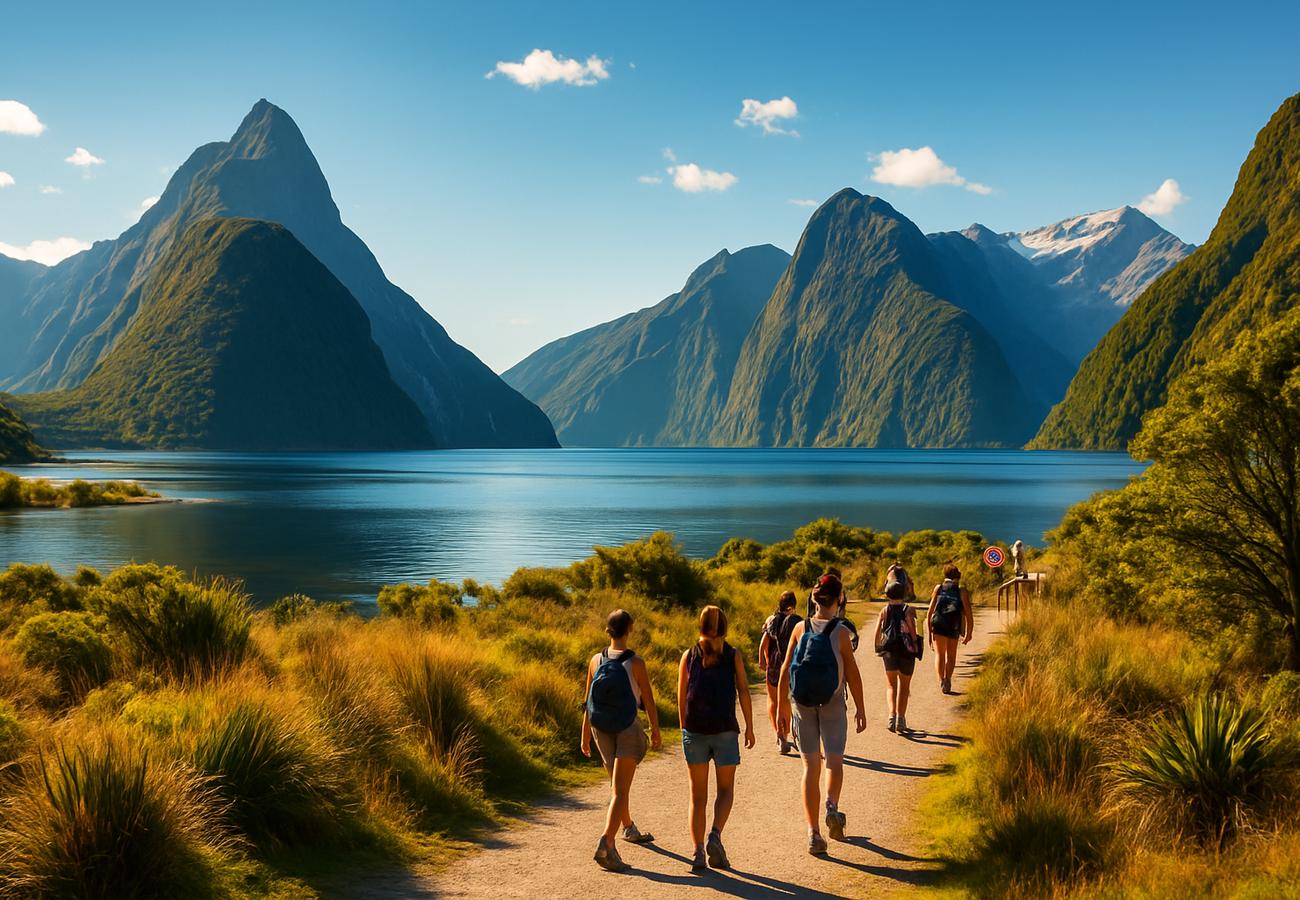
Image generated by AI
Quick Summary
- Revenue Projection: New Zealand’s new tourism charges are expected to generate approximately NZ$60 million annually.
- Reinvestment Focus: Funds will be directed toward conservation, biodiversity protection, and the maintenance of high-quality tourism infrastructure (tracks, huts, and heritage sites).
- Key Legislation: The Conservation Amendment Bill, introduced by Conservation Minister Tama Potaka, enables entry fees for high-demand conservation areas.
- Iconic Sites: The first phase of charges will apply to globally recognized locations including Milford Sound, Tongariro Alpine Crossing, and Cathedral Cove.
- Growth Driver: The policy addresses the increased environmental pressure from a surge in international arrivals, particularly from China and Australia.
- Infrastructure Support: Revenue will also fund rural infrastructure development and training programs for the local tourism workforce.
- Global Alignment: The model aligns New Zealand with international heritage sites like the Taj Mahal (India) and Machu Picchu (Peru).
- Source: New Zealand Ministry of Conservation and Department of Tourism reports as of May 7, 2026.
New Zealand has entered a new era of "sustainable tourism governance" with the official introduction of targeted entry fees for its most iconic natural landscapes. On May 7, 2026, the government unveiled a strategic plan to leverage the country's high-demand natural assets to secure long-term funding for conservation. Projected to raise NZ$60 million per year, the fees will be applied to "crown jewel" locations like Milford Sound and the Tongariro Alpine Crossing, ensuring that the economic impact of mass tourism is balanced by aggressive reinvestment in biodiversity and infrastructure. This legislative shift, facilitated by the Conservation Amendment Bill, is designed to protect the integrity of New Zealand’s unique ecosystems while maintaining the premium standard of its visitor services. By integrating digital fee-collection platforms and supporting rural employment, New Zealand is positioning itself as a global leader in eco-friendly tourism, ensuring that its natural wonders remain pristine and accessible for future generations.
New Zealand Iconic Site Tourism Fees: Revenue Projections and Asset Allocation
The following table summarizes the financial goals and strategic priorities of the 2026 tourism fee implementation.
| Category / Site | Projected Impact / Usage | Strategic Priority |
|---|---|---|
| Annual Revenue Target | NZ$60 Million | Sustainable Funding |
| Milford Sound | Integrated Eco-Fee | Habitat Preservation |
| Tongariro Crossing | High-Demand Management | Trail Maintenance |
| Cathedral Cove | Access & Safety Upkeep | Infrastructure Quality |
| Biodiversity Protection | Direct Grant Allocation | Endangered Species |
| Tourism Infrastructure | Maintenance of Huts & Tracks | World-Class Standards |
| Local Communities | Rural Infrastructure Development | Employment & Training |
| Digital Platforms | Unified Online Payment | Streamlined Experience |
Sustainable Funding: NZ$60 Million Annual Revenue Target for Conservation
The introduction of entry fees is a response to the "funding gap" in conservation:
- Conservation Reinvestment: The NZ$60 million annual projection will be used to offset the costs of managing high-traffic natural zones.
- Biodiversity Protection: A significant portion of the funds will be allocated to protecting New Zealand’s unique flora and fauna from the impacts of increased human footfall.
- Maintenance Backlog: The revenue will help address the maintenance of popular tourist tracks, huts, and heritage sites that have faced record stress in 2025.
The Conservation Amendment Bill: Targeted Fees for High-Demand Sites
The legislative framework ensures that the charges are targeted and proportionate:
- Tama Potaka Initiative: The bill allows for the introduction of entry fees at only a few select sites where the volume of visitors exceeds local capacity.
- Resource Management: By charging for access to "under pressure" sites, the government aims to manage visitor numbers more effectively and encourage exploration of lesser-known regions.
- Long-Term Strategy: This move is part of New Zealand’s 2030 vision to ensure the tourism sector contributes directly to environmental health.
Iconic Sites Identified: Milford Sound, Tongariro, and Cathedral Cove
The first phase of the program focuses on the country’s most vulnerable "must-see" locations:
- Milford Sound (Piopiotahi): As a globally recognized wonder, the Sound attracts millions; a dedicated fee will ensure the Fiordland National Park remains well-maintained.
- Tongariro Alpine Crossing: High demand for this trek has led to trail erosion; the fees will fund intensive track maintenance and safety services.
- Cathedral Cove: Coastal erosion and high visitor density make this a priority for sustainable funding to keep the site accessible and safe.
Reinvestment Strategy: Biodiversity, Infrastructure, and Local Employment
The economic benefits of the fees extend beyond the natural environment:
- Rural Infrastructure: Many iconic sites are in rural areas; the fees will fund improvements in local roads, signage, and facilities, boosting local economies.
- Workforce Training: Revenue will be used to fund training programs for tourism workers, ensuring high-quality, professional services for international guests.
- Enhanced Amenities: Travelers will see direct benefits through improved huts, clearer signage, and enhanced educational programs at visitor centers.
Global Context: Aligning New Zealand with International Heritage Models
New Zealand is following a proven global model for heritage management:
- International Benchmarks: The policy mirrors the successful models at India’s Taj Mahal and Peru’s Machu Picchu, where fees protect cultural and natural integrity.
- Sustainable Travel Trends: Modern travelers, particularly from China and Australia, have shown an increasing willingness to pay "green fees" for well-managed, eco-friendly experiences.
- Quality Assurance: By charging for access, New Zealand ensures that its tourism brand remains associated with quality, exclusivity, and environmental responsibility.
Digital Integration: Streamlining Fee Collection via Unified Platforms
The government is prioritizing a frictionless experience for international travelers:
- Digital Platforms: Fees will be integrated into unified digital platforms where tourists can pay online and simultaneously book guided tours and transportation.
- Simplified Access: This "one-stop-shop" approach aims to reduce administrative hurdles and enhance the overall visitor experience.
- Transparency: Real-time data on how the funds are being spent on conservation will be shared with travelers to build trust and encourage responsible behavior.
Conclusion: Protecting the Integrity of New Zealand’s Natural Assets
The May 7, 2026, announcement regarding New Zealand’s iconic site tourism fees confirms that the country is prioritizing environmental health over unmanaged growth. By projecting NZ$60 million in annual revenue and targeting "crown jewel" sites like Milford Sound, New Zealand is securing the future of its most valuable natural assets. This sustainable path forward ensures that the economic benefits of tourism are reinvested into the very landscapes that attract millions of visitors. As the global travel industry shifts toward eco-conscious models, New Zealand’s proactive legislative approach positions it as a forward-thinking destination that values its biodiversity as much as its economic vitality, ensuring its natural wonders remain a legacy for future generations.
FAQ: New Zealand Tourism Fees 2026
Which sites in New Zealand will require an entry fee? Initial iconic sites include Milford Sound, Tongariro Alpine Crossing, and Cathedral Cove.
How will the NZ$60 million in revenue be used? The funds will be reinvested into conservation, biodiversity protection, trail maintenance, and rural infrastructure.
When was this policy officially announced? The plans were detailed on May 7, 2026, following the introduction of the Conservation Amendment Bill.
Related New Zealand Tourism Reports
- Fiordland National Park Sustainable Management Plan 2026
- NZ Great Walks: Infrastructure and Funding Outlook 2026
- Sustainable Tourism in the Pacific: NZ and Australia Policy Comparison
Zealand Ministry of Conservation** and Tama Potaka advisories as of May 7, 2026.
Disclaimer
This article is for informational and educational purposes only. It does not constitute legal, financial, or professional advice. While we strive to provide accurate and up-to-date information, travel policies, regulations, and conditions change rapidly. Always verify information with official sources before making travel decisions. Nomad Lawyer makes no representations about the accuracy, reliability, completeness, or suitability of the information provided. Readers should consult qualified professionals for advice specific to their circumstances. The views expressed in this article are those of the author and do not necessarily reflect the views of Nomad Lawyer.
Kunal K Choudhary
Co-Founder & Contributor
A passionate traveller and tech enthusiast. Kunal contributes to the vision and growth of Nomad Lawyer, bringing fresh perspectives and driving the community forward.
Learn more about our team →