
New Zealand's $8 Billion Luxury Tourism Boom Reshapes Global Travel Market
New Zealand emerges as a premium global destination, with luxury tourism generating $8 billion annually and projections reaching $18 billion. High-value travel and experience-focused offerings are redefining the country's economic strategy.

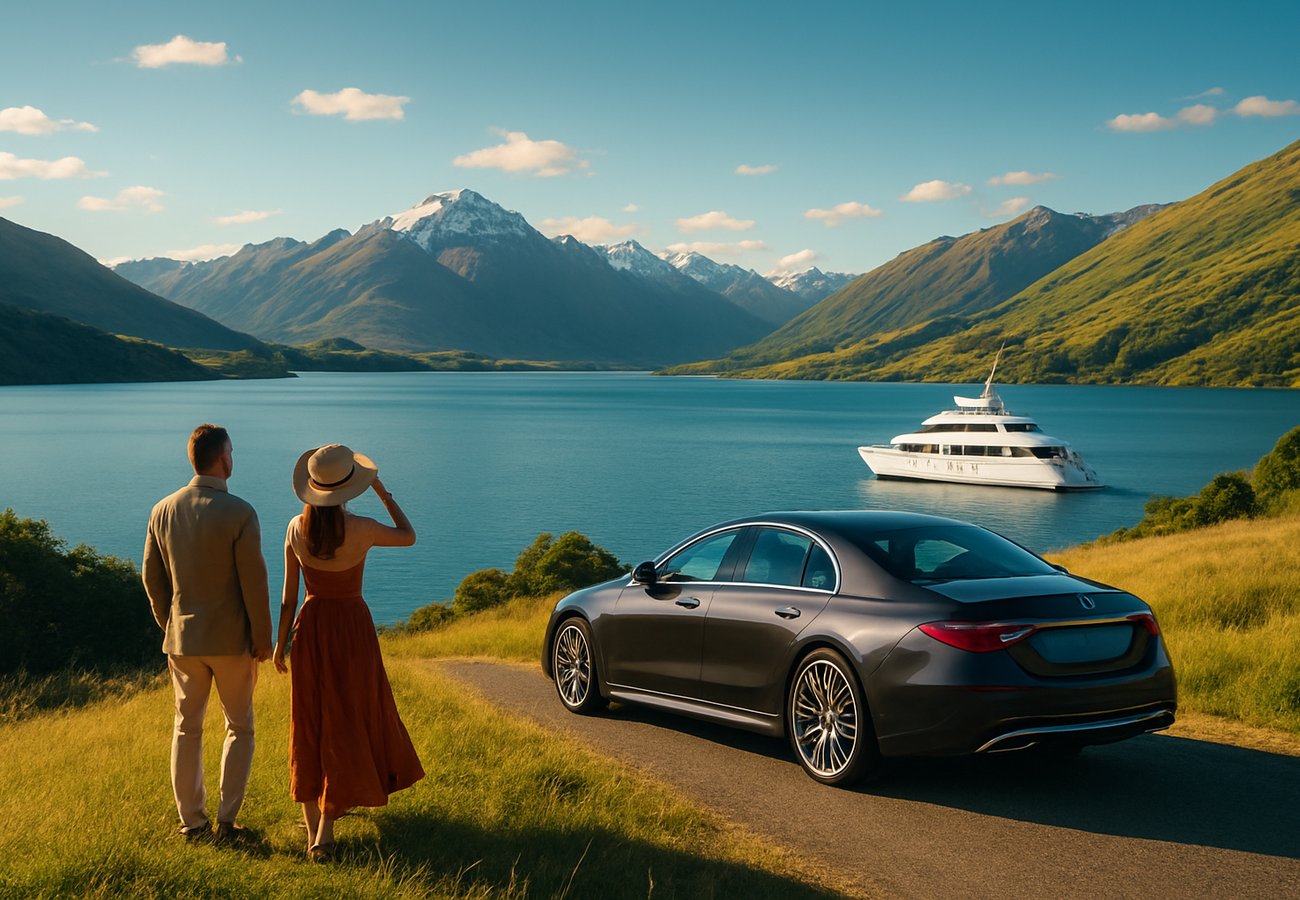
Image generated by AI
New Zealand has undergone a seismic shift in its tourism positioning, transforming itself from a volume-driven destination into a premium, high-value travel hub. The results? Stunning economic metrics that are reshaping how this island nation competes globally.
The luxury tourism sector generated more than $8 billion in revenue over the past year—a watershed moment that signals fundamental changes in both traveler behavior and New Zealand's strategic economic priorities.
The Luxury Tourism Revenue Explosion
What's driving this transformation? The answer lies in a universal travel truth: affluent global travelers are abandoning the "collect destinations" mentality in favor of meaningful, immersive experiences.
Reddit: "New Zealand isn't just about Hobbiton anymore. You're paying premium prices for authentic engagement with nature and personalized service." — r/travel
High-end visitors now demand exclusivity, environmental authenticity, and curated itineraries tailored to their specific interests. New Zealand's natural landscapes—alpine regions, fjords, pristine coastlines—have become the canvas for luxury providers to paint bespoke travel experiences.
The revenue breakdown tells a compelling story: luxury lodges, private guided adventures, wellness retreats, and experience-focused packages are commanding premium pricing that traditional tourism models simply cannot match. A single week-long guided expedition can now generate revenue equivalent to weeks of standard accommodation bookings.
Why Experience Beats Volume
The global tourism landscape has fundamentally shifted. Travelers are no longer asking, "How many countries can I visit?" Instead, they're asking: "What authentic experiences can I have?"
This pivot from quantity to quality has created an economic moat for destinations that can authentically deliver premium, personalized experiences. New Zealand possesses the natural assets—Milford Sound, the Southern Alps, geothermal wonders—but more importantly, the tourism infrastructure has evolved to match global luxury expectations.
High-end eco-lodges now operate in harmony with environmental conservation goals. Private travel services offer GPS-tracked helicopter experiences over untouched landscapes. Wellness retreats combine luxury accommodation with indigenous cultural engagement. Each offering commands price points that would have seemed impossible a decade ago.
Premium Positioning: The Strategic Gambit
New Zealand's government and tourism boards deliberately repositioned the country as a premium destination, moving away from budget-conscious backpacker branding. This strategic repositioning centered on three pillars:
Natural authenticity—leveraging world-class scenery as an irreplaceable asset. Safety and infrastructure—emphasizing sophisticated service standards that rival European luxury destinations. Experiential depth—moving beyond sightseeing into genuine immersion with landscape and culture.
The result? New Zealand now competes directly with Switzerland, Iceland, and the Maldives for high-spending international visitors—a market segment that generates significantly more per-person revenue than traditional tourism demographics.
The Numbers Point to Explosive Growth
Tourism economists are watching New Zealand closely, and the projections are bullish. Future forecasts suggest the luxury travel market could reach approximately $18 billion, nearly doubling the current $8 billion baseline.
This growth trajectory assumes several factors remain favorable: continued international arrivals, expansion of premium tourism infrastructure, and sustained consumer willingness to invest substantially in quality travel experiences. Check latest New Zealand tourism statistics for updated visitor data.
The forecasted expansion reflects confidence in long-term sector stability. Investment in high-end tourism services is accelerating, with new luxury properties announced regularly across both major islands.
Nature-Based Luxury: The Competitive Advantage
Here's what separates New Zealand from competing luxury destinations: authenticity cannot be manufactured. The landscape is genuinely spectacular. The wildlife encounters are genuinely unique. The environmental consciousness isn't marketing spin—it's embedded in the nation's values.
Luxury tourism providers have recognized this advantage and are doubling down on sustainable, nature-integrated experiences. High-end operators are obtaining conservation certifications, implementing carbon-neutral operations, and designing properties that enhance rather than dominate their environments.
A visitor paying premium rates for a Milford Sound experience knows they're investing in environmental stewardship. That alignment between luxury spending and conservation creates a virtuous economic cycle that supports long-term destination sustainability.
Economic Ripple Effects Across the Nation
The luxury tourism boom extends far beyond headline revenue figures. Job creation in hospitality, guiding, and ancillary services is accelerating. Regional development receives capital investment that wouldn't occur in a volume-based tourism model.
Tourism has transformed into a strategic pillar of New Zealand's broader economic framework, reducing reliance on traditional export sectors while creating high-value employment opportunities. Small towns and rural regions now benefit from luxury tourism infrastructure investments.
For legal considerations around tourism operations, visit Tourism New Zealand's regulatory guidelines for compliance information.
The Global Luxury Travel Landscape
New Zealand's ascendancy in the premium tourism market occurs within broader global trends favoring experience-focused, environmentally conscious travel. Affluent travelers increasingly scrutinize destination sustainability records and demand personalized, vetted experiences.
This trend favors destination nations that can authentically deliver on these expectations. New Zealand's combination of natural assets, sophisticated service infrastructure, and genuine commitment to environmental stewardship positions it ideally for capturing share of this expanding market segment.
The competitive positioning is clear: as global luxury travel continues fragmenting across dozens of aspirational destinations, New Zealand possesses genuine differentiation—something that cannot be easily replicated or superseded by emerging competitors.
What's Next for Premium Tourism in New Zealand
Investment momentum is accelerating. New luxury properties are in development. Tourism service providers are upskilling staff to match international luxury hospitality standards. Government incentives favor high-value tourism development over volume-based expansion.
The trajectory suggests New Zealand will solidify its position as a top-tier global luxury destination within the next 3-5 years, commanding premium positioning alongside established icons like Switzerland, the Maldives, and Patagonia.
This isn't just good news for tourism operators and hospitality workers. It represents economic transformation that benefits entire regions, attracts international capital investment, and creates sustainable, high-quality employment across both islands.
New Zealand isn't climbing the tourism rankings—it's redefining what premium travel actually means.
Related Travel Guides
Switzerland's Alpine Luxury Lodges Set New Hospitality Standards for Eco-Conscious Travelers
Iceland Tourism Reaches Record Heights as Premium Destination Marketing Drives Visitor Spending
Maldives Expands Overwater Villa Experiences Amid Luxury Travel Boom
Zealand travel. Currency exchange rates and pricing information may have changed since publication. Always consult official New Zealand government travel advisories before booking international travel.
Disclaimer
This article is for informational and educational purposes only. It does not constitute legal, financial, or professional advice. While we strive to provide accurate and up-to-date information, travel policies, regulations, and conditions change rapidly. Always verify information with official sources before making travel decisions. Nomad Lawyer makes no representations about the accuracy, reliability, completeness, or suitability of the information provided. Readers should consult qualified professionals for advice specific to their circumstances. The views expressed in this article are those of the author and do not necessarily reflect the views of Nomad Lawyer.
Kunal K Choudhary
Co-Founder & Contributor
A passionate traveller and tech enthusiast. Kunal contributes to the vision and growth of Nomad Lawyer, bringing fresh perspectives and driving the community forward.
Learn more about our team →