
Diplomacy Meets the Streets: Navigating New York City During the UN General Assembly and Gracie Mansion Summit

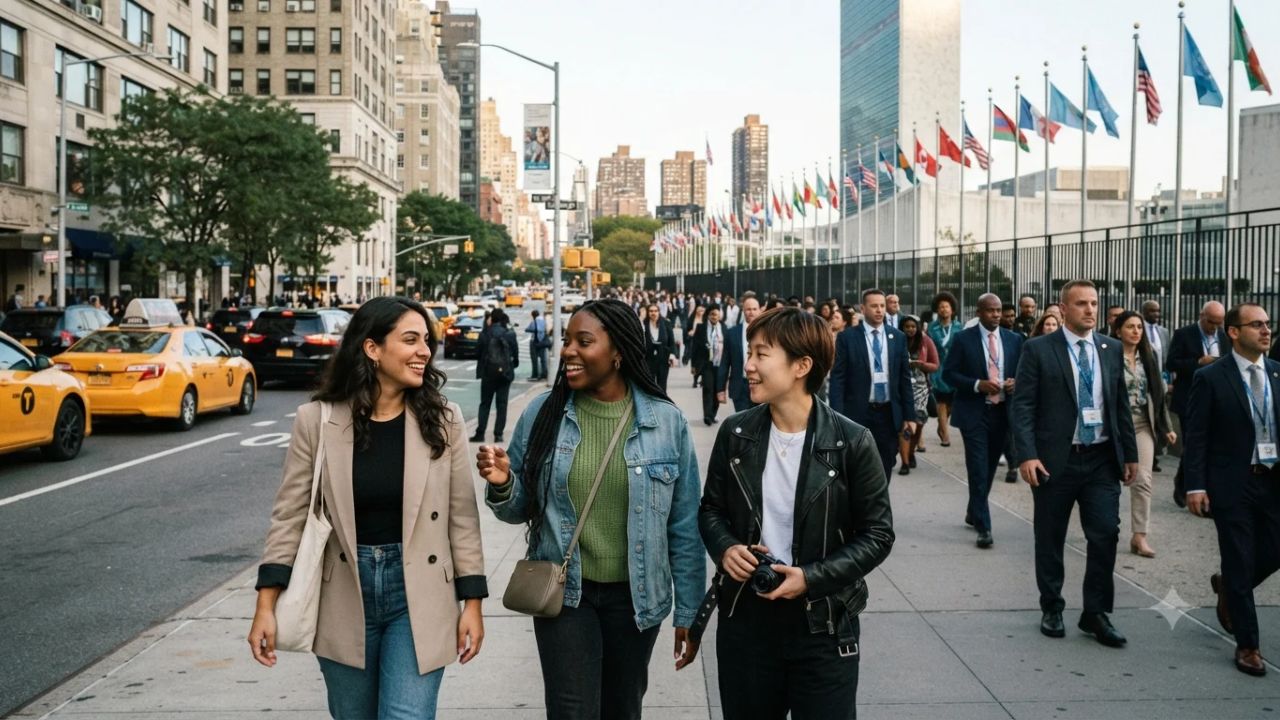
Every September, an eight-block stretch of First Avenue in Manhattan temporarily becomes the diplomatic nerve center of the planet, welcoming heads of state and official delegations from nearly 200 nations to the United Nations Headquarters. In 2026, this global gathering gains extraordinary domestic focus as high-level discussions convene at Gracie Mansion—the historic mayoral residence overlooking the East River since 1942—for a landmark meeting between President Donald Trump and New York City Mayor Zohran Mamdani. For curious travelers, this diplomatic convergence transforms Manhattan into an electric civic stage where international summitry unfolds alongside quintessential neighborhood life.
While motorcades and security zones redraw traffic patterns across Midtown East, experienced urban explorers know that UN General Assembly week provides one of the most culturally dynamic windows to experience the five boroughs. From public guided architecture tours through the United Nations Visitor Centre to peaceful riverside walks through Carl Schurz Park on the Upper East Side, New York demonstrates why civic tourism has become one of its most compelling cultural draws.
The Epicenter of Global Governance: First Avenue to the Upper East Side
The focal point of September's diplomatic influx anchors at the United Nations complex along the East River between 42nd and 48th Streets. Designed by an international board of architects including Oscar Niemeyer and Le Corbusier, the modernist Secretariat tower and General Assembly Hall symbolize postwar global cooperation. During UNGA sessions, the surrounding avenues buzz with international press corps, diplomatic security teams, and delegates representing virtually every language on earth.
North along the riverfront, the diplomatic spotlight extends into Yorkville and the Upper East Side surrounding Gracie Mansion. Positioned inside Carl Schurz Park at East 88th Street and East End Avenue, this 1799 federal-style wooden mansion has served as the official home of New York mayors for more than eight decades. The planned meeting between municipal leadership and the federal administration at this historic estate underscores how civic heritage, local governance, and global diplomacy intersect within residential Manhattan enclaves.
Beyond formal summit chambers, the influx of international visitors energizes hotels, restaurants, and cultural institutions throughout Manhattan. As promoted by NYC Tourism + Conventions, travelers can effortlessly pivot from witnessing global history along First Avenue to exploring world-class collections at Museum Mile, catch evening performances on Broadway, or wander the historic brownstone blocks of Harlem and the Upper West Side.
What Makes New York's Civic Tourism Distinct
Unlike purpose-built administrative capitals like Washington, D.C., Canberra, or Brasília, New York integrates global governance directly into a dense commercial and cultural metropolis. On any given afternoon during summit week, world leaders, international delegates, Wall Street executives, and local artists cross paths on the same city blocks.
This coexistence creates unique opportunities for cultural and historical exploration. Visitors can book specialized guided tours inside the UN General Assembly Hall, view historic peace murals by Brazilian master Candido Portinari, and explore the Security Council chamber before heading downtown to trace immigrant history across the Lower East Side, Chinatown, and Little Italy.
Neighborhood identities remain fiercely preserved throughout the city. While Midtown East navigates security perimeters, bohemian cafes in Greenwich Village, cast-iron art galleries in SoHo, and jazz clubs in Harlem operate with their signature creative independence. Walking through Carl Schurz Park offers sweeping vistas of the East River and Hell Gate, allowing travelers to enjoy quiet riverside breezes just steps from Gracie Mansion's fortified iron gates.
Visitor Insider Tips
Experiencing New York City during major international diplomatic gatherings requires smart logistical navigation, transport planning, and local awareness:
- Master the Subway and East River Ferry: Avoid yellow cabs, rideshares, and surface buses in Midtown East and the Upper East Side during UNGA week, where street closures create severe vehicular gridlock. Rely on the Metropolitan Transportation Authority (MTA) subway network—particularly the 4, 5, 6, and Q lines—or board the NYC Ferry along the East River for scenic, traffic-free transit.
- Reserve UN Guided Tours Months Ahead: Public access inside United Nations Headquarters is strictly regulated during official General Assembly sessions. Book your official guided architectural and art tours well in advance for dates immediately preceding or following summit week.
- Explore Carl Schurz Park and Yorkville: Walk the waterfront promenade of Carl Schurz Park to admire the historic exterior of Gracie Mansion. Afterwards, explore Yorkville's rich culinary roots, sampling traditional Hungarian pastries at Andre's Bakery or classic German fare on Second Avenue.
- Dine in the Outer Boroughs During Peak Evenings: Manhattan's high-end dining rooms fill rapidly with diplomatic delegations. Take the 7 train to Jackson Heights, Queens, for authentic Himalayan momos and Colombian arepas, or cross the Brooklyn Bridge to dine in DUMBO and Cobble Hill.
- Carry Official Government Photo Identification: Increased security presence across Midtown East means security checkpoints and bag inspections are common near First and Second Avenues. Keep a valid passport or state ID card handy when moving through designated security perimeters.
Cultural and Environmental Context
Hosting global summits like the UN General Assembly reinforces New York's enduring status as an open international sanctuary. The city's 8.3 million residents trace ancestry to over 150 nations, making the international diplomacy on display at the UN an organic reflection of the city's diverse ethnic neighborhoods.
At the same time, massive gatherings present complex municipal sustainability and congestion challenges. Moving thousands of delegates securely across Manhattan requires coordinated traffic management, rapid transit prioritization, and strict idling restrictions to minimize carbon emissions in high-density residential corridors.
New York's investment in green urban infrastructure—including expanded protected bike lanes, zero-emission electric buses, and extensive waterfront parks like Brooklyn Bridge Park and Hudson River Park—demonstrates how a global mega-city can balance major diplomatic operations with community livability. By utilizing public transit and supporting neighborhood-owned small businesses across all five boroughs, travelers help foster a sustainable and resilient local economy.
FAQ: Visiting New York City 2026
Can the general public visit the United Nations Headquarters during UNGA week?
Public guided tours pause during high-level General Assembly debate sessions; however, tours resume immediately following the summit and can be booked online via the official UN visitor portal.
Is Gracie Mansion open for interior public tours?
Gracie Mansion offers limited historic public tours on select weekdays by advance reservation, although exterior views across Carl Schurz Park are accessible year-round.
What is the best way to avoid traffic delays in Manhattan during summit week?
Ride the MTA subway system (tap-and-go with OMNY) or the NYC Ferry network to bypass street-level motorcade security holds and Midtown traffic jams.
Where can I find the best skyline views of the United Nations building?
Board the NYC Ferry Soundview or Astoria route, or visit Gantry Plaza State Park in Long Island City, Queens, for panoramic views of the UN Secretariat across the East River.
In New York, global diplomacy does not inhabit an ivory tower—it pulses directly through the subways, parks, and neighborhood streets of the world's most resilient city.
Related Travel Guides
Disclaimer
This article is for informational and educational purposes only. It does not constitute legal, financial, or professional advice. While we strive to provide accurate and up-to-date information, travel policies, regulations, and conditions change rapidly. Always verify information with official sources before making travel decisions. Nomad Lawyer makes no representations about the accuracy, reliability, completeness, or suitability of the information provided. Readers should consult qualified professionals for advice specific to their circumstances. The views expressed in this article are those of the author and do not necessarily reflect the views of Nomad Lawyer.
Raushan Kumar
Founder & Lead Developer
Full-stack developer with 11+ years of experience and a passionate traveller. Raushan built Nomad Lawyer from the ground up with a vision to create the best travel and law experience on the web.
Learn more about our team →