
KLM's A350-900 Fleet Strategy: A Regulatory Gamble in Europe's Tightening Noise Control Era
Breaking airline news and aviation industry updates for 2026.

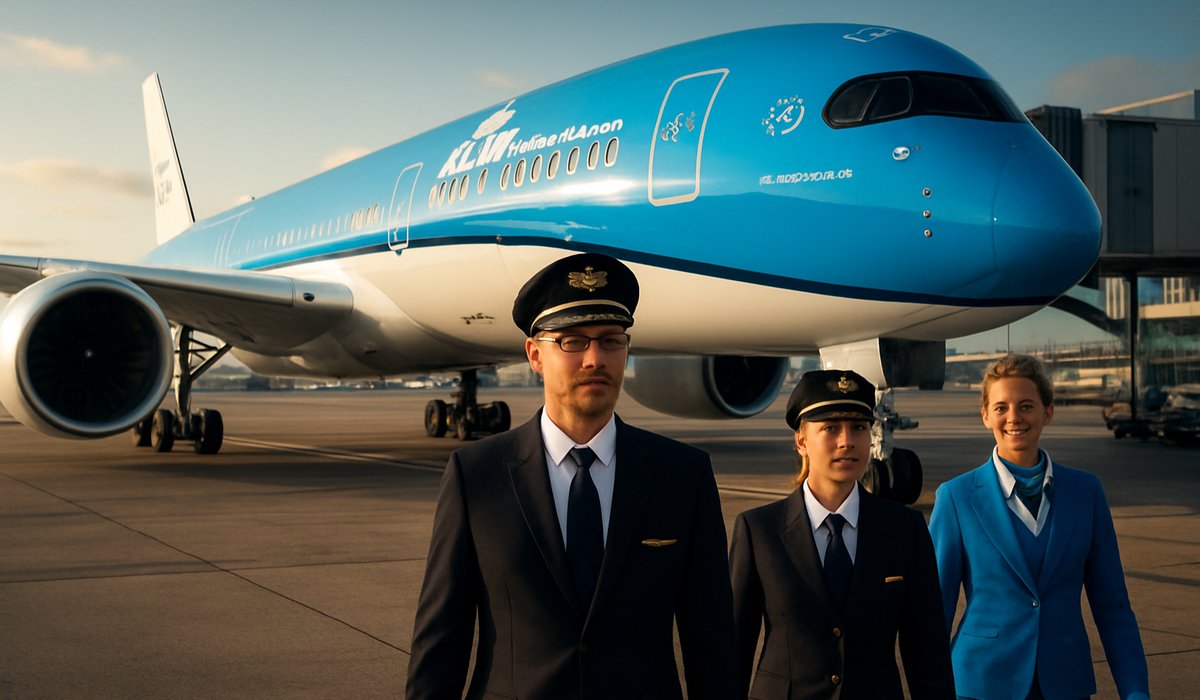
Image generated by AI
KLM's A350-900 Fleet Strategy: A Regulatory Gamble in Europe's Tightening Noise Control Era
As European airports impose stricter environmental standards, Dutch carrier bets on quiet aircraft technology to secure future operations
The Regulatory Pressure Behind KLM's Fleet Modernization
KLM Royal Dutch Airlines' strategic pivot toward the Airbus A350-900 represents far more than a routine fleet upgrade—it signals a carrier grappling with an existential challenge posed by increasingly restrictive environmental regulations. The Dutch airline's investment in this technologically advanced aircraft underscores a critical shift in aviation strategy: airlines must now balance operational efficiency with stringent noise compliance requirements or risk losing valuable landing slots at congested European hubs.
The catalyst lies primarily at Amsterdam Airport Schiphol, one of Europe's most operationally constrained gateways. The airport's escalating noise regulations threaten to curtail operations for carriers operating older, louder aircraft models. For KLM, which generates a substantial portion of its revenue through Schiphol connections and intercontinental flights, regulatory compliance has become a matter of competitive survival rather than environmental virtue signaling.
Why the A350-900 Matters
The Airbus A350-900 represents a generational leap in noise reduction technology. The aircraft's advanced engines and aerodynamic design produce significantly lower decibel levels than the Boeing 777 and Airbus A330 variants that currently dominate long-haul fleets. This capability directly translates to operational flexibility—KLM can maintain or expand Schiphol operations even as the airport tightens noise ceilings.
Unlike carriers with access to multiple hub airports, KLM's dependence on Schiphol creates unique vulnerability. The Dutch carrier cannot easily relocate operations to alternative bases, making regulatory compliance a non-negotiable investment priority.
Broader Industry Implications
KLM's strategy reflects a widening divergence in European aviation. While U.S. carriers face less stringent noise regulations, European airlines must navigate a patchwork of increasingly aggressive environmental standards across major airports—London, Paris, Frankfurt, and Zurich all impose noise-based restrictions.
The financial implications are substantial. Airlines investing in older, louder fleets risk being priced out of premium European routes through noise-based landing fees and operational restrictions. Conversely, carriers like KLM that invest in quiet-aircraft technology secure long-term runway access and operational continuity.
Looking Ahead
The A350-900 deployment signals that regulatory compliance, not just fuel efficiency or capacity management, now drives fleet investment decisions. As Europe's environmental agenda intensifies, expect similar fleet modernization strategies across the continent's major carriers—particularly those dependent on noise-restricted airports.
For KLM, the A350-900 gamble represents a calculated bet that regulatory tightening will accelerate, making early adoption a competitive advantage rather than an optional expense.
FAQ: KLM A350-900 and Aviation Regulations
How do noise regulations impact airline operations? Noise restrictions limit flight frequencies, impose additional landing fees, and can restrict certain aircraft types from operating during specific hours. European airports use noise caps to manage environmental impact while maintaining capacity.
Why is the Airbus A350-900 quieter than older aircraft? The A350-900 features advanced Rolls-Royce engines with noise-dampening technology and optimized wing design, producing approximately 50% less noise than 1990s-generation widebody aircraft.
Can airlines operate at Schiphol without quiet aircraft? Increasingly difficult. Amsterdam Airport Schiphol has progressively tightened noise quotas, incentivizing airlines to retire older aircraft or face rising operational costs and restricted flight windows.
Will other European airlines follow KLM's A350-900 strategy? Likely. Expect similar fleet modernization across carriers serving noise-restricted airports, particularly Lufthansa Group and Air France-KLM competitors.
How much do A350-900 aircraft cost compared to replacing noise-restricted operations? While A350-900s cost $445+ million per aircraft, losing access to premium European routes costs significantly more long-term, making the investment economically rational for hub-dependent carriers.
Related Travel Guides
Flight Delay Compensation Guide 2026
Understanding Airline Route Changes
Airport Security Process Updated (2026)
External Resources
Disclaimer
This article is for informational and educational purposes only. It does not constitute legal, financial, or professional advice. While we strive to provide accurate and up-to-date information, travel policies, regulations, and conditions change rapidly. Always verify information with official sources before making travel decisions. Nomad Lawyer makes no representations about the accuracy, reliability, completeness, or suitability of the information provided. Readers should consult qualified professionals for advice specific to their circumstances. The views expressed in this article are those of the author and do not necessarily reflect the views of Nomad Lawyer.
Raushan Kumar
Founder & Lead Developer
Full-stack developer with 11+ years of experience and a passionate traveller. Raushan built Nomad Lawyer from the ground up with a vision to create the best travel and law experience on the web.
Learn more about our team →