
Nepal Advances Tourism Strategy Integrating Himalayan Conservation, Digital AI Tools, and Disaster Resilience

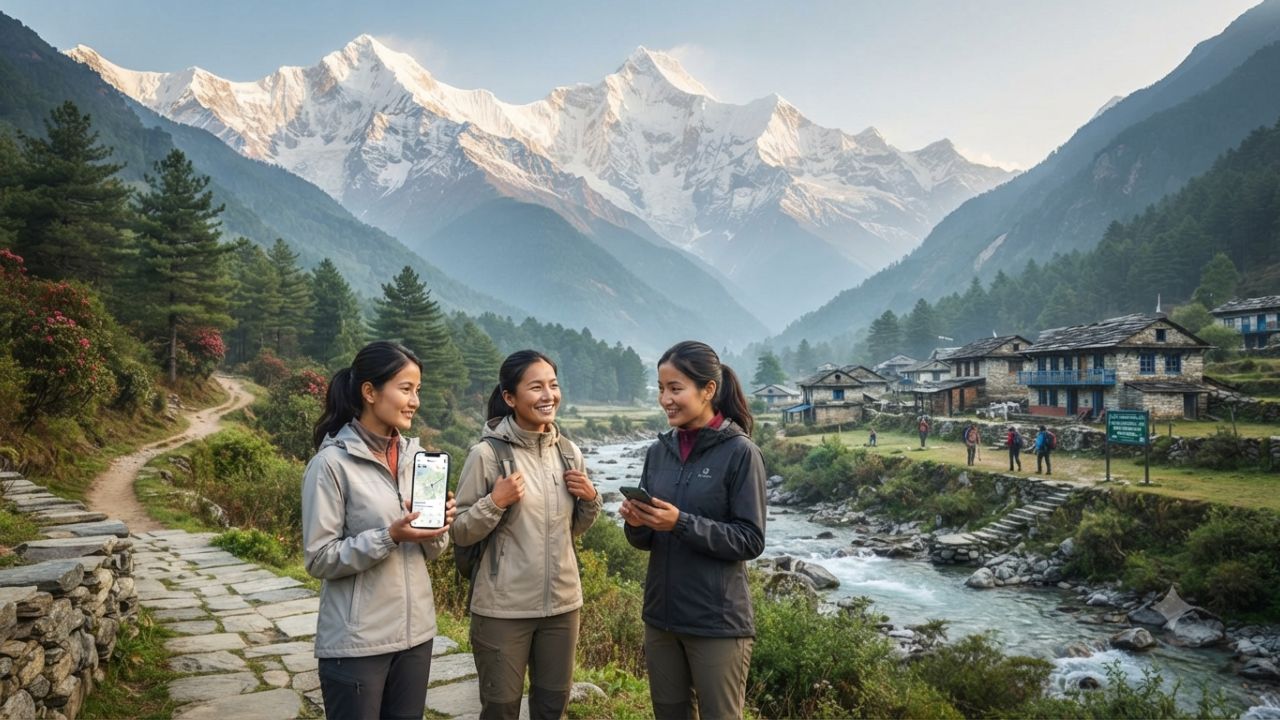
Nepal's 2026 tourism growth strategy integrates Himalayan environmental conservation, emergency disaster management, and AI-driven digital visitor services.
Nepal has launched an integrated national tourism strategy focused on Himalayan environmental conservation, digital transformation, inter-ministerial coordination, and emergency disaster resilience. Marked during the 47th World Tourism Day events, the policy framework adapts the country's travel sector to emerging climate risks, expands rural village tourism beyond traditional trekking hubs, and deploys artificial intelligence for real-time visitor communications.
Nepal National Tourism Strategy and Key Pillars
[KATHMANDU, October 4, 2026] — Nepal's Ministry of Culture, Tourism and Civil Aviation, alongside private sector associations and environmental agencies, has established a multi-sectoral governance model for tourism. Recognizing that mountain tourism depends directly on road infrastructure, environmental conservation, local governance, and rapid emergency response, the updated framework establishes dedicated inter-agency protocols to manage mountain travel operations.
| Strategic Pillar | Core Focus & Policy Mechanism | Target Operational Impact |
|---|---|---|
| Inter-Ministerial Governance | Shared mandate across transport, environment, home affairs, and local administration | Accelerates infrastructure repair and coordinates policy across government bodies. |
| Himalayan Conservation | Environmental protection across river basins and sensitive mountain ecosystems | Protects Langtang, Annapurna, and Everest watersheds while expanding sustainable trekking. |
| Disaster Emergency Protocols | Rapid response framework following August 26, 2026 Bhote Koshi flash floods | Deploys dedicated airport help desks and real-time route verification updates. |
| Digital Agenda & AI Tools | "Digital Agenda and AI to Redesign Tourism" initiative | Integrates AI-driven route mapping, weather alerts, and digital storytelling platforms. |
| Rural Destination Villages | "Destination Villages of the Year" recognition scheme | Diverts visitor spending into rural communities and preserves local cultural heritage. |
| Private Sector Collaboration | Structured consultative feedback loops with trekking agencies & hoteliers | Addresses operational bottlenecks and streamlines tourist entry procedures. |
Disaster Management and Destination Isolation Protocols
The necessity of structured emergency coordination became evident following severe flash flooding on August 26, 2026, which impacted the Bhote Koshi and Trishuli river corridors. The natural event caused localized damage to access roads, bridges, and tourism facilities across the Rasuwa and Bhote Koshi districts.
In response, national authorities established dedicated emergency tourism desks in Kathmandu and at both domestic and international terminals of Tribhuvan International Airport (TIA). These units collect verified field data, assist stranded travelers, and communicate real-time route accessibility.
Nepal Destination Status Post-August 2026 Floods:
• Fully Operational & Accessible: Kathmandu, Pokhara, Chitwan, Lumbini, Annapurna Region, Everest Region
• Active Recovery & Infrastructure Rebuild: Rasuwa–Bhote Koshi Corridor, Trishuli River Zone
By issuing granular, region-specific travel advisories, tourism authorities prevented localized infrastructure damage in the Bhote Koshi area from disrupting traveler confidence across unaffected premier destinations like Pokhara and the Everest trekking circuit.
Himalayan Watershed Conservation and Eco-Tourism Expansion
Mountain conservation forms a core component of Nepal's long-term economic planning. The Himalayan river network supplies water and hydro-power to millions across South Asia, making trail preservation and waste management critical to both local communities and international tourism appeal.
Special management focus is being directed toward sensitive ecological corridors:
- Langtang National Park: Integrating river corridor conservation with high-altitude trekking trails and alpine wildlife protection.
- Trishuli River Corridor: Combining white-water rafting safety standards with riverbed habitat preservation.
- Annapurna & Everest Conservation Areas: Regulating lodge development, trail waste management, and community-led forest protection.
Digital Transformation: AI Tools and Real-Time Visitor Communication
Under the theme "Digital Agenda and AI to Redesign Tourism," Nepal is deploying digital infrastructure to modernize visitor services and emergency management:
- Real-Time Digital Safety Alerts: Mobile-compatible digital advisories provide trekkers with live updates on weather conditions, landslide risks, trail blockages, and alternative detour routes.
- Artificial Intelligence Application: AI analytics assist tourism boards in tracking international arrival trends, optimizing digital marketing content, and automating multilingual visitor inquiries.
- Verified Information Distribution: Centralized digital portals prevent the spread of unverified travel rumors during regional weather events, ensuring accurate safety reporting for international tour operators.
Rural Community Empowerment: Destination Villages Scheme
To prevent over-tourism along concentrated trekking arteries and distribute economic benefits into rural hill communities, Nepal recognized three rural communities as "Destination Villages of the Year" during World Tourism Day celebrations.
The initiative directs visitor expenditure directly into village homestays, local guiding services, traditional handicraft production, and organic agriculture. By linking tourism revenue directly to cultural preservation, the scheme supports the survival of ethnic heritage, traditional architecture, and indigenous festivals across Nepal's mid-hills.
Related Travel Guides
Canada Tourism Revenue Surge 2026: Nova Scotia, Ontario, and Provinces Track Record Economic Growth
Canada and Europe Align Digital Payments and Real-Time Travel Transactions
Disclaimer
This article is for informational and educational purposes only. It does not constitute legal, financial, or professional advice. While we strive to provide accurate and up-to-date information, travel policies, regulations, and conditions change rapidly. Always verify information with official sources before making travel decisions. Nomad Lawyer makes no representations about the accuracy, reliability, completeness, or suitability of the information provided. Readers should consult qualified professionals for advice specific to their circumstances. The views expressed in this article are those of the author and do not necessarily reflect the views of Nomad Lawyer.
Raushan Kumar
Founder & Lead Developer
Full-stack developer with 11+ years of experience and a passionate traveller. Raushan built Nomad Lawyer from the ground up with a vision to create the best travel and law experience on the web.
Learn more about our team →