
Nepal Bhotekoshi Flash Floods Halt Treks as Pakistan Sends Aid

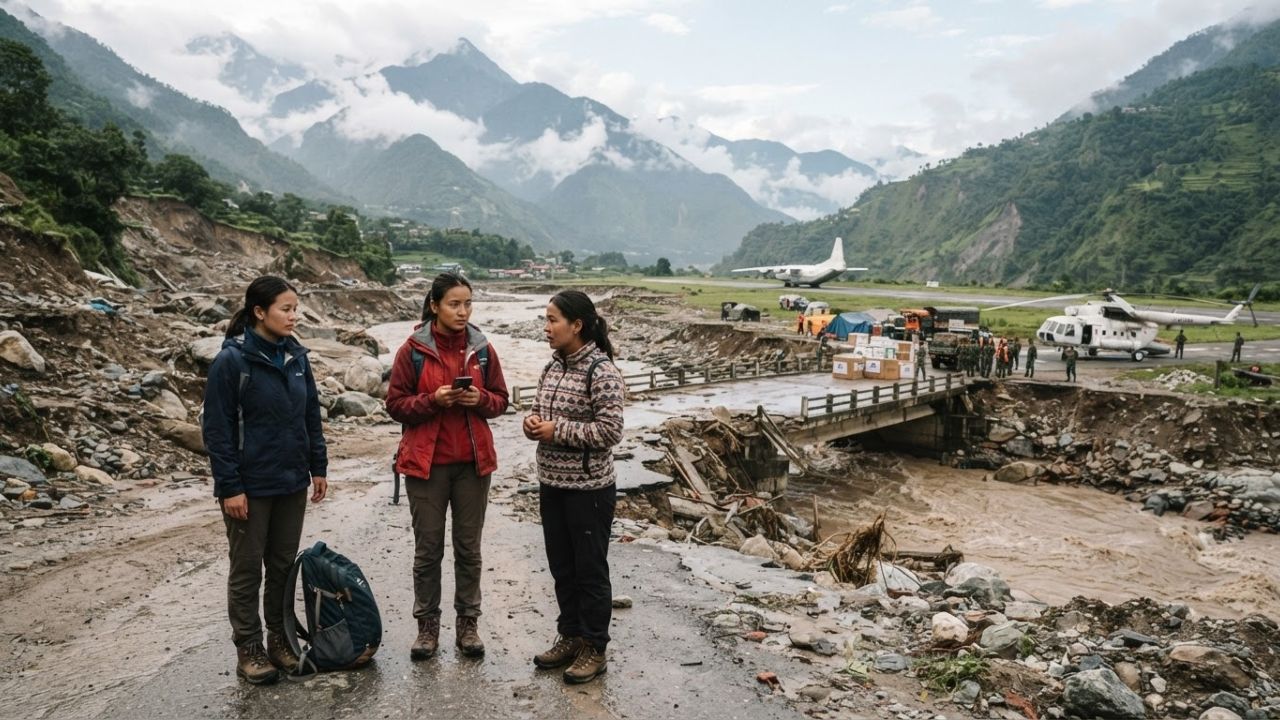
Catastrophic flash floods and cascading debris flows triggered by a high-altitude ice-rock avalanche along the northern border have devastated central and northern Nepal, severing transit along the Bhotekoshi River corridor and prompting immediate travel closures across primary Himalayan trekking zones. As emergency evacuation operations scramble to reach stranded international and domestic travelers cut off by washed-out mountain roads, the government of Pakistan has airlifted 100 tonnes of critical humanitarian relief goods from Islamabad to Kathmandu to assist search, rescue, and regional recovery efforts.
The sudden deluge swept downstream with violent force, destroying key bridges, collapsing arterial mountain highways, and knocking out electrical grids and telecommunication towers across vulnerable mountain settlements. Thousands of casualties have been reported and numerous individuals remain unaccounted for, stalling the autumn tourism season and prompting diplomatic missions and the Nepal Tourism Board (NTB) to issue urgent safety warnings advising against all non-essential travel to affected northern districts.
The Local Trend Revealed: Glacial Outbursts and Highland Transport Collapse
The disaster along the Bhotekoshi River highlights the severe operational challenges facing remote Himalayan transit corridors during extreme weather events:
- Origin of the Cataclysm: The flash flood originated from a massive ice-rock avalanche near the border region, which displaced glacial meltwater and mountain sediments into the headwaters of the Bhotekoshi River. The resulting surge tore through narrow gorges, obliterating riverside lodges, trekking paths, and vehicular bridges.
- Severe Disruption to Trekking Circuits: Key trails and road links connecting Kathmandu with the northern border regions and popular trekking valleys have been severed. Tour operators have suspended scheduled expeditions, while the Department of Tourism and the Trekking Agencies' Association of Nepal (TAAN) have enacted emergency protocols to evacuate stranded tourists via military and chartered helicopters.
- International Relief Airlift: In an immediate cross-border humanitarian response, Pakistan’s National Disaster Management Authority (NDMA) mobilized a chartered cargo flight from Islamabad International Airport to Tribhuvan International Airport in Kathmandu, delivering 100 tonnes of emergency relief materials, medical supplies, and shelter equipment to Nepalese disaster management authorities.
- Domestic Flight Operations Diverted: Commercial air traffic across regional airfields has experienced rolling delays and temporary cancellations as aviation authorities prioritize emergency search-and-rescue flights, reconnaissance sorties, and humanitarian supply deliveries into highland airstrips.
| Disaster Event Parameter | Operational Impact & Emergency Response |
|---|---|
| Primary Trigger | High-altitude ice-rock avalanche causing catastrophic debris torrents |
| Impacted River Corridor | Bhotekoshi River, Northern and Central Nepal |
| Infrastructure Damage | Highway bridges, mountain roadways, power grids, mobile towers |
| Tourism Impact | Trekking routes closed, national park permits suspended, expeditions halted |
| International Aid Consignment | 100 tonnes of relief supplies dispatched by Pakistan from Islamabad |
| Aviation Status | Commercial regional routes delayed; rescue airlifts prioritized at Kathmandu |
| Official Travel Advisory | All non-essential travel to northern/central Bhotekoshi districts strictly avoided |
Cultural & Environmental Value: Himalayan Fragility and Community Solidarity
The catastrophe draws urgent attention to the environmental vulnerability of the Himalayan cryosphere and the resilience of its mountain communities:
- Climate-Induced Mountain Hazards: Rising temperatures across the Hindu Kush Himalaya are destabilizing permafrost and glacial lakes, increasing the frequency of Glacial Lake Outburst Floods (GLOFs). Conservation bodies and the International Centre for Integrated Mountain Development (ICIMOD) urge that infrastructure rebuilding incorporate climate-resilient suspension bridges and reinforced retaining embankments.
- Protecting Indigenous Mountain Livelihoods: Local Sherpa, Tamang, and Newar communities depend heavily on seasonal trekking revenue. Teahouse operators, independent porters, and climbing guides in affected northern districts face acute financial distress. International travelers can support these families by contributing to reputable local mountain welfare funds and postponing rather than canceling future journeys.
- Cultural Reverence in Times of Crisis: In Himalayan culture, rivers and mountains are revered as sacred living deities. As rescue and mourning proceed, visitors in unaffected hubs like Kathmandu and Pokhara should maintain cultural sensitivity, avoid intrusive photography at disaster staging areas, and respect traditional funeral ceremonies at sacred river ghats like Pashupatinath.
Visitor Insider Tips: Essential Safety and Contingency Planning
- Heed Official Travel Advisories: Strictly cancel or postpone any itineraries routed through the Bhotekoshi valley, Sindhupalchok district, or connecting border crossings until official structural clearance is announced by the National Disaster Risk Reduction and Management Authority (NDRRMA).
- Emergency Hotlines and Registration: If you or traveling companions are in Nepal, immediately register your status with your home embassy and the Tourist Police Nepal 24-hour emergency hotline by dialing 1144 (from a local SIM) or contacting the Nepal Tourism Board Crisis Cell.
- Alternative Safe Cultural Destinations: For travelers currently based in Kathmandu, remain within safe urban districts. Explore UNESCO World Heritage sites situated safely away from river flood zones, including Patan Durbar Square, the sacred stupas of Boudhanath and Swayambhunath, and the artistic craft workshops of Bhaktapur.
- Carry Independent Satellite Communications: When trekking in high-altitude zones in Nepal, do not rely solely on cellular networks. Carry a dedicated satellite communicator (such as Garmin inReach or ZOLEO) equipped with active two-way SOS messaging and GPS tracking.
- Savor Nourishing Local Sustenance: In cool mountain weather and uncertain conditions, stick to wholesome traditional Himalayan fare: hot steamed vegetable or chicken momos with roasted sesame-tomato chutney, hearty bowls of Tibetan thukpa (noodle soup with mountain herbs), and continuous cups of warming ginger-lemon-honey tea.
Tourism Outlook for the Himalayan Region
While catastrophic flooding delivers a severe near-term blow to Nepal's tourism economy, the swift mobilization of international aid and rapid multi-agency rescue protocols demonstrate the country’s crisis response capabilities. By investing in satellite-linked early-warning sensors and climate-resilient engineering along vital transit valleys, Nepal will safeguard its mountain communities and restore the trails that draw global explorers to the roof of the world.
Related Travel Guides
Disclaimer
This article is for informational and educational purposes only. It does not constitute legal, financial, or professional advice. While we strive to provide accurate and up-to-date information, travel policies, regulations, and conditions change rapidly. Always verify information with official sources before making travel decisions. Nomad Lawyer makes no representations about the accuracy, reliability, completeness, or suitability of the information provided. Readers should consult qualified professionals for advice specific to their circumstances. The views expressed in this article are those of the author and do not necessarily reflect the views of Nomad Lawyer.
Raushan Kumar
Founder & Lead Developer
Full-stack developer with 11+ years of experience and a passionate traveller. Raushan built Nomad Lawyer from the ground up with a vision to create the best travel and law experience on the web.
Learn more about our team →